

30 seconds summary
- Dining out with your dog can be easy and fun if you plan it like a mini training trip. Pick a truly dog-friendly patio with space and shade, and go at off-peak times for fewer distractions. Before you arrive, give your pup a walk and a potty break, then bring a simple “patio kit”: leash, water bowl, treats, and a mat to help them settle.
- At the table, keep your dog tucked out of walkways, reward calm behavior, and don’t let them wander up to other diners.
- Watch for heat, noise, and food hazards, and be ready to leave early if your dog gets overwhelmed. With short, positive practice trips, even for long coat german shepherd puppies, your furry friend can become a relaxed, polite patio companion.
Dining out with your dog can be one of life’s small joys: sunshine on a patio, a clink of ice in your drink, and your best buddy snoozing at your feet while you steal a quiet moment together. It can also go sideways fast—barking at the server, tangled leashes, nervous pacing, or an “oops” water-bowl spill that turns into a tiny slip-and-slide. The good news: with a little planning and the right etiquette, eating out with your furry friend can be genuinely relaxing for everyone around you.
Here’s how to turn “let’s bring the dog” into a smooth, happy outing.
Start with the right expectations
First, it helps to think of dining out as a training field trip, not just a meal. Even well-behaved dogs can struggle with the smells, clattering dishes, strangers, and other dogs. Plan for short, low-pressure outings at first—coffee, a quick snack, or an early lunch—before you attempt a long brunch during peak weekend chaos.
Also, remember: “pet-friendly” usually means dogs are welcome in specific areas (often patios), and rules vary by city, county, and restaurant. Your goal is to be the kind of guest who makes restaurants want to keep allowing dogs.
Choose the right restaurant (and the right time)
Not all patios are created equal. A dog-friendly patio with wide aisles, shade, and space between tables is very different from a cramped sidewalk setup where your dog is basically in the flow of foot traffic.
When you’re picking a spot, look for:
- Outdoor seating that’s clearly dog-welcoming (not just “technically outside”).
- Room to tuck your dog out of the aisle so servers aren’t stepping over tails.
- Shade and airflow, especially in warm weather.
- Lower noise levels if your dog is easily startled.
- A predictable environment (some patios have live music, heaters that click on suddenly, or lots of scooters and strollers passing by).
Timing matters, too. Go during off-peak hours for your first few outings, mid-afternoon, early dinner, or weekday mornings. Less crowding means more space and fewer surprises.
Confirm the rules before you arrive
A quick call (or checking the restaurant’s website/social pages) can save you an awkward turn-around. Ask:
- Are dogs allowed on the patio?
- Do you have a specific entrance to use?
- Are water bowls provided?
- Are there any restrictions (size, number of dogs, leash length, etc.)?
Also, be mindful of the difference between service animals and pets. Service animals have legal access to indoor areas in many places; pet dogs typically do not. If the restaurant says “patio only,” respect it, don’t argue with staff who are following policy.
Prep your dog before the meal
The best dining companion is a dog who arrives calm. That usually means meeting a few needs first:
- Exercise: A brisk walk or play session helps burn off extra energy.
- Potty break: Always give your dog a chance to go right before you sit down.
- Hydration: Offer water beforehand, especially on hot days.
If your dog is young, excitable, or still learning manners, yes, even adorable german shepherd puppies, start small. Practice settling on a mat at home, then try a quiet outdoor café for 15 minutes before attempting a full meal.
Pack a simple “patio kit”
You don’t need to bring a suitcase, but a few items can make a big difference:
- Standard leash (4–6 feet is ideal; avoid retractables in tight spaces)
- Portable water bowl (or a collapsible one)
- High-value treats for reinforcing calm behavior
- A chew or lick treat (like a safe chew or a lick mat) to encourage settling
- A small mat or towel for your dog to lie on (gives them a “job” and a boundary)
- Waste bags (always)
- Wet wipes (for muddy paws or unexpected messes)
Pro tip: bring something that keeps your dog occupied quietly. A dog who has a calm “project” is much less likely to stare down other diners or demand attention.
Make a good first impression at the table
When you arrive, aim for a setup that keeps pathways clear:
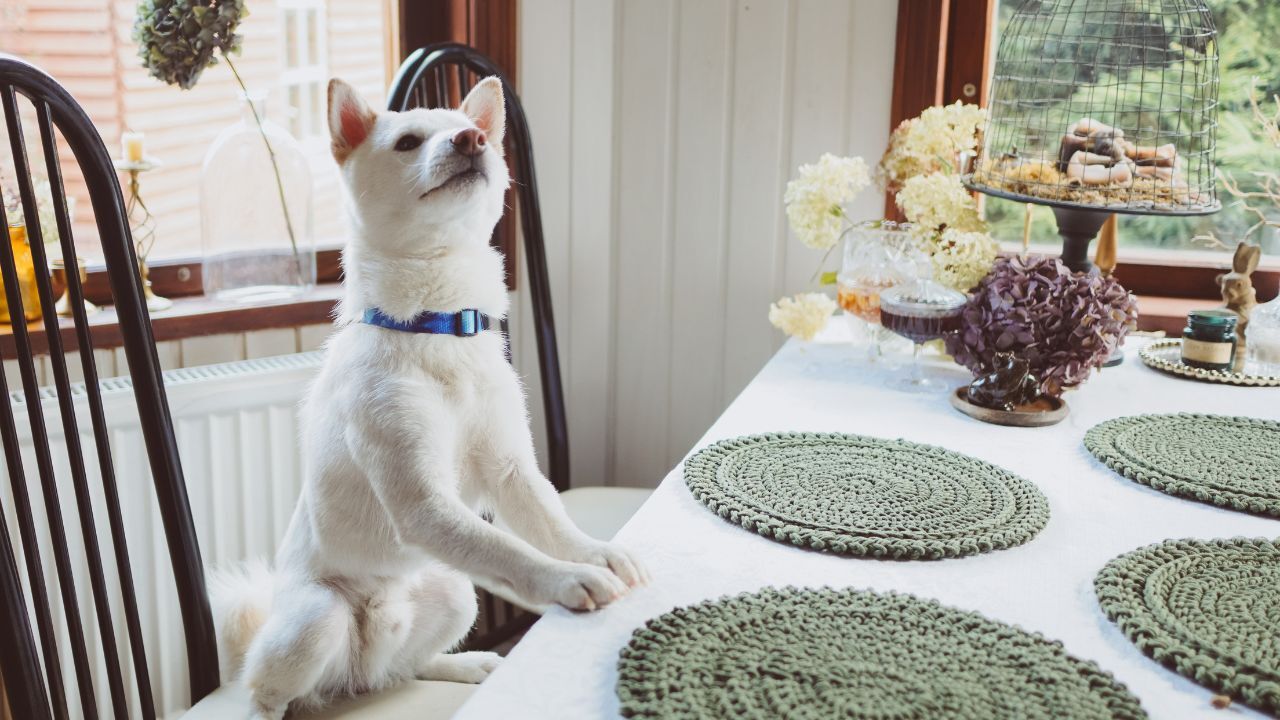
- Place your dog under the table or close to your chair, not stretched across walkways.
- Keep the leash short but loose, no tension, no tripping hazards.
- Ask for a table on the edge of the patio if your dog is nervous around foot traffic.
If your dog is greeting everyone with enthusiasm, don’t rely on “they’re friendly!” Friendly can still be disruptive. Instead, use treats to reward sitting calmly and keeping four paws to themselves.
Practice “settle” like it’s the main course
The skill that makes dining out possible is the ability to do… nothing. That’s hard for many dogs.
A simple approach:
- Give your dog their mat/towel.
- Reward when they lie down.
- Sprinkle treats slowly over time for staying down.
- If they pop up, guide them back down calmly and reward them again.
You’re teaching your dog that the patio is a place where calmness pays.
Follow restaurant and public etiquette
Dining out with a dog is a shared space situation. A few rules help everyone:
- Don’t let your dog approach other tables without permission.
- Avoid feeding from the table (it can create begging habits and bothers nearby diners).
- Keep barking and whining in check, if it starts, address it early.
- Don’t place your dog on chairs or tables (even if you’ve seen it online).
- Be cautious with “dog menus”: Some places offer pet treats, but check ingredients and portion size.
If your dog has an accident, alert staff right away and clean up thoroughly. It’s not fun, but handling it promptly and politely goes a long way.
Safety and comfort: heat, cold, and hazards
Outdoor dining can expose your dog to things you don’t notice as a human.
Heat: Patios can be deceptively hot. Signs of overheating include heavy panting, drooling, bright red gums, and restlessness. Choose shade, offer water, and leave if your dog seems uncomfortable.
Cold: In chilly weather, small dogs and short-coated dogs can get cold quickly. Bring a layer if needed, and don’t park your dog next to heaters that might be too hot or startling when they ignite.
Food hazards: Keep your dog away from:
- Grapes/raisins, onions, garlic
- Chocolate
- Alcohol and caffeinated drinks
- Cooked bones
- Fatty leftovers that can trigger stomach upset
Also watch the ground. Patios can have dropped skewers, chicken bones, and broken glass.
Be considerate of people who aren’t “dog people”
Not everyone wants a surprise nose in their lap while they eat. Some people have allergies, fears, or simply don’t enjoy dogs near food.
The kindest approach is simple:
- Keep your dog close.
- Don’t assume consent for greetings.
- If someone nearby seems uncomfortable, create space or ask to move.
Your dog doesn’t need to meet everyone to have a good time.
Know when to call it
A successful outing isn’t measured by finishing dessert. It’s measured by your dog staying reasonably calm and comfortable.
End the meal early if you see:
- Persistent barking or lunging
- Trembling, tucked tail, or “shut down” behavior
- Overheating signs
- Nonstop pacing or inability to settle
Leaving before things escalate is a win. You’re protecting your dog’s emotional experience and maintaining good relationships with restaurants.
Make it a routine, not a rare event
Dogs get better at dining out through repetition. If you only bring your dog once every three months to a packed patio, it’s going to feel like a huge event. But short, frequent, calm trips build familiarity.
Try a progression:
- Walk past patios and reward calmness.
- Sit briefly with a drink.
- Build up to appetizers.
- Work up to full meals at busier times.
Consistency turns novelty into normal.
Conclusion
Dining out with your furry friend should feel like a shared treat, not a stress test. Pick the right place, arrive with a calm dog, bring a few supplies, and prioritize everyone’s comfort, your dog’s included. With practice, your pup can learn that patios are for lounging, people-watching, and quietly enjoying the moment.