
Busan Korean Food: A Coastal Culinary Adventure in South Korea
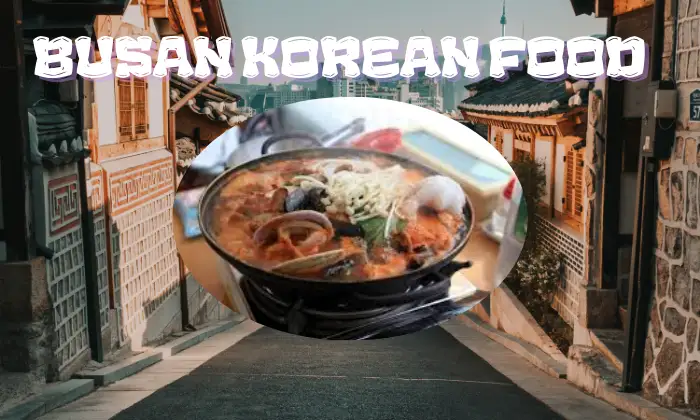
Busan Korean food offers a delicious window into South Korea’s vibrant coastal culture. As the country’s second-largest city and a major port, Busan is famous for its fresh seafood, bold flavors, and comforting street food. Unlike the cuisine of Seoul, Busan’s food culture reflects its ocean-side geography, historical influences, and lively market traditions. For travelers and food lovers alike, exploring Busan Korean food is an unforgettable experience.
What Makes Busan Korean Food Unique?
The biggest difference between Busan Korean food and other regional cuisines is its heavy focus on seafood. With easy access to the sea, Busan chefs rely on ultra-fresh fish, shellfish, and seaweed. The flavors tend to be saltier, spicier, and heartier, designed to fuel fishermen and busy city life.
Another unique factor is Busan’s history during the Korean War. As refugees settled in the city, they created simple but flavorful dishes using limited ingredients. Many of these recipes became iconic Busan foods that are still enjoyed today.
Must-Try Traditional Busan Dishes
Dwaeji Gukbap (Pork Soup Rice)
Dwaeji gukbap is one of the most famous Busan Korean foods. This hearty dish consists of pork bone broth served with tender slices of pork and a bowl of rice. Unlike other Korean soups, it’s lightly seasoned so diners can customize it with salted shrimp, chives, garlic, and chili flakes. Locals eat it any time of day, especially as a comforting meal after a long night.
Milmyeon (Wheat Noodles)
Milmyeon is a Busan specialty created during the Korean War when wheat flour replaced buckwheat. These chewy noodles are served in a cold, tangy broth or mixed with spicy sauce. Refreshing and flavorful, milmyeon is a summer favorite and a key part of Busan Korean food culture.
Eomuk (Fish Cake)
Busan is considered the fish cake capital of Korea. Busan-style eomuk is made with a higher percentage of fish, giving it a firmer texture and richer flavor. It’s commonly served on skewers in hot broth and sold at markets and street stalls throughout the city.
Busan Street Food Culture
Street food plays a huge role in Busan Korean food. Walking through areas like Gukje Market or BIFF Square, you’ll find endless stalls offering quick, flavorful snacks.
Popular street foods include:
-
Ssiat Hotteok: A Busan-style sweet pancake filled with seeds and nuts
-
Tteokbokki: Spicy rice cakes with a Busan twist using seafood broth
-
Twigim: Crispy deep-fried vegetables and seafood
These snacks reflect Busan’s fast-paced lifestyle and love for bold flavors.
Fresh Seafood from Jagalchi Market
No discussion of Busan Korean food is complete without mentioning Jagalchi Fish Market. This famous seafood market showcases Busan’s connection to the ocean. Visitors can choose live fish, octopus, crab, or shellfish and have it prepared on the spot.
Popular seafood dishes include:
-
Hoe (Korean-style raw fish)
-
Grilled eel
-
Spicy seafood stews
The freshness and variety make Jagalchi Market a top destination for food tourism in Busan.
Why Busan Korean Food Is Loved Worldwide
Busan Korean food stands out because it combines comfort, freshness, and bold seasoning. The dishes feel authentic and unpretentious, rooted in everyday life rather than fine dining. Whether it’s a warm bowl of pork soup, spicy noodles, or freshly grilled seafood, Busan food tells the story of resilience, community, and coastal living.
Food travelers often say Busan’s cuisine feels more rustic and soulful compared to other Korean regions. This honesty and depth of flavor are why Busan Korean food continues to gain global recognition.
Final Thoughts
Busan Korean food is more than just a regional cuisine—it’s a reflection of the city’s history, geography, and spirit. From bustling fish markets to humble street stalls, every dish offers a taste of Busan’s coastal identity. Whether you’re planning a trip or simply exploring Korean cuisine from afar, discovering Busan Korean food is a journey worth taking.