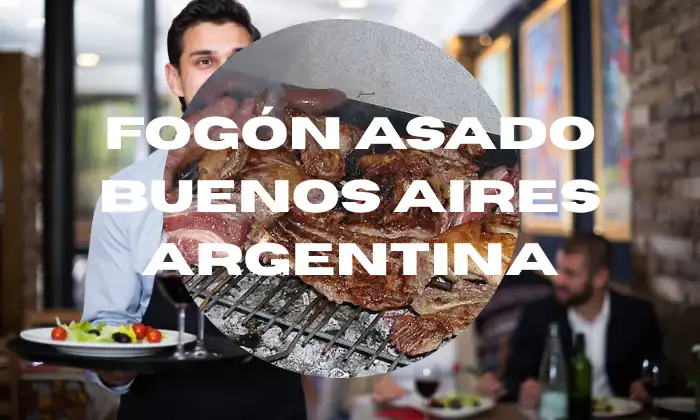

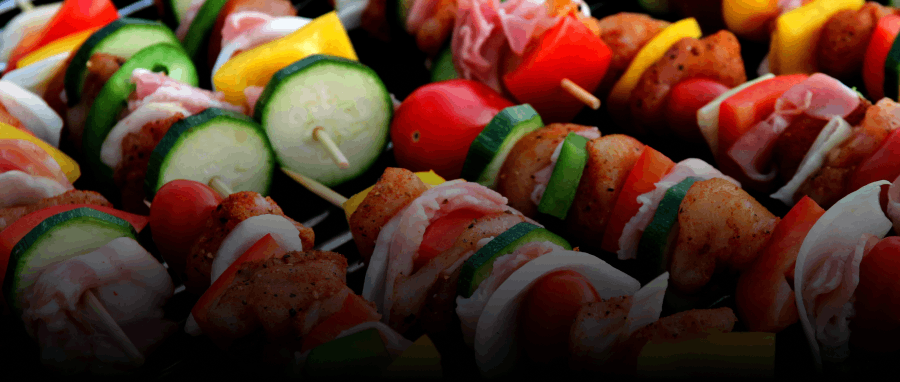
Fogón Asado in Buenos Aires Argentina

Fogón Asado in Buenos Aires Argentina

Fogón Asado in Buenos Aires, Argentina: A Modern Take on an Ancient Tradition

In the heart of Buenos Aires, Argentina, where culinary tradition and innovation collide, one dining experience stands out for its immersive, sensory journey through Argentine cuisine: Fogón Asado. More than just a steakhouse, Fogón offers a modern reimagining of the classic Argentine asado — an age-old barbecue tradition that is deeply woven into the country’s cultural identity.

The Asado: More Than Just a Meal

To understand Fogón Asado, one must first understand what asado means to Argentines. Asado is not just a method of grilling meat — it’s a social event, a ritual, and a celebration of community. It usually involves family and friends gathering around a parrilla (grill) or open flame, sipping Malbec, and enjoying slow-cooked meats over hours of conversation. The asador, or grill master, holds a place of honor and pride, carefully tending to each cut of meat to ensure it’s cooked to perfection.

Traditional asado showcases various cuts of beef — ribs (costillas), flank steak (vacio), short ribs (tira de asado), and sausages like chorizo and morcilla (blood sausage). It’s a culinary performance rooted in Argentina’s gaucho (cowboy) heritage, where meat and fire are sacred elements.

Fogón Asado: An Innovative Culinary Experience

Located in the Palermo neighborhood of Buenos Aires, Fogón Asado takes this traditional concept and elevates it with a contemporary twist. Rather than serving a standard à la carte menu, Fogón offers a multi-course tasting menu that blends classic Argentine flavors with modern culinary techniques and presentation.

The moment guests step into Fogón, they are welcomed with the warm, smoky aroma of meat roasting over open flames. The setting is intimate, with diners seated around a central open kitchen, allowing them to watch the chefs at work — a theatrical element that adds to the immersive experience. The ambiance is rustic yet refined, with low lighting, wood accents, and the soft crackle of fire setting the mood.

A Journey Through Argentine Flavors

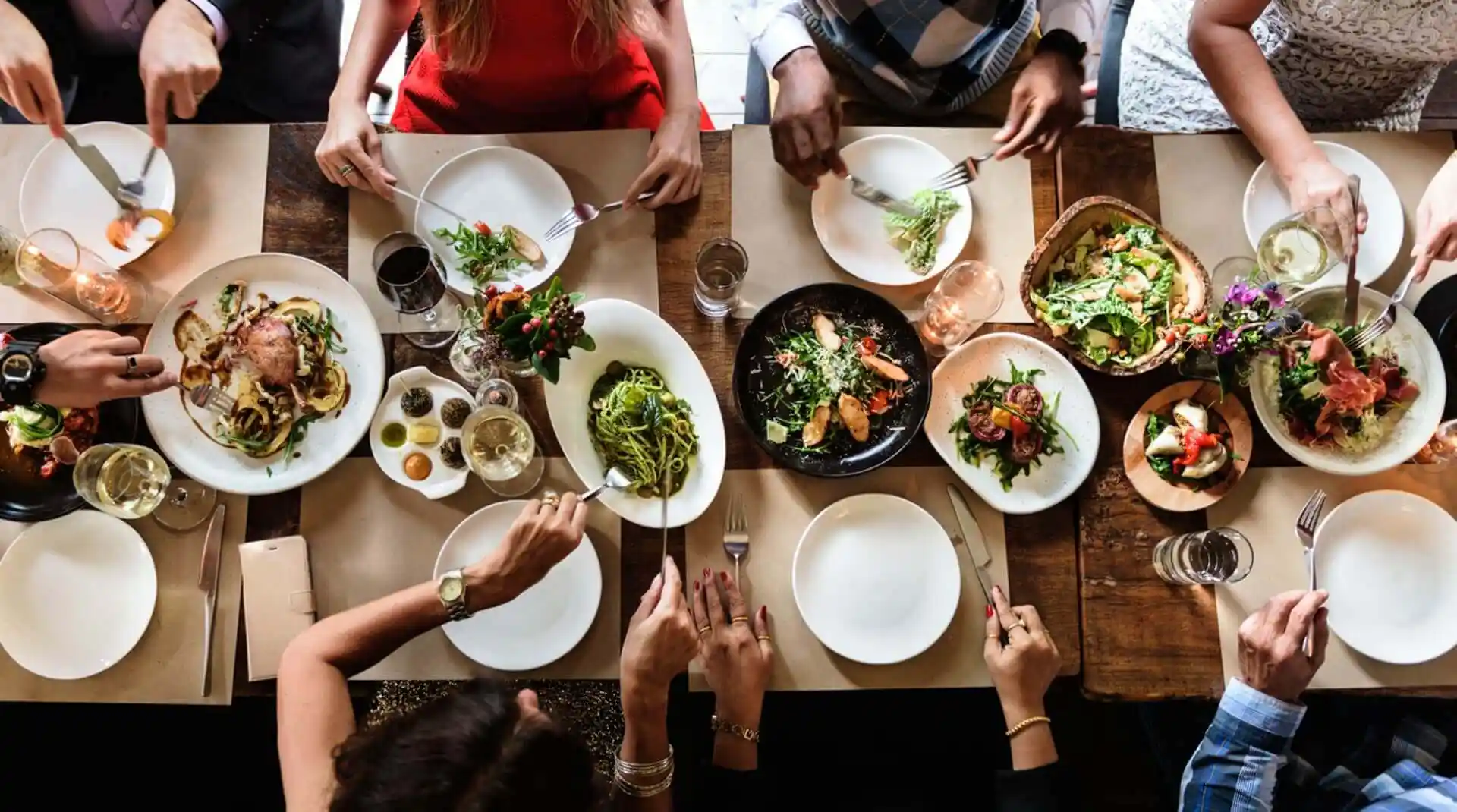
Fogón’s tasting menu typically consists of 8 to 9 courses, each showcasing different cuts of meat and traditional accompaniments, but presented in innovative ways. The experience often begins with a Malbec cocktail or a glass of sparkling wine, paired with appetizers like smoked provoleta cheese, empanadas with artisanal fillings, or grilled vegetables enhanced with chimichurri and native herbs.

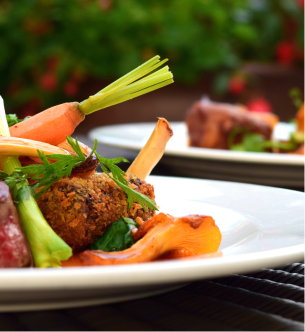
As the courses progress, diners are treated to a variety of meats, including beef ribeye, flank steak, and lamb, each prepared using different grilling techniques and seasoning profiles. Some dishes may be finished with a torch at the table or presented on hot stones, adding flair and interaction to the meal. One of the standout features is Fogón’s ability to maintain the soul of the asado while pushing the boundaries of traditional Argentine cuisine.

The restaurant also caters to vegetarians and pescatarians, offering creative adaptations that maintain the spirit of the asado without sacrificing flavor or authenticity.

Wine Pairing and Hospitality

No Argentine meal is complete without wine, and Fogón’s selection does not disappoint. Diners can opt for a wine pairing menu that includes a curated selection of premium Argentine wines, primarily from Mendoza, Patagonia, and Salta. Knowledgeable sommeliers guide guests through each pairing, explaining how the wines complement the smoky, rich flavors of the meats.

What truly elevates the Fogón experience is the hospitality. The chefs and staff engage with guests throughout the meal, explaining the origin of ingredients, cooking techniques, and the cultural significance of each dish. This creates a sense of connection, making the experience feel less like dining in a restaurant and more like being welcomed into someone’s home.

A Must-Visit for Food Lovers

For tourists and locals alike, Fogón Asado is more than just a meal — it’s an unforgettable culinary event that captures the essence of Argentina’s food culture while offering a fresh perspective. It appeals to food lovers who appreciate tradition but also crave creativity and storytelling through cuisine.

In a city known for its parrillas and passionate food scene, Fogón stands out by honoring the roots of the asado while carving its own path forward. It’s a perfect example of how heritage and innovation can coexist beautifully on a plate.

Conclusion

If you find yourself in Buenos Aires and are looking for a dining experience that goes beyond a typical steakhouse, Fogón Asado is a must. It offers a delicious and deeply personal introduction to Argentine culture — one bite at a time. Through fire, flavor, and storytelling, Fogón delivers a memorable gastronomic journey that lingers long after the last bite.

Discover best places to visit

raw bar

Raw Bar Experiences: The Perfect Blend of Food, Fun, and Visual Appeal

Raw Bar Experiences: The Perfect Blend of Food, Fun, and Visual Appeal

30 seconds summary

  • A raw bar experience blends fresh seafood, social interaction, and stunning visual appeal, making it a memorable centerpiece for any event. Whether at a seaside restaurant or an oyster bar wedding, it offers a unique, interactive dining experience where guests enjoy oysters, clams, shrimp, and more, often paired with refreshing drinks. 
  • The presentation is as much an art form as the food itself, with ice displays and vibrant garnishes heightening the sensory enjoyment. 
  • Raw bars create an atmosphere of luxury, fun, and indulgence, perfect for celebrations, making them a timeless favorite.

Introduction

There are few culinary experiences as immersive, celebratory, and visually striking as a raw bar. Whether perched at a seaside restaurant, attending a grand wedding reception, or enjoying a chic corporate event, the raw bar has a unique ability to capture attention, spark conversations, and satisfy cravings all at once. Unlike many other dining setups, raw bars combine food, fun, and artistry in equal measure.

From piles of ice shimmering under glistening oysters, to the careful placement of colorful garnishes, to the laughter of guests as they sip cocktails and sample delicacies, a raw bar is more than a dining option, it’s a statement of taste, atmosphere, and style. This article will explore the evolution, cultural significance, setup, and experiential value of raw bars, showing how they serve as the perfect blend of food, fun, and visual appeal.

Chapter 1: The Origins and Evolution of Raw Bars

Raw bars trace their lineage back to coastal communities where seafood was freshly harvested and consumed on the spot. Ancient fishing villages often held communal gatherings where clams, oysters, and crustaceans were shared directly after harvesting, sometimes eaten raw with little more than a splash of seawater.

As trade expanded, so did the appreciation for fresh seafood. By the 19th century, oyster houses and seafood taverns in cities like New York, Boston, and London introduced the concept of presenting seafood on ice in public dining establishments. Oysters were famously affordable then, often enjoyed by both working-class dockworkers and upper-class elites.

Over time, the raw bar evolved into a cultural symbol of freshness, indulgence, and sophistication. Today, it remains a staple of luxury dining, yet also appeals to casual food lovers. Its duality, accessible yet extravagant, makes it endlessly versatile.

Chapter 2: The Visual Theater of the Raw Bar

At its core, a raw bar is performance art. Guests don’t just eat; they watch as chefs shuck oysters, slice sashimi, and arrange seafood on dramatic displays of ice, shells, and decorative elements. The presentation is carefully orchestrated for visual impact.

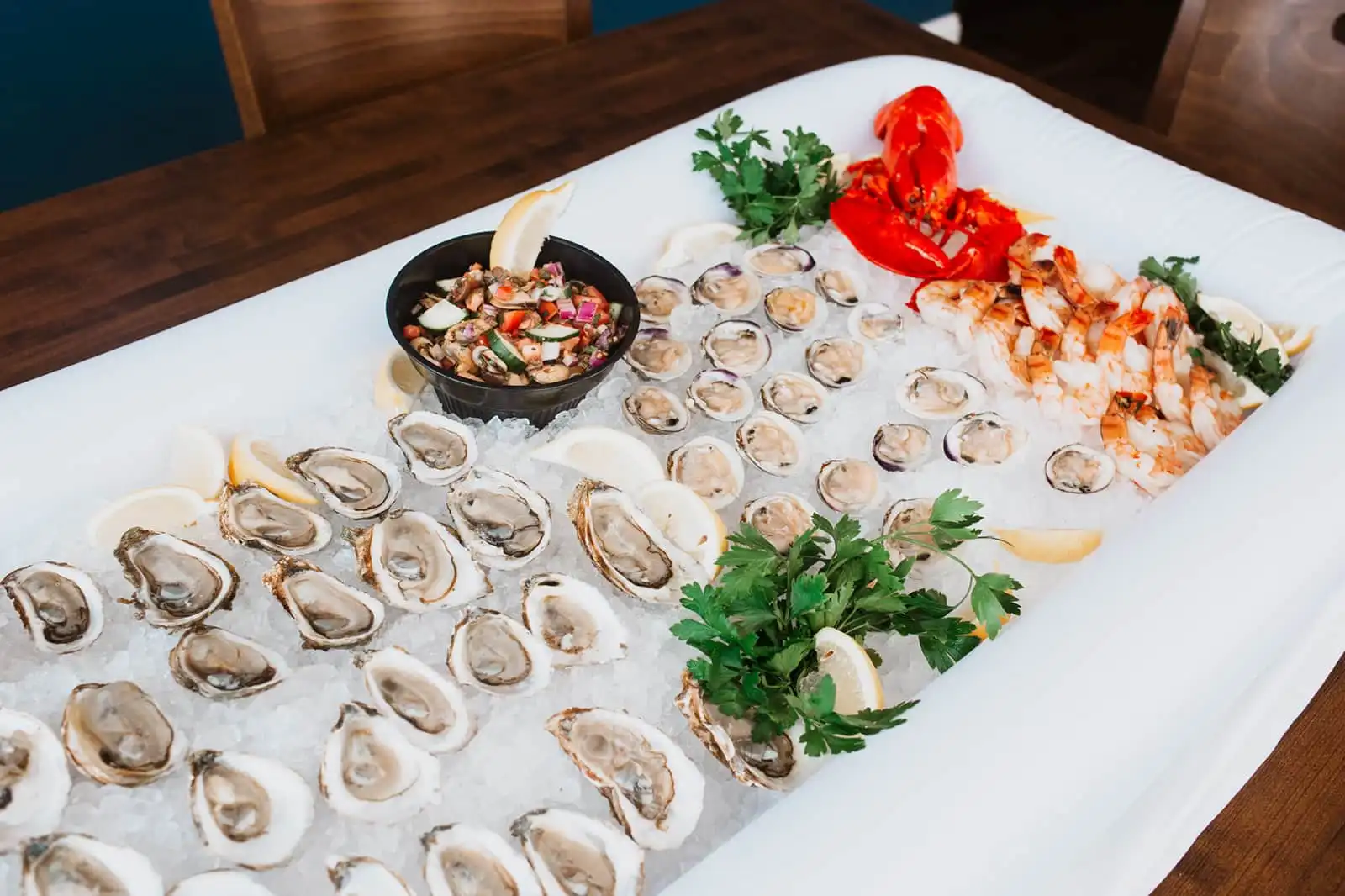
Imagine a tiered tower of oysters, clams, mussels, and crab legs, accented with lemon wedges, seaweed, and edible flowers. The icy base sparkles under soft lighting, while steam from dry ice may curl upward like ocean mist. Every detail is intentional, designed to stimulate not just the palate but also the eyes.

This visual appeal contributes to the raw bar’s popularity in social media culture. Photos of carefully arranged oysters or lobster tails are endlessly shareable, turning private experiences into collective appreciation online. The raw bar is, in many ways, a ready-made Instagram moment.

Chapter 3: The Social Side of Raw Bars

Food brings people together, and the raw bar amplifies this truth. Unlike plated meals, where guests eat in relative isolation, a raw bar invites mingling. People gather around the display, strike up conversations with the shucker, and bond over shared culinary adventures.

The setup naturally encourages interaction. Guests may ask each other for recommendations: “Have you tried the scallop crudo yet?” or share their delight at discovering a new flavor combination. In event settings, this dynamic transforms a raw bar into a social hub, making it ideal for weddings, parties, and networking gatherings.

Alcohol often complements the seafood, with champagne, white wine, or craft cocktails flowing freely. The pairing of bubbly drinks and briny delicacies creates a festive, celebratory energy.

Chapter 4: Raw Bars at Weddings and Events

One of the most striking places to encounter a raw bar today is at a wedding reception. Couples looking to dazzle their guests often choose raw bar stations as part of their catering. This not only elevates the culinary offering but also adds a theatrical, luxurious element to the event.

An Oyster bar wedding is a particularly memorable experience. Guests are greeted with trays of freshly shucked oysters, each paired with unique toppings, from classic mignonette to inventive spicy ponzu sauces. The oyster bar becomes more than a meal; it becomes a memorable highlight of the celebration, reflecting the couple’s sophistication and love for hospitality.

In corporate events, raw bars serve a similar role: signaling prestige, attention to detail, and creativity. They stand apart from the predictable buffet or plated meal, offering something interactive and unexpected.

Chapter 5: Components of a Raw Bar

A true raw bar is more than just oysters. While oysters may be the crown jewel, the complete experience includes a variety of fresh, chilled, or lightly cured items. Common elements include:

  • Oysters: The star attraction, often sourced from different regions to showcase a variety of flavor profiles.
  • Clams: Served raw or steamed, offering a slightly firmer texture and sweet, briny flavor.
  • Shrimp cocktail: A timeless favorite, chilled and paired with cocktail sauce or aioli.
  • Crab legs: Snow crab or king crab, served cracked for easy enjoyment.
  • Lobster: Lobster tails or claws, displayed prominently as a sign of indulgence.
  • Sashimi: Thinly sliced raw fish such as tuna or salmon, adding a Japanese-inspired touch.
  • Ceviche: Fresh fish cured in citrus juice, layered with herbs, onions, and peppers for brightness.
  • Condiments: Lemon wedges, cocktail sauce, horseradish, hot sauce, flavored vinegars, and herbs.

These items are not only chosen for taste but also for their contribution to visual variety, different colors, textures, and shapes combine to create edible art.

Chapter 6: The Science of Freshness

The success of a raw bar depends heavily on the perception of freshness. Seafood, more than almost any other category, must be impeccably fresh to be safe and enjoyable. Guests expect the coldest ice, the cleanest shells, and the briniest flavors.

Chefs and event planners take this responsibility seriously. They work with trusted suppliers, often sourcing seafood from sustainable farms or fisheries. Transportation is carefully managed, with strict cold-chain protocols ensuring that the seafood is never compromised.

Freshness is also communicated visually. A clean, sparkling raw bar reassures guests that the seafood is safe and premium. The glistening ice, polished shells, and bright garnishes all play a role in this perception.

Chapter 7: Pairing Drinks with the Raw Bar

No raw bar experience is complete without drinks. The pairing of beverages with raw seafood is both science and art.

  • Champagne and sparkling wine: The effervescence cuts through the richness of oysters and enhances their briny notes.
  • Crisp white wines: Sauvignon Blanc, Muscadet, or Albariño are classic choices that complement seafood.
  • Cocktails: A gin and tonic with cucumber, a dry martini, or a vodka-based Bloody Mary pair beautifully with chilled shellfish.
  • Craft beers: Light lagers, pilsners, or wheat beers provide a refreshing counterbalance.

The right pairing heightens the fun, making guests feel like they’re indulging in a curated, elevated experience.

Chapter 8: Raw Bars Around the World

While raw bars are strongly associated with Western dining, variations exist globally:

  • Japan: Sushi and sashimi bars share many qualities with raw bars, emphasizing freshness and knife skills.
  • Peru: Ceviche stations are a staple of celebrations, with vibrant, citrusy seafood preparations.
  • France: Plateau de fruits de mer, tiered towers of oysters, shrimp, and lobster, represent the French equivalent of a raw bar.
  • Nordic countries: Smørrebrød and seafood buffets highlight cold-water delicacies like herring, salmon, and roe.

These cultural variations demonstrate the universal appeal of raw seafood as both nourishment and spectacle.

Chapter 9: The Fun Factor

Why are raw bars so enjoyable? Beyond the flavors, raw bars create excitement. Guests often step out of their comfort zone to try something new, whether it’s their first oyster, a unique ceviche, or a novel garnish.

The interactivity of watching seafood being shucked or prepared adds entertainment. The experience feels less like dining and more like attending a live performance, where the chef or shucker is both artisan and showman.

In addition, the sheer abundance of a raw bar, piles of seafood, glittering ice, endless garnishes, creates a feeling of abundance and indulgence that sparks joy.

Chapter 10: The Perfect Blend

When considering food, fun, and visual appeal, the raw bar stands in a league of its own. Few dining experiences balance all three so effortlessly:

  • Food: Fresh, luxurious, and varied.
  • Fun: Interactive, social, and adventurous.
  • Visual Appeal: A show-stopping centerpiece that doubles as décor.

This balance explains why raw bars have transcended their origins to become global symbols of celebration and sophistication. Whether at a seaside shack or a glamorous black-tie event, the raw bar delivers an unforgettable experience.

Chapter 10: Future Trends in Raw Bar Experiences

As dining continues to evolve, raw bars are adapting too. Some emerging trends include:

  • Sustainability: More emphasis on responsibly sourced seafood and eco-friendly displays.
  • Fusion flavors: Creative condiments inspired by global cuisines, such as kimchi mignonette or yuzu ponzu.
  • Interactive education: Chefs offering mini-lessons on oyster regions or fish varieties.
  • Vegan raw bars: For inclusivity, some events offer plant-based alternatives styled like seafood towers.

These innovations ensure that raw bars remain fresh, relevant, and exciting for new generations.

Conclusion

Raw bars embody the magic of dining as an experience rather than a necessity. They bring together exquisite food, artistic presentation, and a sense of joy that transforms meals into memories. Whether you encounter one at a seaside bistro, a chic rooftop party, or an oyster bar wedding, the raw bar always delivers something extraordinary.

In a world where people seek not just to eat but to connect, celebrate, and share, raw bars remain timeless. They are at once ancient and modern, humble and luxurious, intimate and spectacular. Above all, they are the perfect blend of food, fun, and visual appeal, a feast for all senses.

Find best restaurants

Custom Apparel

Uniforms for the Modern Foodie: Custom Apparel for Restaurant Staff

Uniforms for the Modern Foodie: Custom Apparel for Restaurant Staff

30 seconds summary

  • Modern restaurant uniforms blend brand storytelling with hard-working design. Think mix-and-match pieces, tailored tees, chef coats, denim or canvas aprons, and slip-resistant footwear built from breathable, stretch, stain-release, and antimicrobial fabrics. 
  • Color palettes and tasteful logo placement reinforce identity across FOH/BOH while keeping individuality via name embroidery, pins, or seasonal accents. Inclusive sizing, gender-neutral cuts, and modular layers suit diverse teams and climates. 
  • Sustainability matters too: durable construction, recycled fibers, and easy-care laundering. The payoff: a cohesive look that boosts morale, speeds service, photographs well, and keeps guests’ focus on the food.


The restaurant industry has evolved far beyond the days when uniforms were simply functional. Today, food is a cultural experience, and restaurants are as much about atmosphere and identity as they are about taste. With the rise of the “modern foodie” culture, diners are increasingly looking for authenticity, story, and style in every detail of their dining experience. This includes the uniforms worn by restaurant staff.

Uniforms are no longer just about compliance or tradition; they are an extension of a brand, a tool for creating consistency, and in many cases, a piece of performance gear designed for demanding environments. Custom apparel, especially custom performance shirts has become a vital solution for restaurants that want to merge aesthetics with practicality.

This article explores why uniforms matter in modern food culture, how custom apparel is reshaping restaurant staff attire, and why performance fabrics are leading the charge.

The Role of Uniforms in the Modern Dining Experience

1. First Impressions Matter

When guests walk into a restaurant, staff uniforms often create the first impression of the brand. Crisp, modern, and thoughtfully designed apparel can instantly communicate values such as professionalism, creativity, or comfort. For example, a fine-dining establishment may choose sleek, tailored shirts to project elegance, while a craft brewery might lean toward casual tees and denim aprons for a laid-back vibe.

2. Reinforcing Brand Identity

Uniforms function as visual storytelling tools. They reinforce brand colors, aesthetics, and messaging in a subtle yet powerful way. A staff outfitted in coordinated custom apparel creates cohesion that mirrors the curated dining experience. Diners notice these small details, and they often subconsciously link them with the quality of the food and service.

3. Building Team Morale

Wearing custom uniforms fosters a sense of unity among staff. It reduces hierarchies between front-of-house and back-of-house employees and helps everyone feel like part of a team working toward the same goal: guest satisfaction. Moreover, stylish apparel that staff members feel good wearing boosts morale and confidence.

4. Enhancing Functionality and Safety

Foodservice is fast-paced, physically demanding, and often messy. Uniforms must therefore do more than look good; they must also serve practical purposes. They should be durable, easy to clean, and ideally, designed with fabrics that withstand heat, spills, and stains. Performance apparel takes this functionality to the next level, allowing staff to stay cool, comfortable, and safe during long shifts.

Why Custom Apparel Has Become Essential

Standing Out in a Saturated Market

Restaurants face fierce competition not just in their cuisine but also in their branding. Diners today expect an immersive experience, and custom uniforms help differentiate one establishment from another. A thoughtfully designed shirt with embroidered logos, subtle accents, or unique cuts can create a memorable identity that guests associate with the brand.

Consistency Across Locations

For restaurant groups and franchises, custom apparel ensures consistency across multiple locations. Whether a guest is in New York or Los Angeles, seeing the same crisp branded uniform reinforces reliability and professionalism.

Blurring the Line Between Workwear and Lifestyle Apparel

Custom apparel also serves a marketing role beyond the restaurant. When uniforms are stylish and comfortable enough to wear off-shift, they double as lifestyle pieces. Staff may choose to wear them outside of work, subtly promoting the restaurant wherever they go.

The Rise of Performance Apparel in Restaurants

Traditional uniforms, stiff button-downs, polyester aprons, or heavy cotton shirts often fail to keep up with the physical demands of modern foodservice. Enter performance apparel, inspired by athletic wear but tailored for hospitality professionals.

Features of Performance Shirts for Restaurant Staff

  1. Moisture-Wicking Fabrics

Sweat and heat are inevitable in kitchens and bustling dining rooms. Moisture-wicking materials keep staff cool and dry by pulling sweat away from the skin.


  1. Breathability
    Lightweight and ventilated fabrics help regulate body temperature, which is crucial in hot kitchens or during outdoor dining service. 
  2. Stretch and Flexibility
    Staff often bend, lift, and move quickly. Shirts with added stretch allow for unrestricted movement, preventing discomfort and fatigue. 
  3. Durability
    High-quality performance fabrics resist wear and tear from frequent washing, exposure to oils, and constant activity. 
  4. Stain Resistance
    Advanced fabric technology helps repel stains, ensuring uniforms maintain a polished look throughout a shift. 
  5. Wrinkle Resistance
    Wrinkle-free performance shirts reduce the need for ironing and maintain a professional appearance straight from the laundry. 

Custom Performance Shirts: The Star of Modern Uniforms

Tailored for the Foodie Culture

Custom performance shirts combine the best of both worlds: branding and functionality. They are adaptable enough for different restaurant concepts, from fast-casual eateries to upscale fine dining.

  • For Fine Dining: Sleek, tailored cuts in darker hues with embroidered logos create an elevated, sophisticated look. 
  • For Cafés or Bistros: Soft, breathable fabrics in neutral tones provide casual charm with a professional edge. 
  • For Breweries and Food Trucks: Performance polos or tees with bold graphics bring energy and personality. 

Front of House vs. Back-of-House Needs

Custom performance shirts can be tailored for different staff roles.

  • Front of House (FOH): Emphasis on aesthetics and branding, with crisp fits and style-conscious designs. 
  • Back of House (BOH): Prioritization of function heat resistance, flexibility, and ease of movement. 

Branding Possibilities

Logos, color accents, embroidered names, and even QR codes (for modern promotions) can be seamlessly integrated into performance shirts. The result is apparel that doesn’t just serve the restaurant but markets it.

Benefits for Restaurant Owners

  1. Professional Presentation
    Guests perceive the restaurant as more polished and reliable. 
  2. Employee Comfort and Retention
    Comfortable uniforms reduce fatigue and help retain staff who appreciate thoughtful workwear. 
  3. Cost Savings
    Performance apparel lasts longer than traditional uniforms, reducing replacement frequency. 
  4. Streamlined Operations
    Easy-care fabrics simplify laundry logistics and reduce downtime. 

The Psychology of Uniforms and Guest Perception

Research in hospitality shows that uniforms directly influence how guests perceive staff professionalism and competence. A well-dressed server in a stylish performance shirt may be seen as more attentive and trustworthy. Conversely, ill-fitting or sloppy uniforms can lead to assumptions about disorganization or poor hygiene.

In foodie culture, where diners often share photos of their meals online, staff apparel sometimes makes it into the frame. A chic custom shirt can subtly reinforce the restaurant’s brand identity in every Instagram post.

Sustainability in Uniform Design

The modern foodie also values sustainability, and restaurants can reflect this through eco-conscious apparel choices. Options include:

  • Organic Cotton Blends: Softer on the environment and skin. 
  • Recycled Fabrics: Made from reclaimed plastics and fibers. 
  • Long-Lasting Designs: Reducing waste by investing in durable apparel. 

Sustainable uniforms can even become a selling point, aligning the restaurant with values important to millennial and Gen Z diners.

Case Examples

Example 1: The Upscale Bistro

A modern French bistro outfits its servers in fitted black performance shirts with subtle embroidered logos. The breathable fabric keeps staff comfortable during long shifts, while the minimalist style communicates sophistication.

Example 2: The Farm-to-Table Cafe

Staff wear earth-toned polos made from recycled fabrics. The shirts are moisture-wicking yet soft, reflecting the café’s eco-friendly ethos. Diners recognize the apparel as an extension of the restaurant’s sustainable philosophy.

Example 3: The Food Truck Collective

A street-food collective outfits staff in branded performance tees with bold graphics. The shirts are stain-resistant and flexible, perfect for outdoor festivals. Guests often purchase matching merch, blurring the line between staff uniforms and fan apparel.

Designing the Ideal Uniform

Restaurants creating custom performance shirts should consider:

  • Fabric Selection: Moisture-wicking blends or eco-friendly textiles. 
  • Fit Options: Tailored for a sleek look or relaxed for casual dining. 
  • Color Palette: Aligning with brand identity and ambiance. 
  • Customization: Logos, staff names, and subtle design accents. 
  • Gender-Neutral Cuts: Inclusive designs that suit all staff. 
  • Layering Potential: Shirts that work with aprons, vests, or jackets. 

The Future of Restaurant Apparel

The future of restaurant uniforms will likely see even more integration of technology and personalization. Possibilities include:

  • Smart Fabrics that monitor body temperature or resist pathogens. 
  • Augmented Branding with QR codes embroidered into uniforms for interactive dining experiences. 
  • Customization at Scale using digital design platforms, making it easier for even small restaurants to create personalized apparel. 

As the industry continues to embrace modern foodie culture, uniforms will remain central to how restaurants project identity, prioritize staff well-being, and enhance the guest experience.

Conclusion

In a dining landscape where food is celebrated as culture and branding is everything, uniforms have evolved from mere garments to strategic assets. Custom performance shirts exemplify this transformation: they merge fashion with function, branding with practicality, and tradition with innovation.

For restaurant owners, investing in custom apparel isn’t just about creating a dress code—it’s about crafting a memorable dining experience. For staff, performance shirts offer comfort, confidence, and pride in their role. And for guests, these uniforms enhance the story being told with every dish.

Uniforms for the modern foodie aren’t just about dressing staff they’re about dressing the entire experience.

Find best restaurants

Travel Accessories

Top 10 Must-Have Travel Accessories for Foodies Exploring Global Cuisines

Introduction

For passionate foodies, travel is not just about exploring new places but also about diving into the rich tapestry of global cuisines. Each country offers its own unique set of flavors, ingredients, and culinary techniques, providing food lovers with an opportunity to experience something new with every trip. Whether you’re savoring street food in Thailand, indulging in pasta in Italy, or enjoying fresh sushi in Japan, the right travel accessories can make all the difference in your food exploration journey.

As a foodie, you’re not just a tourist; you’re an explorer of flavors. Your taste buds are your compass, guiding you to the most delicious experiences around the globe. But to truly maximize your travel experience, it’s essential to come prepared with the right tools. From keeping your snacks fresh on long flights to capturing those unforgettable food moments, certain travel accessories are a must for anyone serious about global cuisine.

In this article, we’ll explore the top 10 must-have travel accessories for foodies. These items will help you enjoy your food-focused adventures while ensuring that you have all the tools necessary for a seamless, stress-free culinary journey. And, for the food-loving professional, we’ll even touch on how your corporate backpack can play an important role in managing your culinary travel essentials.

1. Portable Spice Kit

When traveling to new destinations, you may come across new flavors that spark a desire to recreate those dishes at home. A portable spice kit is one of the most essential tools for any foodie on the go. Many regional dishes are defined by their spices, and having your favorite seasonings with you can help enhance the local meals or bring a piece of the trip back home.

A portable spice kit typically contains small containers that are compact enough to travel with but large enough to hold an ample amount of your favorite spices. You can fill these with your go-to spices like cumin, paprika, chili flakes, or even a blend of curry powder. In addition, it’s often helpful to include a small jar of sea salt and pepper as well, ensuring you can add a familiar flavor to any meal while abroad.

For a foodie, a spice kit allows you to not only season your meals on the go but also connect more deeply with the cuisines you are exploring by incorporating the ingredients that make each dish unique.

Travel Tip:

When packing your spice kit, be sure to check the regulations for carrying spices through customs, as some countries have restrictions on certain food products.

2. Collapsible Water Bottle

Staying hydrated is essential when traveling, especially if you’re indulging in a variety of rich and flavorful foods. A collapsible water bottle is a perfect travel accessory for foodies, as it can easily be stored in your bag when not in use, taking up minimal space. Many collapsible bottles are made from durable silicone or other flexible materials, making them leakproof and easy to carry.

Having your own water bottle also ensures that you can stay hydrated while navigating the streets of foreign cities in search of food. It’s also a great option when you’re visiting areas where bottled water may not be readily available, and it’s more eco-friendly than purchasing disposable plastic bottles.

Travel Tip:

If you’re in a country with high temperatures or spicy food, having a collapsible water bottle on hand is crucial to help balance the heat and refresh yourself between meals.

3. Compact Food Storage Containers

Foodies often enjoy bringing back local delicacies or street food from their travels, either to savor later or to share with loved ones back home. A set of compact food storage containers is a game-changer. These containers allow you to store small portions of your culinary discoveries, such as leftover street food, fresh ingredients, or even delicacies you plan to bring home as souvenirs.

Look for containers that are airtight, leakproof, and stackable. They come in various sizes, so you can choose ones that fit your needs, whether you’re bringing back pastries from France or a jar of truffle oil from Italy.

Travel Tip:

You might also want to invest in vacuum-sealed bags to keep food fresh for longer, especially if you’re traveling long distances or are unsure of refrigeration options.

4. Food Tasting Journal

A food-tasting journal is an excellent accessory for any foodie. While traveling, you’ll encounter new dishes, flavors, and experiences that are worth remembering. Writing these experiences down allows you to reflect on your culinary journey and keeps track of dishes you want to try again or recreate at home.

A compact food journal can fit easily into your corporate backpack or day bag. You can jot down notes about the taste, texture, presentation, and even the setting in which you had the meal. For food lovers, this journal becomes a treasure trove of memories and a reference for future meals.

Travel Tip:

Pair your food-tasting journal with a portable pen and even a small camera or phone to snap pictures of the dishes, giving you both visual and written memories.

5. Travel-Friendly Coffee Maker

For many travelers, coffee is not just a drink—it’s an experience. If you’re someone who enjoys starting your day with a cup of freshly brewed coffee, bringing along a travel-friendly coffee maker can elevate your food-focused travels. There are compact travel coffee makers that are lightweight and easy to carry, such as French presses, pour-over kits, or even small espresso machines.

Having your own coffee maker ensures you can enjoy a quality brew no matter where you are. Whether you’re in a bustling city or in a remote village, you’ll never have to settle for subpar coffee again.

Travel Tip:

Look for coffee makers that are durable and versatile, like those that come with a reusable filter or a manual brewing method.

6. Reusable Utensils and Chopsticks Set

Disposable cutlery is often used when eating out, but for eco-conscious foodies, a reusable set of utensils or chopsticks is a must. Whether you’re enjoying a meal in a street food market or dining at a local restaurant, having your own reusable utensils eliminates the need for single-use plastic, which is harmful to the environment.

A travel utensil set is usually made from durable materials like stainless steel, bamboo, or titanium. Some sets even come with a travel case to keep everything organized in your corporate backpack or daypack. This accessory is both environmentally friendly and practical, ensuring you have everything you need to enjoy your meal.

Travel Tip:

Ensure your utensils are dishwasher safe and lightweight, so they’re easy to clean and carry on your journey.

7. Insulated Food Carrier Bag

If you’re planning to bring back local specialties like sushi, pastries, or even pre-packed meals, an insulated food carrier bag can help keep your food fresh and at the right temperature. These bags are designed to maintain the temperature of your food for hours, allowing you to transport hot or cold items without worrying about them losing their quality.

Many insulated bags are lightweight and foldable, making them easy to pack away when not in use. Whether you’re bringing back a piece of pie from a bakery in the UK or some spicy tamales from Mexico, an insulated food carrier bag will keep your culinary discoveries intact.

Travel Tip:

Look for bags with adjustable straps so you can comfortably carry them on your shoulder or sling them across your back.

8. Portable Electric Griddle or Pan

For foodies who love to cook their own meals while traveling, a portable electric griddle or pan can make cooking on the go a breeze. This compact appliance allows you to quickly prepare fresh meals, whether you’re staying in an Airbnb or need to whip up breakfast in a hotel room.

The versatility of a portable griddle or pan means you can cook a variety of dishes, from pancakes and eggs to stir-fries and grilled sandwiches. It’s especially handy when you’re traveling to places where you want to experiment with local ingredients and flavors but don’t have access to a full kitchen.

Travel Tip:

Choose a model that’s compact and energy-efficient, and ensure it can be used with a plug adapter if traveling abroad.

9. Multi-Compartment Travel Organizer

When traveling, it’s easy for your culinary accessories and gadgets to become disorganized. A multi-compartment travel organizer is a great way to keep everything neat and accessible, whether it’s your spice kit, utensils, or portable coffee maker. These organizers come in different sizes and can be used to store everything from small gadgets to larger items.

A well-organized bag will save you time when you’re rushing to catch a flight or preparing for a food tour. Having your accessories neatly arranged ensures you can quickly find what you need without any hassle.

Travel Tip:

Pick an organizer that has flexible compartments so you can customize it based on what you’re carrying.

10. Portable Food Photography Kit

For foodies who love sharing their culinary adventures with others, a portable food photography kit is essential. Whether you’re capturing the vibrant colors of a Thai curry or the intricate plating of a Japanese bento box, a portable photography kit allows you to take professional-looking food photos without the need for bulky equipment.

These kits usually come with small lighting devices, adjustable stands, and background materials to help create the perfect shot. They are compact and lightweight, making them easy to carry in your corporate backpack or any other travel bag.

Travel Tip:

Look for a kit that includes a tripod and collapsible lightbox for those perfect food shots, even in low-light conditions.

Conclusion

Traveling as a foodie is one of life’s most rewarding experiences. The combination of exploring new cities, immersing yourself in diverse cultures, and tasting exotic dishes is unparalleled. But to truly make the most of your culinary travels, the right accessories are essential. From a portable spice kit to a food photography kit, each of the items we’ve mentioned will help you enhance your food exploration journey.

And don’t forget, your corporate backpack can also play a crucial role in organizing and carrying your travel accessories. With thoughtful preparation and the right tools, you can dive into the world of global cuisine with ease and excitement, ensuring your travel experiences are as delicious as they are memorable.


Crop tops for World Cuisines

Dining in Style with crop tops

The Ultimate Guide to Dining in Style with crop tops: Pairing Fashion with World Cuisines

30 seconds summary

  • The Ultimate Guide to Dining in Style: Pairing Fashion with World Cuisines” blends the art of culinary experiences with fashion sensibilities. It explores how different global cuisines can inspire outfit choices, creating an immersive dining experience.
  • From elegant French dining, calling for refined attire, to vibrant, colorful meals from Latin America that encourage playful, bold fashion, this guide offers practical tips on matching your wardrobe to the dining setting.
  • It emphasizes how the right fashion can elevate the cultural and sensory experience of dining, enhancing both your aesthetic and taste.


Dining out is not just about the food—it’s a cultural experience that engages all of our senses. The ambiance, the setting, the company, and, of course, the fashion we choose to wear all contribute to creating memorable moments. Whether you’re dining at a Michelin-starred restaurant in Paris, exploring the vibrant street food scene in Bangkok, or savoring a fresh sushi platter in Tokyo, your fashion choices should complement the essence of the cuisine.

This guide will explore how to pair fashion with world cuisines, focusing on the idea that what you wear can elevate your dining experience. For a specific touch, we’ll delve into pairing a popular fashion trend, such as crop tops, with different culinary traditions. The intersection of style and food is where creativity meets culture, and it can transform an ordinary meal into something extraordinary.

1. Introduction: The Fusion of Fashion and Food

Fashion and food have always been intertwined in the world of dining, with both contributing to cultural expression and individuality. The pairing of fashion with food can be traced back to the extravagant feasts of the French aristocracy, where the dining experience was as much about showing off wealth and taste as it was about savoring luxurious meals. Today, dining out has become a sophisticated experience for people from all walks of life, and our choices in fashion play a huge part in how we engage with different cuisines.

Why Fashion Matters in Dining

When we dine, our clothing choices can influence the way we experience food. Think about how different textures, colors, and styles can affect your perception of a dish. For example, bright colors may evoke feelings of excitement and energy, while minimalist styles might enhance the elegance of a formal dining setting.

The right outfit not only boosts confidence but can also harmonize with the atmosphere and cuisine you’re about to indulge in, whether it’s the casual vibes of an outdoor café or the refined luxury of a five-star restaurant.

The Role of Crop Tops in Fashion and Dining

One particular fashion trend that has gained momentum in recent years is the crop top. This versatile garment, once synonymous with casual summer days, has evolved into a high-fashion staple that can be styled for a variety of occasions, including dining out. The crop top is an example of how fashion can be playful and creative, allowing individuals to express their personality through clothing. So, how does a crop top pair with world cuisines? Let’s break it down.

2. Pairing Crop Tops with Cuisines Around the World

A. Italian Cuisine: La Dolce Vita

Italy is known for its love of food, and dining here is a social experience. Whether you’re having a leisurely meal of pasta in Rome or enjoying a pizza in Naples, the atmosphere is casual yet full of passion. Italian cuisine is grounded in fresh ingredients, simplicity, and an abundance of flavors, much like Italian fashion.

Fashion Pairing: Crop Tops with a Mediterranean Flair

For an Italian-inspired dining experience, choose a chic, sophisticated crop top with Mediterranean elements like bold stripes or floral prints. A white and navy striped crop top, paired with high-waisted trousers or a flowy skirt, will give off an effortlessly stylish vibe, mirroring the laid-back yet fashionable approach of Italian culture. Add a leather handbag and some simple gold jewelry, and you’re ready to enjoy a meal in the sun.

The Mediterranean aesthetic blends simplicity with elegance, making it the perfect backdrop for a crop top that highlights both your fashion sense and appreciation for the food. Pair this look with a classic Italian dish like pasta alla Caprese, where fresh mozzarella, basil, and tomatoes come together in harmony, much like your outfit.

B. French Cuisine: Elegance Meets Flavors

When it comes to French dining, think of luxurious, refined experiences—whether it’s enjoying croissants in a Parisian café or savoring a multi-course meal at a Michelin-starred restaurant. French fashion is known for its timeless sophistication, with minimalist yet striking ensembles.

Fashion Pairing: Classic Crop Tops with a Parisian Twist
For a French dining experience, go for a crop top with a refined silhouette. A simple, fitted black crop top paired with high-waisted trousers or a pencil skirt is a nod to Parisian style. Think Coco Chanel’s classic elegance combined with modern touches. Add a stylish beret, delicate pearl earrings, and a chic scarf for a touch of French flair.

This outfit pairs perfectly with French cuisine’s delicate yet bold flavors, such as a rich coq au vin or a light yet flavorful escargot appetizer. French dining is about refinement and attention to detail, and your crop top should reflect this sense of understated elegance.

C. Japanese Cuisine: Clean, Minimal, and Elegant

Japanese cuisine is centered around simplicity, balance, and fresh ingredients. Dishes like sushi, sashimi, and tempura are known for their delicate preparation and visual appeal. The Japanese aesthetic extends beyond food to fashion, with an emphasis on clean lines, minimalism, and subtle beauty.

Fashion Pairing: Minimalist Crop Tops with Japanese Influence

When dining in Japan or enjoying sushi, opt for a crop top that follows the principles of minimalism—think neutral colors like white, black, or beige, and clean lines without excessive embellishments. A cropped, oversized top or a sleek, fitted number in muted tones can complement the quiet elegance of Japanese cuisine.

Pair your crop top with high-waisted trousers or a flowing skirt, drawing inspiration from the simplicity and functionality of traditional Japanese garments like the kimono. This outfit reflects the minimalist, Zen-like atmosphere of Japanese dining and lets the food—just like your clothing—speak for itself.

D. Mexican Cuisine: Vibrant, Bold, and Colorful

Mexican food is a celebration of bold, vibrant flavors, often featuring rich spices, fresh herbs, and ingredients like corn, beans, and chili. Mexican culture, with its lively traditions, colorful festivals, and exuberant style, embraces fashion that makes a statement.

Fashion Pairing: Crop Tops with Bold Prints and Colors

When indulging in Mexican cuisine, pair a vibrant, patterned crop top with bold colors—think hot pink, turquoise, or sunny yellow. Look for crop tops with intricate embroidery, bright florals, or playful prints that evoke the spirit of Mexico’s lively atmosphere. High-waisted denim shorts or a colorful skirt will complement the ensemble and reflect the vibrant energy of the cuisine.

This look is perfect for enjoying dishes like tacos, enchiladas, or guacamole, which embody the same zest for life and creativity found in Mexican fashion. A pair of sandals, large statement earrings, and a fun handbag will complete your festive look.

E. Indian Cuisine: Spicy, Rich, and Aromatic

Indian food is renowned for its bold spices, complex flavors, and rich textures. From biryanis to curries, the cuisine is as diverse as the country itself, with each region offering its own signature dishes. Indian fashion is equally diverse, ranging from intricately detailed saris to modern, chic ensembles.

Fashion Pairing: Crop Tops with Exotic and Bohemian Vibes

Pair a bohemian-style crop top with ethnic prints or a sari-inspired blouse for an Indian-inspired dining experience. The key is to embrace vibrant colors like deep reds, golds, and royal blues, which mirror the spices and flavors of Indian cuisine. A cropped blouse with delicate embroidery or beadwork will give you a modern yet culturally rich look.

Pair your crop top with a flowing skirt or wide-legged pants to balance comfort with elegance. This outfit works wonderfully when dining on rich Indian curries, tandoori meats, or even street food like pani puri or samosas. The look will help you immerse yourself in the warmth and vibrancy of Indian dining.

F. Middle Eastern Cuisine: Rich, Flavorful, and Aromatic

Middle Eastern cuisine is known for its use of aromatic spices, fresh herbs, and a wide variety of dishes such as hummus, falafel, kebabs, and tabbouleh. The region’s fashion is just as rich, blending luxurious fabrics with intricate patterns and textures.

Fashion Pairing: Crop Tops with Boho-Chic Vibes

For a Middle Eastern dining experience, choose a crop top that exudes boho-chic vibes, featuring intricate patterns or delicate beadwork. Opt for a flowy, asymmetrical crop top or one with ethnic-inspired designs. This pairing works well with loose-fitting trousers or a maxi skirt, allowing you to embrace the relaxed yet sophisticated ambiance of Middle Eastern dining.

A statement necklace or an embroidered shawl can complete your outfit, adding layers of texture and detail that reflect the richness of the cuisine. This style is perfect for enjoying mezze platters, kebabs, or falafel.

G. Thai Cuisine: Bold, Fresh, and Flavorful

Thai food is known for its balance of sweet, sour, salty, and spicy flavors, with dishes like Pad Thai, Tom Yum soup, and green curry taking center stage. Thai fashion is vibrant and playful, often incorporating colorful prints and flowing silhouettes.

Fashion Pairing: Crop Tops with Tropical and Playful Prints

For a Thai-inspired dining experience, pair a tropical print crop top with high-waisted shorts or a midi skirt. Choose a piece with bold floral patterns or bright, colorful hues, mirroring the freshness and vibrancy of Thai cuisine. Add some simple sandals and layered bracelets to complete the look.

This outfit is perfect for enjoying dishes that are light, fresh, and bold, with flavors that explode in your mouth just as your outfit will stand out. Pairing such a stylish crop top with a flavorful Thai meal will enhance the lively dining experience.

3. Conclusion: Elevating the Dining Experience Through Fashion

Dining in style isn’t just about the food; it’s about the entire sensory experience. From the moment you walk into a restaurant, your outfit sets the tone for the evening. Whether you’re dining in Italy, Japan, Mexico, or Thailand, pairing your fashion with the cuisine elevates the experience, allowing you to fully immerse yourself in the culture of the meal.

Crop tops, with their versatility, offer endless possibilities for blending fashion with food. Whether you’re aiming for the minimalist elegance of Japanese cuisine or the vibrant energy of Mexican street food, your outfit can be the perfect complement to the meal. By choosing the right fashion pieces that match the flavors, colors, and ambiance of the cuisine, you can create a dining experience that is truly stylish and unforgettable.

So, the next time you dine out, think about how your outfit can elevate the experience, making each bite and each moment that much more memorable.

Are you looking for best places to stay when you travel? Find best hotels
Are you looking to buy a property Globally? Find agents
Things to do in Kyoto Japan

Things to do in Kyoto Japan

Things to do in Kyoto Japan

Known for its stunning temples, shrines, and traditional wooden houses, Kyoto offers a glimpse into the heart of Japanese culture. Iconic landmarks such as the Golden Pavilion (Kinkaku-ji), Fushimi Inari Shrine, and the Arashiyama Bamboo Grove attract visitors from around the world. The city is also famous for its beautiful gardens, tea ceremonies, and geisha culture in districts like Gion. Kyoto’s perfect blend of nature, culture, and history makes it a must-visit destination for anyone seeking authentic Japanese experiences.

Best places to visit in Kyoto, Japan:


Kinkaku-ji (Golden Pavilion)

The top two floors are covered entirely in gold leaf, creating a stunning reflection in the surrounding Mirror Pond. Each floor represents a different architectural style, blending harmony with nature and spirituality. Though the original structure was destroyed by arson in 1950, it was faithfully reconstructed in 1955. Today, Kinkaku-ji is a UNESCO World Heritage Site and a must-visit destination for anyone exploring Japan’s cultural heritage.

Ginkaku-ji (Silver Pavilion)

Surrounded by elegant gardens and a meticulously maintained sand garden known as the “Sea of Silver Sand,” Ginkaku-ji offers a peaceful contrast to the opulence of Kinkaku-ji. It stands as a testament to Japanese minimalist beauty and continues to inspire traditional art, architecture, and garden design.

Kiyomizu-dera

Kiyomizu-dera, one of Kyoto’s most celebrated temples, is renowned for its massive wooden stage that juts out from the main hall, offering sweeping views of cherry and maple trees below. Founded in 778 AD, the temple is dedicated to Kannon, the goddess of mercy, and has stood for centuries as a symbol of spiritual devotion. The temple’s striking architecture, especially the stage supported by tall wooden pillars, draws millions of visitors annually.

Fushimi Inari-taisha

Fushimi Inari-taisha is one of Kyoto’s most iconic and spiritually significant Shinto shrines, dedicated to Inari, the god of rice, prosperity, and business. Established in the 8th century, the shrine is famous for its thousands of vibrant vermilion torii gates that form winding paths through the forested slopes of Mount Inari. These gates, donated by individuals and businesses, symbolize wishes and gratitude. Open 24 hours and free to enter, Fushimi Inari-taisha offers a mystical and unforgettable experience, blending nature, tradition, and devotion in a uniquely Japanese way.

Nijō Castle

Surrounded by stone walls and moats, the castle complex showcases traditional Japanese architecture and intricate interiors. Its highlight is Ninomaru Palace, famed for its “nightingale floors” that chirp when walked on, serving as a security measure against intruders. The palace rooms feature stunning sliding door paintings and elaborate wood carvings. Nijō Castle reflects the power and sophistication of the Tokugawa shogunate and remains a vital cultural and historical landmark in Japan’s ancient capital.

To-ji Temple

To-ji Temple, located in Kyoto, is a historic Buddhist temple founded in 796 AD, just after the city became Japan’s capital. It is renowned for its towering five-story pagoda, the tallest wooden structure in Japan at 57 meters. The temple was associated with the famous monk Kūkai (Kōbō Daishi), who established it as a center for Esoteric Buddhism. To-ji’s Kondo (main hall) houses important Buddhist statues and is a designated National Treasure. The temple grounds host a popular flea market, Kobo-san, held monthly. As a UNESCO World Heritage Site, To-ji offers a profound insight into Japan’s religious and architectural history.

Daitoku-ji

Daitoku-ji is a prominent Zen Buddhist temple complex in Kyoto, known for its deep spiritual heritage and exquisite Zen gardens. Founded in 1315, it became a major center of the Rinzai sect of Zen Buddhism. The temple is renowned for its association with tea master Sen no Rikyū, influencing the development of the Japanese tea ceremony. Many of these sub-temples open seasonally to the public. Quiet and contemplative, Daitoku-ji offers visitors an authentic glimpse into Japan’s Zen and artistic traditions.

Arashiyama Bamboo Grove

The Arashiyama Bamboo Grove in Kyoto is one of Japan’s most enchanting natural sights. Located in the scenic Arashiyama district, this bamboo forest features tall stalks that sway gently in the wind, creating a calming, otherworldly atmosphere. Walking through the grove, visitors are surrounded by the soft rustling of bamboo leaves and filtered sunlight, offering a serene escape from the city. The nearby Tenryu-ji Temple and Togetsukyo Bridge enhance the area’s charm. Popular year-round, especially in early morning or late afternoon, the Arashiyama Bamboo Grove is a must-visit destination for its tranquil beauty and unforgettable ambiance.

Philosopher’s Path

The Philosopher’s Path (Tetsugaku-no-Michi) is a scenic walk in Kyoto, stretching along the Kamogawa River. This peaceful 2-kilometer route is lined with hundreds of cherry trees, making it especially popular during the cherry blossom season. The path’s name comes from the philosopher Nishida Kitaro, who is said to have meditated while walking here. Visitors can enjoy the tranquil atmosphere, passing by temples such as Ginkaku-ji (Silver Pavilion) and Nanzen-ji. The Philosopher’s Path offers a beautiful blend of nature, history, and serenity, making it a perfect escape for those seeking reflection or a leisurely stroll in Kyoto.

Maruyama Park

Maruyama Park, located in the Higashiyama district of Kyoto, is a popular public park known for its stunning cherry blossoms in spring. The park’s centerpiece is the iconic weeping cherry tree, which is beautifully illuminated during the annual cherry blossom festival. The park offers a peaceful retreat with expansive lawns, ponds, and walking paths, making it ideal for picnics, leisurely strolls, and outdoor activities. It is also home to the Yasaka Shrine, adding a cultural touch to the natural beauty. Maruyama Park is a beloved spot for both locals and tourists, offering a perfect blend of nature and tradition.

Mount Kurama

Home to the Kurama-dera Temple, the mountain has long been associated with Japanese esoteric Buddhism. The temple, founded in the 8th century, offers breathtaking views of Kyoto and is a popular destination for hikers and pilgrims. Visitors can take a scenic hike up the mountain, enjoying lush forests, tranquil surroundings, and ancient shrines along the way. Mount Kurama is also famous for its hot springs, providing a relaxing experience after exploring its peaceful, spiritual environment.

Amanohashidate

It features a narrow, pine tree-covered sandbar stretching across Miyazu Bay, creating the illusion of a bridge connecting heaven and earth. The area is also rich in history, with ancient shrines and temples. Amanohashidate offers a serene and picturesque escape, combining natural beauty, cultural heritage, and outdoor recreation.

Gion District

As the heart of Kyoto’s geisha culture, Gion is home to many geiko (Kyoto dialect for geisha) and maiko (apprentice geisha), who can be seen strolling through the streets in their exquisite kimonos. The district’s most famous street, Hanami-koji, is lined with upscale restaurants and traditional teahouses. Gion is especially enchanting during the evening when the soft glow of lanterns lights up the streets, offering visitors a glimpse into the old-world charm and elegance of Kyoto’s past.

Pontocho Alley

Pontocho Alley is a historic and atmospheric narrow lane in Kyoto, famous for its traditional teahouses, restaurants, and vibrant nightlife. Running parallel to the Kamogawa River, Pontocho offers a glimpse into old Kyoto, with its wooden buildings, lantern-lit streets, and the occasional sight of geiko and maiko in their elegant kimonos. While it’s a popular spot for dining, especially for traditional Kyoto cuisine, Pontocho’s charm lies in its blend of culture, history, and lively yet intimate atmosphere, making it a must-see destination.

Ninenzaka & Sannen-zaka

Ninenzaka and Sannen-zaka are two picturesque, historical streets in Kyoto, leading to the iconic Kiyomizu-dera Temple. These charming, cobblestone paths are lined with traditional wooden buildings, teahouses, shops, and artisan stalls, preserving the feel of old Kyoto. The streets are particularly popular during the cherry blossom season and autumn, when the scenery is at its most breathtaking. A walk along these streets is like stepping back in time, offering visitors a taste of Kyoto’s rich cultural heritage.

Yasaka Shrine

Yasaka Shrine, located in the heart of Kyoto’s Gion District, is one of the city’s most important Shinto shrines. Established over 1,300 years ago, it is dedicated to the deity Susanoo-no-Mikoto, the god of storms and seas. The shrine is especially famous for its vibrant, red-painted torii gate and iconic lanterns that light up during festivals. Visitors can explore the peaceful grounds, offering a serene escape amidst Kyoto’s bustling city life, while also enjoying the nearby Maruyama Park.

Nishiki Market

Stretching over five blocks, the market is home to over 100 shops selling a wide array of local food, fresh produce, traditional ingredients, and unique Kyoto specialties. Visitors can sample Kyoto’s famous delicacies, such as yuba (tofu skin), pickled vegetables, and matcha-flavored treats. The market has a rich history, dating back to the 14th century, and remains a popular spot for both locals and tourists seeking authentic culinary experiences. Nishiki Market offers a lively atmosphere steeped in tradition and flavor.

Kyoto International Manga Museum

The Kyoto International Manga Museum, opened in 2006, is a unique cultural institution dedicated to the world of manga. The museum also hosts rotating exhibitions, workshops, and events, offering a deeper understanding of manga’s cultural significance. It’s a must-visit destination for manga fans and those interested in exploring Japan’s vibrant pop culture.

Kyoto Handicraft Center

It also provides hands-on workshops where guests can try their hand at creating unique crafts like folding fan painting, making incense bags, or crafting Kyo-koma (spinning tops). With its welcoming atmosphere and multilingual staff, the Kyoto Handicraft Center is an excellent destination for those looking to experience and take home a piece of Kyoto’s rich cultural heritage.

Kawai Kanjiro House

The Kawai Kanjiro House in Kyoto is the former residence and studio of renowned ceramic artist Kawai Kanjiro. Built in 1937, the house blends traditional Japanese architecture with Western elements, reflecting Kanjiro’s unique artistic vision. It was here that he created some of his most famous works and developed his distinctive style of ceramics. Today, the house serves as a museum, preserving the original furnishings, ceramics, and tools that Kanjiro used in his daily life and work. Visitors can explore the building and its surroundings, including the climbing kiln in the backyard, offering a deep insight into Kanjiro’s artistic legacy.

Are you looking for best places to stay in Japan? Find best hotels
Are you looking to buy a property in Japan? Find agents
custom clothing

Why Customized Clothing is the Perfect Companion for Restaurant Hopping

Why Customized Clothing is the Perfect Companion for Restaurant Hopping

Introduction

The fashion industry now sees customized clothing continue to grow as personal expression and comfort have become essential priorities. Customized clothing exists outside traditional mainstream fashion which enables people to display their distinct personality while incorporating personal creativity. Restaurant hopping has recently emerged as a significant area where customized clothing continues to gain momentum. Not just casual food tours with friends but also romantic dinners of exotic cuisines and themed culinary experiences can all be enhanced through customized clothing that delivers style with necessary comfort and functional features. The custom Hawaiian shirt has emerged as one of the most popular choices among multiple clothing options because of its versatility.

The Rise of Customized Clothing

With customized clothing, people can achieve outfits matching their exact preferences through choices of fabric plus color scheme and graphics together with selected text and customized fit. Customization in clothing design delivers heightened meaning to style through distinctive garments that express personal identity at every social event. With a growing respect for personal uniqueness and social self-expression custom-made clothing provides an optimal choice.

Customized clothing continues to increase in popularity because it balances style alongside full comfort and flexibility in use. Restaurant hopping consists of eating at numerous food spots during one event, and it often requires prolonged indulgence. Clothing requirements for multi-stop dining events must balance style that suits different locations with functionality that lets you walk, sit, eat, and socialize comfortably. Customized apparel identifies its unique advantages when it comes to clothing.

Why Customized Clothing Works for Restaurant Hopping

1. Style Meets Functionality

The main difficulty in visiting multiple restaurants involves choosing clothes that fit different dining atmospheres. The evening will take you from a relaxed taco truck to an upscale rooftop bar. Your customized outfit enables excellent results across diverse situations. Choose from either semi-formal relaxation designs or formal but approachable outfits.

2. Comfort is Key

Consumers who enjoy multiple courses from different venues depend heavily on comfort in their outfits. Clothing items that are tight or made from itchy fabrics while also having restrictive fits often cause an immediate deterioration of dining satisfaction. You can find success with customized clothing because it gives you materials and design details that match your body and maintain comfort.

Cotton and linen fabrics work best during hot weather since they provide excellent air circulation. The custom Hawaiian shirt serves as an excellent example because it employs lightweight, breathable fabrics during its construction. The relaxed feel of this garment makes it an exceptional choice for food sample tasting, extended walking periods, and social events.

3. A  Canvas for Creativity

Wearing garments that mirror your style and attitude can enrich your eating-out experience. Custom-made clothing items allow you to create graphics or slogans specifically tailored to your planned experience.

The custom Hawaiian shirt you choose can display food images combined with smart foodie statements or list the restaurants on your itinerary. When hopping between seafood restaurants, you should consider wearing a shirt decorated with tropical fish and shrimp designs. When going for Italian food, trace pasta patterns onto your outfits as a design choice. The outfit you choose ensures multiple roles, including sparking fun discussions while integrating perfectly into your event experience.

4. Group Identity and Themed Outings

Many people choose restaurant hopping as a collective experience. People bond better when they wear similar or themed clothing. Custom-designed clothing works best when people gather for birthday celebrations or bachelor/bachelorette parties and meals.

Wearing customized shirts that display “Fork It, Let’s Eat!” or restaurant names or the date gives your group both photographic opportunities and adds to the party ambiance. A group of people wearing synchronized custom Hawaiian shirts stands as a symbol of unity and promulgates a celebratory atmosphere across all venues.

5. Instagrammable Moments

Every trip now functions as a platform for photographing and recording activities due to social media culture. The look of your clothing through personalization and fashionable designs makes you more visually attractive. Your carefully chosen custom Hawaiian shirt stands out especially well during photo sessions while it provides Instagram and TikTok users with bright and eye-catching color palettes.

When you wear dresses based on specific themes, your content displays better continuity, which leads to higher viewer interest than regular clothing choices. Your posts become more attractive when you tag restaurants and brands, which could lead to being reposted, giving double benefits to all foodie influencers.

6. Seasonal and Location-Specific Adaptability

With custom clothes, you can modify your outfits according to both the climate conditions and the local atmosphere of your destination. Both beach towns and summer food festivals present appealing options to consider. A lightweight custom Hawaiian shirt decorated with sun motifs combined with flower patterns will work perfectly in your tropical destination. To enjoy a snowy restaurant tour opt for customized hoodies or long-sleeves adapted with food-oriented design styles. Food puns and personalized design elements appear on customized hoodies and long-sleeve tees.

Customized clothing proves to be the optimal clothing solution because it allows users to adjust their wardrobe to their food adventures throughout the year.

7. Sustainability and Quality

A primary benefit of custom-dressed garments is the elevated control that customers gain over product quality standards and sustainability practices. The manufacturing process of fast fashion places monetary value before ethical standards. Personal garments produced by local sources using sustainable material options define your commitment to ethical, fair trade principles.

A high-quality custom Hawaiian shirt stands out in its longevity and comfort profile above its mass-produced competition, thus minimizing the environmental impact of your fashion choices.

Conclusion

Customized clothing is much more than a fashion statement—it’s a tool for self-expression, comfort, and experience enhancement. For restaurant hopping, where the agenda includes exploration, socializing, and indulgence, wearing something uniquely yours adds to the charm of the day or night. It provides the versatility to transition between different culinary environments, offers unmatched comfort, and ensures that your style is as appetizing as your meals.

The custom Hawaiian shirt epitomizes everything great about personalized fashion for restaurant hopping. It’s breezy, stylish, versatile, and fun. Whether you’re making memories on a food tour or just going from café to diner with your friends, customized clothing will make sure you do it in style.

So next time you plan a foodie adventure, don’t just think about what you’re going to eat—think about what you’re going to wear. And if you’re looking for that perfect blend of flair and function, a custom Hawaiian shirt might just be the ideal companion.

Find restaurants near tourist places


Canine Companion

The Best Dog-Friendly Restaurants to Visit with Your Canine Companion

The Best Dog-Friendly Restaurants to Visit with Your Canine Companion

30 seconds summary

  • If you’re a dog lover looking to enjoy a meal out with your furry friend, many restaurants now offer dog-friendly patios and even special menus for pups.
  • Popular spots often provide water bowls, treats, and sometimes even doggy meals to make your pet feel pampered.
  • Look for places with outdoor seating, as many allow dogs in these areas, and some even host dog-friendly events. Whether it’s a casual cafe or an upscale bistro, it’s easier than ever to find a spot that welcomes both you and your canine companion for a fun dining experience.

Taking your dog out to eat can be a great way to enjoy a meal and bond with your four-legged friend. More restaurants are embracing the idea of dog-friendly spaces, providing pet owners with a relaxed environment to enjoy a meal while their dogs get pampered with treats and a little attention. Whether you’re out for a quick bite or a fine dining experience, there are plenty of places where you and your dog can sit back, relax, and enjoy the atmosphere.

In this guide, we will explore some of the best dog-friendly restaurants that cater to your furry friend, providing pet owners and their dogs with the perfect mix of delicious food, pet amenities, and welcoming environments. Along the way, we’ll share some tips, including how to prepare your dog for restaurant visits and why training your Doberman or ensuring you have the best soft dog treats can make all the difference when dining out with your canine companion.

Why Visit Dog-Friendly Restaurants?

Dog-friendly restaurants offer a wonderful opportunity for socialization, both for you and your dog. They provide a space where pets are made to feel welcome and comfortable. Dog owners can enjoy a meal without worrying about leaving their dogs behind, which can often cause anxiety for both parties. Furthermore, dining with your dog at a dog-friendly restaurant allows your pet to experience new sights, smells, and sounds, which can be beneficial for their mental stimulation.

For your dog’s comfort and enjoyment, many dog-friendly restaurants offer things like water bowls, dog treats, and sometimes even special dog menus. This means your pet can join you in the dining experience without being left out.

Factors to Consider When Choosing a Dog-Friendly Restaurant

Before heading out, it’s important to consider a few factors to ensure both you and your dog have a positive experience. Here are some points to keep in mind:

  1. The Dog’s Behavior: Not all dogs are comfortable in crowded, bustling environments, especially those with high energy levels or more anxious temperaments. If you’re taking a Doberman or another breed that requires a bit more training, make sure they are well-behaved and properly trained to avoid any disruptions.
  1. Weather Conditions: Many dog-friendly restaurants have outdoor seating areas, which means weather conditions can play a large role in the dining experience. If it’s too hot, cold, or rainy, you may want to reconsider your plans or check for indoor options.
  2. Training and Preparation: Proper training is key to ensuring a pleasant experience for you and your dog. For example, if you’re taking a Doberman, a breed known for its loyalty and intelligence, make sure it is well-trained to sit and stay quietly at your side. Having the best soft dog treats on hand as a reward can also help keep your dog calm and happy.

The Best Dog-Friendly Restaurants to Visit

Now that we’ve gone over the basics of dog-friendly dining, let’s dive into some of the top dog-friendly restaurants in various locations around the world. These spots offer amazing service for both you and your dog, ensuring a fun dining experience for everyone involved.

1. Lazy Dog Restaurant & Bar – Multiple Locations (USA)

Lazy Dog is an excellent choice for pet owners, offering a relaxing environment where both humans and dogs can enjoy a meal. With multiple locations across the United States, Lazy Dog has dedicated outdoor patios where dogs are welcome to join their owners.

Not only does Lazy Dog provide water bowls for dogs, but they also offer a “Bark Menu” that features dog-friendly options. From grilled chicken to homemade dog treats, there’s plenty to keep your dog satisfied while you enjoy your meal. As a bonus, their “Doggie Day” events provide additional opportunities for socializing and meeting other dog lovers.

2. The Dog House – Columbus, Ohio (USA)

The Dog House is a must-visit for pet lovers in Columbus. This dog-friendly restaurant is known for its unique atmosphere, complete with an outdoor beer garden and plenty of space for dogs to mingle. They serve a variety of delicious food for humans, including gourmet hot dogs, burgers, and craft beers.

For dogs, the menu includes things like frozen dog-friendly ice cream, and they even have a “Pup Burger” made of meat and potatoes. The restaurant has a strong emphasis on supporting local pet-related businesses, so your dog is sure to have a treat-packed experience.

3. The Black Dog Ale Works – Martha’s Vineyard, Massachusetts (USA)

Situated in the scenic Martha’s Vineyard, The Black Dog Ale Works is an iconic dog-friendly brewery and restaurant. The Black Dog is known for its relaxed, welcoming atmosphere, where dogs are not only allowed but encouraged. The outdoor patio is the perfect spot to enjoy a craft beer and a meal with your pup.

Dogs are greeted with treats, and there is plenty of space for them to relax while their owners enjoy the stunning views of the harbor. The Black Dog Ale Works frequently hosts dog-centric events like “Yappy Hour” and dog parades, making it a fun destination for both pets and owners.

4. Boneyard Beach Café – Melbourne Beach, Florida (USA)

Boneyard Beach Café is another fantastic dog-friendly destination in Florida. Located on the beach, this café offers amazing oceanfront views and a laid-back vibe that dogs and their owners will love. Whether you’re looking for a casual bite or a refreshing drink, Boneyard Beach Café has something for everyone.

The restaurant offers a small, dog-friendly menu, including delicious treats like “Boneyard Biscuits,” which are made specifically for your dog to enjoy. Dogs can join their owners in the outdoor seating area, and the atmosphere is often filled with fellow dog owners and their pets.

5. The Greenhouse Tavern – Cleveland, Ohio (USA)

The Greenhouse Tavern is an urban oasis in downtown Cleveland, where dogs are more than welcome. The restaurant is known for its modern take on American comfort food, including dishes like farm-to-table salads, wood-fired pizza, and handcrafted cocktails.

For dogs, The Greenhouse Tavern provides treats, water bowls, and sometimes even a special dog menu. The restaurant’s open and inviting atmosphere means your dog can relax by your side while you enjoy your meal. On weekends, the outdoor patio often has live music, making it a great spot to unwind with your canine companion.

6. The Foxhole Bar & Grill – East Dallas, Texas (USA)

For those living in or visiting Texas, The Foxhole Bar & Grill in East Dallas is a perfect choice. This neighborhood bar and grill is known for its dog-friendly outdoor patio, where you can relax and enjoy a bite with your dog by your side.

The Foxhole doesn’t just offer a welcoming atmosphere for dogs – they also have a variety of pet-centric events, such as “Puppy Pint Nights” and dog costume contests. Your dog will feel right at home here, and you can enjoy the casual, comfortable vibe of the bar and grill.

7. The Dog House – The Hague, Netherlands

The Dog House in The Hague, Netherlands, is one of the best European dog-friendly spots to visit. This café is entirely dedicated to dogs, providing a space where pets are treated like royalty. The Dog House serves both dog owners and their pets, with options for humans such as coffee, smoothies, and sandwiches.

Dogs can enjoy a variety of special treats, and the café frequently hosts dog events, from dog birthday parties to adoption days. It’s the ideal location to relax with your pet and meet other dog lovers.

8. Café de l’Homme – Paris, France

For those lucky enough to be in Paris, Café de l’Homme is a luxurious, pet-friendly restaurant offering stunning views of the Eiffel Tower. This upscale café has a large outdoor terrace where dogs are welcome to join their owners for a meal.

While Café de l’Homme doesn’t have a dog menu, the staff is happy to provide water bowls and treats for your dog. The elegant setting and incredible views make it a great place for a special occasion or simply to enjoy a meal with your pet in a beautiful city.

Preparing Your Dog for Restaurant Visits

Before heading to a dog-friendly restaurant, it’s essential to ensure your dog is well-prepared. Here are some tips to make sure both you and your dog have a great time:

  1. Training: Whether you’re taking a Doberman, a Poodle, or a Golden Retriever, your dog should be comfortable with basic commands like sit, stay, and quiet. Training your dog beforehand can help avoid any distractions during your meal.
  2. Leash and Harness: Ensure your dog is securely leashed and, if necessary, in a harness to keep them under control while dining.
  3. Bring Treats: Having a few of the best soft dog treats on hand can keep your dog calm and occupied. Reward your dog for good behavior, and bring a few distractions, such as chew toys, to keep them entertained.
  4. Hydration and Comfort: Always bring water for your dog, especially if the restaurant doesn’t offer it. Some dogs may also appreciate a blanket or cushion to sit on, making them more comfortable.

More Dog-Friendly Restaurant Options

While we’ve highlighted some of the best dog-friendly restaurants across the United States and Europe, there are many other amazing places around the world where dogs are made to feel just as welcome as their owners. Whether you’re on vacation, staying local, or looking for a new spot to frequent, here are more dog-friendly restaurants to explore.

9. The Dog House – Los Angeles, California (USA)

Los Angeles is a city known for its dog culture, and The Dog House in the city is one of the finest examples of a pet-friendly dining experience. Located in the heart of downtown LA, this dog-centric restaurant has a fabulous outdoor seating area where dogs can join their owners for a meal.

With a menu that includes everything from dog-friendly pizzas to gourmet doggie donuts, your pup will be delighted with the options. They also offer a selection of dog-friendly drinks and snacks, making it a great place for your canine companion to hang out with you while you indulge in a meal. The Dog House is also known for hosting special events like dog adoption days, pet photography sessions, and yappy hours, making it a true haven for dog lovers.

10. Pawsitively Posh Pooch Café – New York City, New York (USA)

New York City is known for its bustling energy, but at Pawsitively Posh Pooch Café, your dog can experience the calm side of the Big Apple. Located in the Upper East Side, this pet boutique and café cater specifically to dogs. From a full dog-friendly menu that includes treats like peanut butter cakes to comfy outdoor seating, this spot allows you to enjoy a gourmet meal while your dog relaxes by your side.

Their dog menu includes everything from dog-friendly pastries to frozen yogurts. On top of that, Pawsitively Posh Pooch Café also offers a variety of dog accessories and toys, making it the perfect place to pick up a new collar, leash, or chew toy while enjoying a meal.

11. The Dog-friendly Café at Paris Baguette – Multiple Locations (USA)

Paris Baguette, a popular international chain, has several locations throughout the United States that offer dog-friendly outdoor seating areas. While you may not find a specialized dog menu, the restaurant offers a cozy atmosphere where your dog is always welcome.

Known for its array of freshly baked pastries, sandwiches, and coffee, Paris Baguette is the perfect spot to sit back and relax with your dog. It’s especially ideal for those who want to enjoy a light breakfast or a pastry with a side of dog companionship. While your dog lounges beside you, sipping on water from the provided dog bowl, you can indulge in your favorite morning treats.

12. Canine Café – San Francisco, California (USA)

In the vibrant city of San Francisco, Canine Café stands out as one of the best pet-friendly spots for dining. This unique café is dedicated to dogs, offering a range of delicious dog treats, homemade meals, and even dog-friendly cakes that would make any pooch’s tail wag.

The outdoor seating area is spacious, with plenty of room for dogs to stretch out and enjoy the fresh air while their owners enjoy a meal. They also have a full café menu for humans, including coffee, smoothies, and light bites. Canine Café frequently hosts events like dog birthdays and adoption days, and it’s a popular meeting spot for dog owners in the area.

13. Barkers & Bubbles Café – London, England

London’s Barkers & Bubbles Café has earned a reputation as one of the UK’s most dog-friendly dining establishments. Located in the city center, this café is the perfect place to take your dog out for a treat. Whether it’s for a special occasion or just a fun outing, Barkers & Bubbles offers a variety of dog treats, including pupcakes and doggie ice cream, along with a full human menu for breakfast, brunch, and lunch.

Barkers & Bubbles is also a pet spa, so after your meal, you can give your dog a well-deserved grooming session. They have everything from wash and blow-dry services to spa treatments, making it a luxurious experience for both you and your dog.

14. The Barkery – Brighton, England

Located on the stunning south coast of England, The Barkery in Brighton is a café that specializes in dog-friendly baked goods and treats. This café has gained a loyal following among dog lovers thanks to its dog-centric menu, which includes everything from homemade biscuits to birthday cakes, all made with ingredients safe for dogs.

The Barkery is a great place for a casual bite while your dog enjoys a doggie treat. The café’s outdoor seating area allows dogs to mingle with other furry visitors while their owners indulge in a variety of delicious foods and baked goods. The café is also known for its dog-friendly events, including “doggie afternoon teas,” where you can enjoy a cup of tea alongside your pup’s favorite treat.

The Best Dog-Friendly Restaurants to Visit with Your Canine Companion

How to Prepare Your Dog for a Restaurant Visit

If you plan to visit any of these dog-friendly restaurants, preparation is key to making sure both you and your dog enjoy the experience. Here are some additional tips for having a smooth and successful dining experience:

1. Consider Your Dog’s Comfort

Dogs are creatures of habit, and a new environment can sometimes cause anxiety or stress. Before you head out, take your dog on short trips to other public places, such as parks or outdoor cafes, to get them used to new environments and experiences. This gradual exposure will help them feel more relaxed when visiting a dog-friendly restaurant.

2. Leash and Control

Even the calmest dogs can get excited in a new setting, especially when they’re surrounded by other people and dogs. Always keep your dog on a leash or harness during the visit. A harness can offer more control, especially if you have a large breed like a Doberman, who might be prone to pulling or jumping when excited.

3. Bring the Right Gear

While many dog-friendly restaurants offer water bowls and treats, it’s always a good idea to bring your own water bottle and bowl, especially for long outings. If your dog is prone to being distracted or uncomfortable, bring a blanket or dog bed to help them settle in. A familiar scent or object can create a calming environment for your dog.

4. Train Basic Commands

Good behavior is key to a positive dining experience. Basic obedience commands like “sit,” “stay,” “leave it,” and “quiet” will help ensure your dog is well-behaved during the meal. Whether you’re taking your dog to a fine-dining establishment or a casual café, having these commands ingrained in your dog’s routine will help you navigate the experience with ease. For example, with Doberman training, it’s important to focus on obedience and impulse control to make the experience more enjoyable.

5. Keep Treats Handy

If your dog is prone to anxiety or restlessness in new environments, keep some of the best soft dog treats in your bag to reward them for calm behavior. Treats are a great tool for reinforcing positive behavior and helping your dog remain content while you enjoy your meal. This also keeps them entertained and less likely to get distracted by other dogs or people.

6. Respect the Restaurant’s Rules

Every restaurant has its own set of guidelines for dog-friendly dining. Be sure to follow the restaurant’s rules regarding leash policies, seating arrangements, and noise levels. Respecting the guidelines helps ensure that dogs remain welcome and that the restaurant experience is enjoyable for all patrons.

Conclusion

Dog-friendly restaurants offer an exciting way for you to enjoy a meal with your pet in tow. From casual cafes to elegant dining experiences, there are numerous places around the world where dogs are not just allowed, but celebrated. Whether you’re visiting The Dog House in the Netherlands or Lazy Dog in the U.S., the key to a successful dining experience is to ensure your dog is well-trained, calm, and comfortable. Don’t forget to pack some treats, like the best soft dog treats, to keep your pup happy during your meal. With the right preparation and a few dog-friendly spots in mind, you and your dog can enjoy a fantastic dining experience together.

Find restaurants near tourist places

Bali wedding party

Unique Restaurant Venues for Memorable Wedding Ceremonies

Bali Wedding Party

Unique Restaurant Venues for Memorable Wedding Ceremonies

Introduction

The selection of a wedding venue is a vital and exhilarating decision that a couple must execute. Many contemporary couples opt for distinctive venues beyond classic ballrooms because they desire exceptional wedding environments. The combination of personal character and an extraordinary dining experience together with elegant surroundings at restaurant wedding venues creates unforgettable celebrations.

A collection of remarkable restaurant venues for a Bali wedding locations provides suitable settings for extraordinary wedding celebrations with options to host a Bali wedding party.

1. Beachfront Restaurants – Romantic and Scenic

Wedding couples seeking the ocean as their wedding backdrop will find perfect romantic venues at beachfront restaurants. Couples can begin their marriage on the beach, hearing crashing waves before they dine under candlelight beside ocean views.

Ideal Locations:

The beachfront venue in Bali, Indonesia, becomes perfect for wedding celebrations because its sunset views and tropical design elements blend with fresh seafood dishes. Samaya Bali and La Lucciola in Seminyak offer their guests an upscale dining experience with a laid-back environment.

A wedding in Santorini’s Theros Wave Bar restaurant lets couples experience the Aegean charm combined with Mediterranean cuisine and panoramic beach views.

Why Choose This Venue?

The natural environment enhances the quality of wedding photography.

Ocean breezes give the space a soothing and pleasant environment.

The location provides dining options that integrate both indoor and outdoor seating spaces.

2. Rooftop Restaurants – Skyline Views and Sophistication

The elegant rooftop eating spots feature extensive vista points, creating a stunning backdrop for stylish wedding ceremonies. Rooftop locations will provide both metropolitan elegance and contemporary style despite their location in an urban area or rural setting.

Ideal Locations:

The urban-chic weddings at 230 Fifth and Westlight restaurants in New York City showcase the stunning skyline of the United States urban center.

Guests visiting Bangkok in Thailand can enjoy an elegant dinner at Banyan Tree’s Vertigo restaurant’s open-air facility.

Why Choose This Venue?

Dramatic overlooks create visual memorability that leaves a lasting impression.

Elegant decorative elements combined with proper illumination enhance the sophisticated character of the venue.

  • Ideal for cocktail-style receptions with gourmet cuisine.

3. Vineyard Restaurants – Rustic Elegance

Splash and country atmosphere synchronize perfectly at vineyard restaurants to create an elegant dining experience for wine-loving couples. A vineyard wedding creates a peaceful yet stylish ambiance featuring wine-tasting events and farm-to-table menu service.

Ideal Locations:

Two popular vineyard restaurants in Napa Valley, USA, are Brix and The French Laundry. Both provide romantic dining experiences in their extensive vineyard landscapes.

The hip wedding destination of a Tuscan vineyard restaurant such as Castello di Verrazzano unites the stunning Italian countryside with gourmet dining experiences under one roof.

Why Choose This Venue?

A natural vineyard landscape serves as a romantic location for weddings.

This wedding gives guests an opulent celebration through its distinctive wine-focused atmosphere.

The venue offers guided tours through its vineyards and wine-tasting activities for guests.

4. Garden Restaurants – Fairy-Tale Atmosphere

Couples who adore natural environments with romantic outdoor decorations should consider dining at garden restaurants. Such locations serve as extraordinary wedding sites where guests enjoy seeing flowers bloom while lights shine through trees.

Ideal Locations:

Partying in Swept Away at The Samaya Ubud offers couples the opportunity to celebrate in the tropical reality of Bali, Indonesia.

Le Jardin at Saint James Paris offers guests Parisian romance in its secluded garden setting in France.

Why Choose This Venue?

Natural gardens need minimal supplementary decorative elements to showcase their beauty.

Outdoor garden sites generate an environment that feels both tranquil and personal.

Garden venues are ideal for celebrating bohemian, vintage, and eco-friendly-themed weddings.

5. Historic Restaurants – Timeless Charm

Couples who wish to experience weddings in vintage settings with classic sophistication will find their perfect match in a historic restaurant space. The facilities typically showcase traditional architectural elements, ancient decorations, and elegant surroundings.

Ideal Locations:

Rules Restaurant in London, UK, has built its reputation since 1798 through a classic English atmosphere with significant historical background.

  • Prague, Czech Republic – Historic restaurants such as Café Savoy combine European grandeur with exquisite dining.

Why Choose This Venue?

Historical features throughout the location transform weddings into events that exude sophistication while retaining their unique character.

Many wedding venues already possess classic decorations, eliminating the need for separate styling efforts.

The venue’s remarkable architectural design gives guests an unforgettable experience of refined sophistication.

Conclusion

The decision of venue selection for a wedding determines how every celebration aspect will appear while representing a key milestone in the couple’s partnership. The perfect venue for your wedding ceremony exists among restaurant settings, which can host beachfront celebrations, sophisticated rooftop receptions, vineyard events, and garden or restaurant dining experiences.

Bali is an ideal location for Bali island wedding parties because it hosts a range of beautiful restaurant settings, including secluded beachfront hotels or romantic garden escape spots. The choice of a distinctive restaurant space enables couples to build a remarkable wedding day composed of exceptional dining, beautiful views, and personalized intimacy.

Find restaurants near tourist places

10 best restaurants in Milan Italy

10 best restaurants in Milan Italy

10 best restaurants in Milan Italy

Deciding where to eat in Milan Italy: perfect for foodies and tourists🍷. Milan is an incredible city for food, offering everything from traditional Italian fare to modern, innovative dining experiences. Here are 10 of the best Milan restaurants you should consider checking out:

Osteria Francescana

Osteria Francescana is a 3-star Michelin restaurant, led by Massimo Bottura, is often considered one of the best in the world. It’s a bit of a detour from Milan (in Modena), but it’s definitely worth the visit if you have the chance.

Osteria Francescana is an absolute culinary masterpiece! Located in Modena, it’s a bit of a trip from Milan (about 1.5 hours by car or train), but it’s totally worth it if you’re a foodie or looking for a once-in-a-lifetime dining experience.

Massimo Bottura’s approach blends tradition with innovative techniques, often reinterpreting classic Italian dishes in surprising ways. The tasting menu is a journey in itself, with dishes that tell stories of Italy’s culture, history, and art. Some of Bottura’s signature dishes include the famous “Five Ages of Parmigiano Reggiano” and “Oops! I Dropped the Lemon Tart”, both of which are as much about the experience as the taste.

AddressVia Stella, 22, 41121 Modena MO, Italy

Phone+39 059 223912

Ristorante Cracco

A Milan institution, Chef Carlo’s Ristorante Cracco restaurant offers contemporary Italian cuisine with a twist. Known for its innovation and elegance, it’s a place to enjoy both exquisite food and top-tier service.

Ristorante Cracco is definitely a standout in Milan, blending modern Italian cuisine with innovative techniques. Chef Carlo Cracco has made a name for himself not just in Milan, but globally, with his bold, avant-garde approach to Italian classics.

The restaurant’s interior is sleek and sophisticated, perfectly reflecting the elevated dining experience that awaits. Cracco’s menu offers a perfect balance of traditional flavors reimagined in new and unexpected ways. Whether it’s his take on risotto or his creative pasta dishes, there’s a real sense of craftsmanship and artistry in each plate.

The service is top-notch, and the wine list is carefully curated, often featuring both local Italian wines and international selections that pair beautifully with the dishes.

One signature dish that’s well-loved by visitors is the “Eggplant Parmesan”, which is presented in a completely unexpected form. It’s a playful and refined take on a classic comfort food.

AddressCorso Vittorio Emanuele II, 20121 Milano MI, Italy

Phone: +39 02 876774

Il Luogo di Aimo e Nadia

Il Luogo di Aimo e Nadia is a Michelin-starred gem, this restaurant serves refined, modern interpretations of classic Italian dishes. It’s a perfect spot for those looking to experience both tradition and creativity.

Il Luogo di Aimo e Nadia is an exceptional choice for anyone looking to enjoy high-end Italian cuisine with a deep respect for both tradition and innovation. Located in the heart of Milan, this Michelin-starred restaurant is a real gem, offering a unique experience that celebrates Italy’s rich culinary history while embracing modern techniques.

The menu at Il Luogo di Aimo e Nadia is a sophisticated blend of classic Italian ingredients and cutting-edge creativity. Chef Aimo Moroni and his team have perfected the art of elevating traditional dishes like risotto and pasta, presenting them in ways that highlight both the flavors and textures in fresh, unexpected forms.

The restaurant’s atmosphere is elegant and intimate, with a focus on providing guests with a calm, immersive dining experience. The tasting menu is especially popular, showcasing a journey through Italy’s culinary heritage, from the north to the south, all with a modern twist. The restaurant’s interior also has a minimal yet warm design, creating a comfortable but upscale setting for your meal.

A standout feature is the wine list, which is an impressive collection of Italy’s finest wines, paired expertly with each dish to bring out its full potential.

AddressVia Privata Raimondo Montecuccoli, 6, 20147 Milano MI, Italy

Phone: +39 02 416886


Trattoria Milanese

For more traditional Milanese cuisine, Trattoria Milanese is a go-to. It’s a cozy spot to enjoy authentic dishes like risotto alla milanese or ossobuco.

Trattoria Milanese is a true Milanese classic and the perfect place to experience the authentic flavors of Milan in a cozy, traditional setting. If you’re craving comfort food with a local touch, this spot is ideal.

The menu at Trattoria Milanese features a variety of classic Milanese dishes, but the risotto alla milanese and ossobuco are the stars of the show. The risotto is creamy and rich, flavored with saffron, while the ossobuco—braised veal shanks cooked to perfection—is served with a delicious gremolata (a zesty herb mixture) that brightens up the dish. It’s the kind of food that feels like home, no matter where you’re from.

The ambiance is warm and welcoming, with rustic touches and a relaxed atmosphere that makes it feel like you’re dining at a local family-run spot. It’s a great choice for anyone wanting to experience traditional Milanese hospitality and flavors without any fuss.

For dessert, don’t miss out on the tiramisu or a classic panettone if you’re visiting during the winter months. Both are simple but incredibly satisfying.

AddressVia Santa Marta, 11, 20123 Milano MI, Italy

Phone: +39 02 8645 1991

Nobu Milano

If you’re in the mood for Japanese-Peruvian fusion, Nobu Milano offers exceptional sushi and innovative dishes with the signature flair you expect from the Nobu brand.

Nobu Milano is a fantastic option if you’re looking to step away from traditional Italian food and dive into something a bit more cosmopolitan. As part of the globally renowned Nobu brand, this restaurant blends Japanese and Peruvian flavors with the signature flair that’s made Nobu a worldwide sensation.

The sushi at Nobu is always top-notch—fresh, precise, and creatively presented. But it’s the fusion dishes that really stand out. Expect to see iconic dishes like Black Cod Miso, a Nobu classic that’s as flavorful as it is tender, or Tiradito (Peruvian-style sashimi) with a twist. The menu brings a modern, inventive approach to both Japanese and Peruvian ingredients, with an emphasis on bold flavors, bright citrus, and delicate textures.

The interior of Nobu Milano is sleek, modern, and stylish, giving off an upscale, yet relaxed vibe. It’s perfect for both a chic dinner out or a special occasion. The ambiance is sophisticated without feeling too formal, which is exactly what you’d expect from the Nobu brand.

AddressVia Gastone Pisoni, 1, 20121 Milano MI, Italy

Phone+39 02 6231 2645

Sadler

Sadler is a Michelin-starred restaurant that blends Italian tradition with contemporary techniques. Chef Claudio Sadler creates a unique dining experience with seasonal ingredients and artful presentation.

Sadler is an exceptional choice if you’re looking for a Michelin-starred experience that combines Italian tradition with a modern twist. Chef Claudio Sadler is known for his ability to transform classic Italian dishes into something new and exciting, all while preserving the essence of the original flavors.

At Sadler, the focus is on seasonal ingredients, allowing each dish to reflect the best of what’s fresh and available. The menu changes regularly to take advantage of the best local and seasonal produce, giving you a chance to experience different flavors depending on when you visit.

What sets Sadler apart is the artful presentation of each dish—each plate is a work of art, with attention to detail in both aesthetics and taste. The flavors are always clean and refined, and you’ll often find that even the simplest ingredients are elevated to new heights through thoughtful preparation and innovative techniques.

A popular option here is the tasting menu, where you can enjoy a full progression of dishes that showcase the depth of Sadler’s culinary creativity. Some of the standout dishes often include ravioli with truffle, and scallops with citrus—light yet rich in flavor.

The restaurant’s setting is equally refined, with a modern, sleek design that complements the cutting-edge approach to Italian cooking.

AddressVia dell’Annunciata, 14, 20121 Milano MI, Italy

Phone: +39 02 5810 4451

Al Pont de Ferr

Located in the Navigli district, this Michelin-starred restaurant offers a modern take on traditional Italian cuisine. It’s known for creative presentations and an exceptional tasting menu.

Al Pont de Ferr is a hidden gem in the Navigli district of Milan, offering a truly unique and modern take on traditional Italian cuisine. With its Michelin star, it stands out for its creativity and artistic approach to classic Italian flavors, all while maintaining a strong connection to Italian culinary roots.

The restaurant is known for its tasting menu, which is a journey of flavors and textures. Each dish is carefully crafted, with innovative presentations that make the food feel like a visual experience as much as a culinary one. Chef Matteo Torretta brings a lot of creativity to his menus, blending local ingredients with contemporary techniques, and you’ll find unexpected twists on familiar dishes.

The setting of Al Pont de Ferr is also part of its charm. It has a relaxed, intimate vibe with a vibrant atmosphere, making it a perfect spot for both special occasions and casual, yet elevated, dining. You’ll find a mix of modern art and design elements that match the modern cuisine on the plate.

Some standout dishes include their “spaghetti with caviar”, which reinterprets an Italian classic, and their “squid ink with citrus”, a dish that balances deep flavors with a refreshing finish. It’s the kind of place where each course feels like a surprise, and you’re always excited to see what comes next.

AddressRipa di Porta Ticinese, 55, 20143 Milano MI, Italy

The Shambala

The Shambala is a sleek and trendy spot for Asian cuisine in Milan, this restaurant mixes elements of Chinese, Japanese, and Thai food, providing an interesting fusion with a modern touch.

The Shambala in Milan is an exciting, trendy destination if you’re craving Asian fusion cuisine. Located in the heart of Milan, it stands out for its modern approach to combining Chinese, Japanese, and Thai culinary traditions, resulting in a vibrant and flavorful menu.

The atmosphere is sleek and stylish, with a chic, contemporary design that makes it a popular spot for both locals and visitors looking for a stylish dining experience. The restaurant’s decor is as much a part of the experience as the food, with a minimalist yet cozy ambiance that invites you to relax and enjoy the meal.

As for the food, The Shambala offers a creative blend of flavors from across Asia, bringing a fresh twist to traditional dishes. You can expect to find options like sushi and dim sum, along with Thai curries and Chinese stir-fries, all elevated with innovative ingredients and techniques. Dishes are thoughtfully plated, showcasing the care and attention that goes into each preparation.

Their fusion approach allows for some unique and unexpected flavor pairings, while still staying true to the core elements of each cuisine. It’s perfect for anyone looking to experience bold Asian flavors in a more contemporary setting. The cocktail menu is also worth noting, with cocktails that incorporate Asian ingredients like matcha and yuzu, offering refreshing, out-of-the-box flavors.

AddressVia Giuseppe Ripamonti, 337, 20141 Milano MI, Italy

Phone+39 02 552 0194

Ratanà

A favorite for local Milanese cuisine, Ratanà serves both traditional dishes and contemporary variations. The atmosphere is relaxed, and it’s a great place to experience local Milanese flavors in a modern setting.

Ratanà is a wonderful spot if you’re looking to dive into authentic Milanese cuisine with a modern twist. Located in the Isola district, it offers a cozy yet contemporary atmosphere that makes it perfect for both casual meals and special nights out.

Chef Cesare Battisti focuses on celebrating Milanese flavors while reimagining some traditional dishes with creative updates. The menu features classics like risotto alla milanese and ossobuco, but with a fresh, refined approach. For example, their take on milanese-style breaded veal might be lighter and more delicate than the classic, but still full of rich, comforting flavors.

The atmosphere at Ratanà is definitely part of its charm—it’s stylish but relaxed, with an open kitchen that invites you to watch the chefs at work. The warm, welcoming vibe makes it a great place to enjoy a leisurely meal while appreciating the modern setting. Whether you’re dining inside the trendy, industrial-style space or on the charming outdoor terrace, you’ll feel right at home.

They also do a great job of pairing their dishes with carefully selected local wines, which enhance the flavors of Milanese cuisine. It’s a perfect choice for anyone wanting to experience traditional Milanese comfort food in a contemporary environment.

AddressVia Gaetano de Castillia, 28, 20124 Milano MI, Italy

Phone: +39 02 8712 8855

Cucina di Puglia

For something a little different, this restaurant offers the flavors of Puglia, a southern Italian region known for its rich Mediterranean ingredients and simple yet delicious dishes.

Cucina di Puglia is a fantastic choice if you’re craving something a little different from the typical Milanese or northern Italian cuisine. The flavors of Puglia, a beautiful region in southern Italy, are all about simplicity, fresh ingredients, and dishes that showcase the Mediterranean’s best.

Puglia is known for its olive oil, seafood, fresh vegetables, and pasta like orecchiette (a type of ear-shaped pasta), which often comes with a variety of sauces like turnip greens or tomato and ricotta. At Cucina di Puglia, you’ll find those traditional flavors highlighted with a modern sensibility, offering an elevated yet unpretentious experience.

The menu is full of Mediterranean-inspired dishes, with an emphasis on local, seasonal ingredients. Expect hearty but fresh offerings like grilled fish, fried seafood, and slow-cooked meats, as well as delicious sides like panzanella (a Tuscan bread salad) or burrata, which is a creamy cheese that hails from the Puglia region. The cuisine is both satisfying and light, making it perfect for any meal of the day.

The atmosphere at Cucina di Puglia is cozy, warm, and inviting, with a focus on creating a laid-back but refined dining experience. The interior reflects the rustic charm of Puglia, often featuring natural wood elements and an earthy color palette to match the natural ingredients of the cuisine.

If you’re a fan of Mediterranean flavors and enjoy the simplicity of fresh, high-quality ingredients, Cucina di Puglia offers a wonderful, delicious alternative to the more well-known northern Italian fare.

Each of these places offers a unique dining experience, so whether you’re in the mood for high-end Michelin-starred meals or a casual, traditional spot, Milan has something to satisfy all tastes.

10 best restaurants in Milan Italy

Conclusion:

If you are looking for the best places to eat in Milan, then this city really offers a diverse culinary landscape that blends both traditional Italian flavors and more innovative, international influences. Whether you’re after the rich, comforting tastes of classic Milanese dishes or the cutting-edge creativity of modern cuisine, the city has something to suit every taste.


Find restaurants near tourist places