
Custom Apparel

Uniforms for the Modern Foodie: Custom Apparel for Restaurant Staff

Uniforms for the Modern Foodie: Custom Apparel for Restaurant Staff

30 seconds summary

  • Modern restaurant uniforms blend brand storytelling with hard-working design. Think mix-and-match pieces, tailored tees, chef coats, denim or canvas aprons, and slip-resistant footwear built from breathable, stretch, stain-release, and antimicrobial fabrics. 
  • Color palettes and tasteful logo placement reinforce identity across FOH/BOH while keeping individuality via name embroidery, pins, or seasonal accents. Inclusive sizing, gender-neutral cuts, and modular layers suit diverse teams and climates. 
  • Sustainability matters too: durable construction, recycled fibers, and easy-care laundering. The payoff: a cohesive look that boosts morale, speeds service, photographs well, and keeps guests’ focus on the food.


The restaurant industry has evolved far beyond the days when uniforms were simply functional. Today, food is a cultural experience, and restaurants are as much about atmosphere and identity as they are about taste. With the rise of the “modern foodie” culture, diners are increasingly looking for authenticity, story, and style in every detail of their dining experience. This includes the uniforms worn by restaurant staff.

Uniforms are no longer just about compliance or tradition; they are an extension of a brand, a tool for creating consistency, and in many cases, a piece of performance gear designed for demanding environments. Custom apparel, especially custom performance shirts has become a vital solution for restaurants that want to merge aesthetics with practicality.

This article explores why uniforms matter in modern food culture, how custom apparel is reshaping restaurant staff attire, and why performance fabrics are leading the charge.

The Role of Uniforms in the Modern Dining Experience

1. First Impressions Matter

When guests walk into a restaurant, staff uniforms often create the first impression of the brand. Crisp, modern, and thoughtfully designed apparel can instantly communicate values such as professionalism, creativity, or comfort. For example, a fine-dining establishment may choose sleek, tailored shirts to project elegance, while a craft brewery might lean toward casual tees and denim aprons for a laid-back vibe.

2. Reinforcing Brand Identity

Uniforms function as visual storytelling tools. They reinforce brand colors, aesthetics, and messaging in a subtle yet powerful way. A staff outfitted in coordinated custom apparel creates cohesion that mirrors the curated dining experience. Diners notice these small details, and they often subconsciously link them with the quality of the food and service.

3. Building Team Morale

Wearing custom uniforms fosters a sense of unity among staff. It reduces hierarchies between front-of-house and back-of-house employees and helps everyone feel like part of a team working toward the same goal: guest satisfaction. Moreover, stylish apparel that staff members feel good wearing boosts morale and confidence.

4. Enhancing Functionality and Safety

Foodservice is fast-paced, physically demanding, and often messy. Uniforms must therefore do more than look good; they must also serve practical purposes. They should be durable, easy to clean, and ideally, designed with fabrics that withstand heat, spills, and stains. Performance apparel takes this functionality to the next level, allowing staff to stay cool, comfortable, and safe during long shifts.

Why Custom Apparel Has Become Essential

Standing Out in a Saturated Market

Restaurants face fierce competition not just in their cuisine but also in their branding. Diners today expect an immersive experience, and custom uniforms help differentiate one establishment from another. A thoughtfully designed shirt with embroidered logos, subtle accents, or unique cuts can create a memorable identity that guests associate with the brand.

Consistency Across Locations

For restaurant groups and franchises, custom apparel ensures consistency across multiple locations. Whether a guest is in New York or Los Angeles, seeing the same crisp branded uniform reinforces reliability and professionalism.

Blurring the Line Between Workwear and Lifestyle Apparel

Custom apparel also serves a marketing role beyond the restaurant. When uniforms are stylish and comfortable enough to wear off-shift, they double as lifestyle pieces. Staff may choose to wear them outside of work, subtly promoting the restaurant wherever they go.

The Rise of Performance Apparel in Restaurants

Traditional uniforms, stiff button-downs, polyester aprons, or heavy cotton shirts often fail to keep up with the physical demands of modern foodservice. Enter performance apparel, inspired by athletic wear but tailored for hospitality professionals.

Features of Performance Shirts for Restaurant Staff

  1. Moisture-Wicking Fabrics

Sweat and heat are inevitable in kitchens and bustling dining rooms. Moisture-wicking materials keep staff cool and dry by pulling sweat away from the skin.


  1. Breathability
    Lightweight and ventilated fabrics help regulate body temperature, which is crucial in hot kitchens or during outdoor dining service. 
  2. Stretch and Flexibility
    Staff often bend, lift, and move quickly. Shirts with added stretch allow for unrestricted movement, preventing discomfort and fatigue. 
  3. Durability
    High-quality performance fabrics resist wear and tear from frequent washing, exposure to oils, and constant activity. 
  4. Stain Resistance
    Advanced fabric technology helps repel stains, ensuring uniforms maintain a polished look throughout a shift. 
  5. Wrinkle Resistance
    Wrinkle-free performance shirts reduce the need for ironing and maintain a professional appearance straight from the laundry. 

Custom Performance Shirts: The Star of Modern Uniforms

Tailored for the Foodie Culture

Custom performance shirts combine the best of both worlds: branding and functionality. They are adaptable enough for different restaurant concepts, from fast-casual eateries to upscale fine dining.

  • For Fine Dining: Sleek, tailored cuts in darker hues with embroidered logos create an elevated, sophisticated look. 
  • For Cafés or Bistros: Soft, breathable fabrics in neutral tones provide casual charm with a professional edge. 
  • For Breweries and Food Trucks: Performance polos or tees with bold graphics bring energy and personality. 

Front of House vs. Back-of-House Needs

Custom performance shirts can be tailored for different staff roles.

  • Front of House (FOH): Emphasis on aesthetics and branding, with crisp fits and style-conscious designs. 
  • Back of House (BOH): Prioritization of function heat resistance, flexibility, and ease of movement. 

Branding Possibilities

Logos, color accents, embroidered names, and even QR codes (for modern promotions) can be seamlessly integrated into performance shirts. The result is apparel that doesn’t just serve the restaurant but markets it.

Benefits for Restaurant Owners

  1. Professional Presentation
    Guests perceive the restaurant as more polished and reliable. 
  2. Employee Comfort and Retention
    Comfortable uniforms reduce fatigue and help retain staff who appreciate thoughtful workwear. 
  3. Cost Savings
    Performance apparel lasts longer than traditional uniforms, reducing replacement frequency. 
  4. Streamlined Operations
    Easy-care fabrics simplify laundry logistics and reduce downtime. 

The Psychology of Uniforms and Guest Perception

Research in hospitality shows that uniforms directly influence how guests perceive staff professionalism and competence. A well-dressed server in a stylish performance shirt may be seen as more attentive and trustworthy. Conversely, ill-fitting or sloppy uniforms can lead to assumptions about disorganization or poor hygiene.

In foodie culture, where diners often share photos of their meals online, staff apparel sometimes makes it into the frame. A chic custom shirt can subtly reinforce the restaurant’s brand identity in every Instagram post.

Sustainability in Uniform Design

The modern foodie also values sustainability, and restaurants can reflect this through eco-conscious apparel choices. Options include:

  • Organic Cotton Blends: Softer on the environment and skin. 
  • Recycled Fabrics: Made from reclaimed plastics and fibers. 
  • Long-Lasting Designs: Reducing waste by investing in durable apparel. 

Sustainable uniforms can even become a selling point, aligning the restaurant with values important to millennial and Gen Z diners.

Case Examples

Example 1: The Upscale Bistro

A modern French bistro outfits its servers in fitted black performance shirts with subtle embroidered logos. The breathable fabric keeps staff comfortable during long shifts, while the minimalist style communicates sophistication.

Example 2: The Farm-to-Table Cafe

Staff wear earth-toned polos made from recycled fabrics. The shirts are moisture-wicking yet soft, reflecting the café’s eco-friendly ethos. Diners recognize the apparel as an extension of the restaurant’s sustainable philosophy.

Example 3: The Food Truck Collective

A street-food collective outfits staff in branded performance tees with bold graphics. The shirts are stain-resistant and flexible, perfect for outdoor festivals. Guests often purchase matching merch, blurring the line between staff uniforms and fan apparel.

Designing the Ideal Uniform

Restaurants creating custom performance shirts should consider:

  • Fabric Selection: Moisture-wicking blends or eco-friendly textiles. 
  • Fit Options: Tailored for a sleek look or relaxed for casual dining. 
  • Color Palette: Aligning with brand identity and ambiance. 
  • Customization: Logos, staff names, and subtle design accents. 
  • Gender-Neutral Cuts: Inclusive designs that suit all staff. 
  • Layering Potential: Shirts that work with aprons, vests, or jackets. 

The Future of Restaurant Apparel

The future of restaurant uniforms will likely see even more integration of technology and personalization. Possibilities include:

  • Smart Fabrics that monitor body temperature or resist pathogens. 
  • Augmented Branding with QR codes embroidered into uniforms for interactive dining experiences. 
  • Customization at Scale using digital design platforms, making it easier for even small restaurants to create personalized apparel. 

As the industry continues to embrace modern foodie culture, uniforms will remain central to how restaurants project identity, prioritize staff well-being, and enhance the guest experience.

Conclusion

In a dining landscape where food is celebrated as culture and branding is everything, uniforms have evolved from mere garments to strategic assets. Custom performance shirts exemplify this transformation: they merge fashion with function, branding with practicality, and tradition with innovation.

For restaurant owners, investing in custom apparel isn’t just about creating a dress code—it’s about crafting a memorable dining experience. For staff, performance shirts offer comfort, confidence, and pride in their role. And for guests, these uniforms enhance the story being told with every dish.

Uniforms for the modern foodie aren’t just about dressing staff they’re about dressing the entire experience.

Find best restaurants

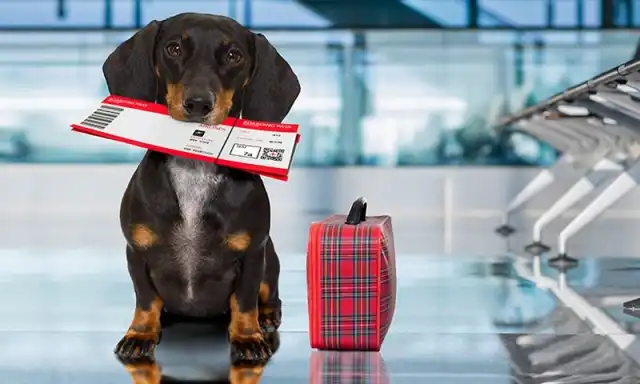
tail wagging dog

Tail-Wagging Travel: Top Destinations for Dog Owners to Enjoy Local Cuisine and Scenic Views

Tail-Wagging Travel: Top Destinations for Dog Owners to Enjoy Local Cuisine and Scenic Views

30 seconds summary

  • This piece highlights dog-friendly travel spots where pet owners can savor local flavors while exploring scenic landscapes. 
  • From coastal towns with outdoor cafés to mountain retreats with trails and patios, it blends foodie experiences with pet-friendly amenities. 
  • The destinations chosen ensure both humans and dogs can enjoy vibrant culinary scenes, welcoming accommodations, and breathtaking views, making travel a shared adventure rather than a compromise.


If your idea of a perfect getaway includes sunrise trails, long café lunches, and a happy pup napping under the table, this guide is your game plan. Below, you’ll find richly walkable, food-obsessed, scenery-blessed destinations around the world that actually welcome dogs—plus practical tips (including a special section for Doberman puppies) so your adventures are easy on paws and people alike.

How to pick a dog-happy destination (in 5 quick checks)

  1. Public-space rules. Look for places with clear leash policies, off-leash zones, and dog-friendly transit—these three signals predict an easier trip. (You’ll see examples below from U.S. national parks, UK/Swiss rail, and city beach rules.)
  2. Walkability + viewpoints. Trails, promenades, and waterfronts multiply your options for dog-friendly time outdoors.
  3. Café culture & patios. Where outdoor dining is woven into everyday life, dogs tend to fit right in.
  4. Climate & terrain. Hot sand, alpine scree, or crowded city heat can all be tough on paws—match your trip to your dog’s fitness.
  5. Emergency basics. Save a nearby vet, know local 24/7 clinics, and check any wildlife cautions (bears, coyotes, snakes, heat).

North America: mountains, coasts, and microbrews

1) Carmel-by-the-Sea, California, USA

Why it’s great: One of the most storied dog-friendly beach towns in America. Miles of white sand at Carmel Beach, lots of water bowls outside shops, and restaurants that don’t blink when you show up with a well-mannered floof. Expect views from the cypress-dotted bluffs and a constant ocean breeze. The city actively embraces “Dog Heaven on Earth,” and local/official guides call out pet-friendly hotels, patios, and beaches. 

Cuisine pairing: Cioppino or abalone (for you), a plain, unseasoned bite of grilled fish (for the dog). Avoid garlic/onions and salty sauces.

Signature scenic stroll: Late-day loop from Ocean Ave down to the beach; watch the color wash across the bay as your pup digs in the cool sand.

2) Bar Harbor & Acadia National Park, Maine, USA

Why it’s great: Acadia is one of the most pet-friendly U.S. national parks, with over 100 miles of trails and carriage roads where leashed dogs can join rare among national parks. Wake to pink granite cliffs, loop Jordan Pond, and split a blueberry pie in town afterward (blueberries plain = dog-safe treat). Check the park’s official pet page before you go.  

Cuisine pairing: Maine lobster roll for you; a nibble of plain, cooked lobster (no butter/seasoning) for the dog.

Scenic must: Sunrise at Cadillac Mountain (book ahead in season), or the Ocean Path with sea spray and gulls wheeling overhead. 

3) Asheville, North Carolina & the Blue Ridge Parkway (USA)

Why it’s great: A walkable mountain city wrapped in ridgelines and waterfalls—and home to a legendary craft beer scene with loads of dog-friendly patios. The Blue Ridge Parkway links overlook after overlook; dogs are welcome on parkway trails when leashed. In town, breweries commonly host dogs on patios perfect after river walks or Pisgah Forest hikes.

Cuisine pairing: Appalachian trout, farm-to-table plates, and brewery food-truck snacks.

Scenic must: Sunset at Craggy Gardens or a lazy float on the French Broad, then a patio tasting flight under string lights. 

4) Sedona, Arizona (USA)

Why it’s great: Red-rock amphitheaters in every direction and tons of on-leash trail access in the Coconino National Forest surrounding town. Many Sedona restaurants maintain pet-friendly patios—some even have dog menus—so you can tuck into Southwestern fare while your co-pilot gets a house “pup patty.” 

Cuisine pairing: Prickly-pear margarita (you), plain grilled chicken patty (dog). Skip spicy salsas, onions, and anything with xylitol.

Scenic must: Early-morning Bell Rock or Courthouse Butte loop to beat the heat (carry extra water and watch for hot sandstone).

5) Portland, Oregon (USA)

Why it’s great: Portland’s parks and neighborhoods are stitched together by off-leash areas and riverside paths, and the city’s official tourism board keeps an up-to-date pet-friendly guide. The food-cart culture means al-fresco lunches are everywhere, and breweries/cafés often welcome leashed dogs outside. 

Cuisine pairing: Food-cart ramen or Thai for you; for the dog, stick to a cooled, plain bit of chicken or egg—no scallions or garlic.

Scenic must: A Willamette waterfront walk, forested Washington Park trails, or a day-trip east to waterfalls in the Gorge (verify leash rules by site). 

6) Banff & the Canadian Rockies (Canada)

Why it’s great: Banff’s glacier-cut valleys and turquoise lakes are jaw-dropping and dogs are welcome on most trails when leashed. Towns offer patios with alpine views; you’ll find dog parks for off-leash zoomies. Keep wildlife etiquette tight here, elk, bighorn, and bears all pass through.

Cuisine pairing: Alberta beef, bannock, or poutine for you. For dogs, keep it simple: a few bites of unseasoned meat; skip salty cheese/gravy.

Scenic must: Lake Minnewanka loop or the Bow River pathway at golden hour; in shoulder seasons, crunch frost underfoot while your dog sniffs spruce.

Europe: cafés, castles, and rail-ready pups

7) The Lake District, England (UK)

Why it’s great: Crisscrossed by classic fells, tarns, and stone walls, the Lakes are a dream for long days outside with dog etiquette woven into signage and advice. Many pubs will happily serve you post-hike pies while your four-legged friend naps by the fire. 

Transit bonus: In Britain, dogs travel free on most trains (limits apply; check your operator), making car-free rambles doable. 

Scenic must: Ambleside to Loughrigg Terrace above Grasmere for glassy-water views, then a pub garden lunch.

8) Munich, Germany

Why it’s great: An ordered city with expansive parks (Englischer Garten) and a beer-garden tradition that’s remarkably dog-friendly there’s even a mini-Hofbräuhaus nicknamed the “dog beer garden.” Bavarian plates, shady chestnut trees, and your pup curled under the shared table: bliss. 

Cuisine pairing: Pretzels and roast chicken (you), a pinch of plain chicken skin-off (dog). Avoid onions/chives in potato salads.

Scenic must: Isar riverbanks at sunset, then a beer garden bench as surfers carve the Eisbach wave nearby. 

9) Paris, France

Why it’s great: Terrace culture is alive and well; many restaurants and cafés admit dogs at their discretion, especially outdoors (watch for signage that forbids them). That means you can sip a café crème while people-watching with a snoozing dog at your feet. 

Cuisine pairing: Cheese board, steak-frites, or a buttery croissant (you). Dogs can have a tiny taste of plain steak—no sauce, no shallots.

Scenic must: A Seine-side stroll or sunrise on the Île Saint-Louis; when in parks, always verify local leash/zoning rules.

10) Cinque Terre, Liguria (Italy)

Why it’s great: Five cliff-hugging villages strung by sea-view paths and trains with on-leash dog access on many trails. You’ll taste pesto in its birthplace and drag your jaw off the floor at every viewpoint. (Check which sections are open before you go; closures happen.) 

Cuisine pairing: Trofie al pesto for you; your dog gets a bite of plain focaccia (no onions/olives) or plain fish.

Scenic must: Monterosso Vernazza section for balcony-over-blue views; ferry rides run seasonally and may admit leashed dogs, ask at the pier. 

11) Zermatt, Switzerland

Why it’s great: Car-free streets and hyper-dog-friendly public transport make it effortless. Switzerland’s rail network even sells a Dog Day Pass for unlimited travel; around Zermatt, well-behaved dogs are commonly allowed on mountain transport (always check each operator). 

Cuisine pairing: Rösti or raclette for you; a tidbit of plain, cooked potato or beef for the dog—skip salty cheeses.

Scenic must: Gornergrat railway for Matterhorn megaviews; grab a sun terrace at a mountain hut where dogs are typically welcomed outdoors. Zermatt

Asia & Oceania: smart planning pays off

12) Karuizawa (Nagano), Japan

Why it’s great: A cool-climate resort town a short shinkansen hop from Tokyo, with pet-friendly shopping areas, dog runs, and hotels. JR East has tried special pet-friendly train services; on regular services, pets typically travel in carriers. Always check current JR guidance.

Cuisine pairing: Fancy kissaten coffee and mountain-fresh soba (you). For dogs: small bites of plain chicken or egg; avoid soy/garlic.

Scenic must: Bike paths and forest parks near Hoshino; crisp autumn leaves and mellow summer air make this a canine comfort zone. 

13) Sydney & Melbourne, Australia

Why they’re great: Australia’s big cities are mixing dog-friendly walks and cafés with access to ocean viewpoints. Around Sydney, you can stitch together harborside promenades and coastal walks (note: dogs are generally not allowed on national park beaches, but many footpaths welcome leashed dogs). Melbourne’s scene adds dog-centric cafés and off-leash beaches (seasonal hours/areas apply). 

Cuisine pairing: Flat whites and fish-and-chips (you). A plain chip of white fish (dog); avoid batter, salt, and onion powder.

Scenic must: Sydney’s Bondi-to-Coogee walkway (dogs on the path, not on most sands); in Melbourne, bayside sunsets and a treat stop at a dog café.

Latin America & Africa: parks, plazas, and world-class wine

14) Mexico City, Mexico

Why it’s great: Roma/Condesa are leafy, café-dense neighborhoods where dogs are practically part of the street scene. Stroll Parque México and Parque España, browse galleries, then hit a pet-friendly patio for tacos al pastor (you) and a plain chicken bite (dog). In sprawling Bosque de Chapultepec, dogs are welcomed on certain paths and times—check the latest local guidance. 

Scenic must: Golden hour along Avenida Ámsterdam’s oval; it’s a loop built for people-watching and gentle trotting. 

15) Cape Town & the Winelands, South Africa

Why it’s great: Mountain-at-your-back, ocean-at-your-feet views and clearly zoned dog beaches so you know exactly where leashes are required and when off-leash is allowed, many wine farms around Stellenbosch/Franschhoek welcome dogs in outdoor seating, making it easy to pair vineyard views with a lazy lunch, Table Mountain National Park designates dog-walking areas; check maps/permitting before you go. 

Cuisine pairing: Cape Malay curries and braai boards (you). Dogs get small pieces of plain boerewors, ideally low-salt, no spices.

Scenic must: Chapman’s Peak Drive lookouts and Noordhoek/Long Beach at off-peak times (follow posted dog rules). 

Eat like a local—safely (for dogs)

  • Absolutely avoid: chocolate/cocoa, grapes/raisins, onions/garlic/chives/leeks, xylitol sweeteners (often in gum/desserts), alcohol, macadamia nuts, rich fatty scraps (pancreatitis risk), and anything spicy.
  • Usually safe in small, plain portions: cooked proteins (chicken, beef, fish), egg, plain rice/pasta, carrots, cucumber, blueberries, apples (no seeds).
  • Restaurant hack: ask for unseasoned meat or egg on the side and bring your own collapsible bowl.
  • Hydration: different water mineralities can unsettle stomach carry bottled water for sensitive pups.
  • “Pup menus” exist! A handful of patios (e.g., Sedona) even offer dog patties or omelets. Always verify ingredients.

Logistics that make trips smoother

Documents & health: Up-to-date rabies certificate, core vaccines, microchip where required, and any import formality (ask your vet). For Mexico specifically, check current entry requirements and health certificates if flying in from outside North America. 

Transit know-how:

  • Switzerland: Buy a Dog Day Pass to ride trains, boats, and buses together.
  • UK: Dogs ride for free on most rail services; follow lead/space etiquette and operator-specific rules.
  • Japan: JR East has trialed special pet-friendly trains; routine services typically require a carrier and size limits. Check the current JR guidance before travel.

Paw care & comfort: Booties for hot rock or snow, a quick-dry mat for patios, and a pack towel. In desert or summer cities, schedule hikes at dawn/dusk and test surfaces with your hand.

Wildlife etiquette: In places like Banff or Acadia, leashes protect wildlife, and your dog always complies with posted rules. 

Local laws change. City councils and park agencies update dog access routinely (beaches, promenades, national parks). Scan the official site a day or two before you go; Cape Town and New Zealand DOC are good examples of clear, published rules.

Sample scenic-and-snacky days (you + dog)

Carmel-by-the-Sea

  • Morning: Off-leash play (good recall required) on Carmel Beach; rinse paws at the top showers.
  • Lunch: Fish tacos on a patio downtown; plain fish for your pup.
  • Afternoon: Point Lobos overlooks (dogs aren’t allowed on trails, choose scenic pullouts and nearby dog-friendly walks instead), then a cappuccino in the village.

Munich

  • Morning: Englischer Garten meander and Isar splash.
  • Lunch: Beergarden under chestnuts (many allow dogs).
  • Afternoon: Old Town loop (Marienplatz, Viktualienmarkt), then a riverside sunset.

Acadia/Bar Harbor

  • Morning: Carriage road trot to a stone bridge.
  • Lunch: Lobster roll at a pet-friendly patio in town.
  • Afternoon: Ocean Path (leashed), and a bakery stop for your plain blueberry or peanut-butter dog biscuit for them. 

Special notes for Doberman puppies

Dobermans are brilliant, athletic, and intensely people-oriented—fantastic travel companions when you plan for their specific needs, especially during puppyhood.

  • Socialization (but thoughtfully). Choose calm patios, short café sits, and quiet overlooks. Praise neutral behavior as people and other dogs pass.
  • Growth plates & exercise: Until your vet clears higher impact activity (often around 12–18 months), avoid big stair sets, jumping off ledges, or forced running on hard surfaces. Opt for flat scenic walks and soft trails.
  • Heat & cold: Short coats mean limited insulation. Pack a cooling vest for desert trips (Sedona) and a light coat for alpine mornings (Zermatt, Banff).
  • Impulse control around wildlife & bikes: Doberman puppies can be keen chasers; practice sit-watch-treat drills at overlooks and promenades.
  • Space management at cafés: Park your puppy’s mat under the table edge on the “traffic-away” side so they’re not stepped on.
  • Breed-specific rules: While Dobermans aren’t commonly on restricted lists compared with some other breeds, always check city/airline/accommodation policies in advance.
  • Crate = den: A lightweight, soft-sided crate turns hotel rooms into a routine-friendly space; it’s also safer if you need to leave briefly (where allowed).
  • Noise sensitivity: Train to city sounds with low-volume recordings before a trip to urban destinations like Paris or Mexico City.
  • Feeding on the move: Bring your usual diet and transition slowly if trying new foods; the worst time for GI experiments is mid-flight or mid-trial.

Destination “cheat sheet” (scenery × food × dog policy highlights)

  • Carmel-by-the-Sea (USA): White-sand beach, off-leash zones with recall; patio-heavy dining.
  • Acadia/Bar Harbor (USA): Unusually pet-friendly national-park trails; classic New England fare; dramatic coast.
  • Asheville + Blue Ridge (USA): Leashed dogs on Parkway trails; brewery patios; waterfall day trips.
  • Sedona (USA): Coconino NF trails (leashed); dog-menu patios; red-rock panoramas.
  • Portland (USA): City-backed pet-friendly resources; parks and riverside walks; food-cart culture.
  • Lake District (UK): Pub culture, fell walks, dog etiquette guidance; dogs ride free on most trains.
  • Munich (Germany): Beer gardens that welcome dogs; vast parks; hearty Bavarian cuisine.
  • Paris (France): Café terraces commonly allow dogs at owner’s discretion; check signage.
  • Cinque Terre (Italy): Coastal footpaths with dog access (leashed); pesto and seafood.
  • Zermatt (Switzerland): Dog Day Pass on Swiss transit; mountain terraces with Matterhorn views. 
  • Sydney/Melbourne (Australia): City coastal walks; dog cafés; off-leash beaches (zoned).
  • Mexico City (Mexico): Leafy parks and pet-friendly patios in Condesa/Roma; museum-packed vistas in Chapultepec (check dog zones).
  • Cape Town & Winelands (South Africa): Posted beach dog zones; dog-friendly wine farms; Table Mountain dog-walking areas.

Travel etiquette that wins you instant friends (and keeps access open)

  • Leash where required, short lead in crowds. National parks and promenades depend on compliance to keep access open.
  • Ask before greeting. Not all dogs are social; yours shouldn’t rush another table or trail user.
  • Place your dog, don’t “park” the leash. Tie-offs to chair legs are risky. Use your foot on the leash or a waist belt.
  • Leave no trace. Always pack out waste; many cities fine for non-compliance (Portland does).
  • Respect local wildlife. Even sniffing can disturb nesting birds or stress deer. New Zealand’s DOC and Canada’s Parks set the model for clear dog-wildlife rules; copy their best practices wherever you go.

Final packing list (dog edition)

  • ID & docs: Microchip number, vax proof (rabies), regional health certificate if needed, insurer contact.
  • Comforts: Mat, collapsible bowls, favorite chew, quick-dry towel, booties (hot/cold/rough terrain).
  • First aid: Tweezers for burrs/ticks, antiseptic wipes, vet-advised meds for carsickness or sudden diarrhea.
  • Safety: High-visibility leash & collar, night blinker, and a secure harness (front-clip helps with polite café manners).
  • Weather: Cooling vest (desert), light coat (alpine or winter city), paw balm.
  • Command refreshers: “Leave it,” “Under” (for cafés), solid recall.

Final Thoughts

You don’t need to choose between world-class views and memorable meals to give your dog the trip of a lifetime. From Acadia’s pink-granite coast to Munich’s beer-garden shade, from Carmel’s off-leash surf to Zermatt’s mountain terraces, there are plenty of places where a well-mannered dog is as welcome as a local sometimes more. With a little planning, Doberman puppies and senior couch-potatoes alike can pad beside you through markets and along cliff paths, then curl up under a café table while you order something delicious you’ll remember for years.

Find best restaurants

fine dining

Elegant Nights Out: Dressing for Fine Dining Experiences

30 seconds summary

  • Dressing for a fine dining experience is about more than just selecting an outfit, it’s about creating an elegant, sophisticated presence that complements the atmosphere. 
  • For women, a timeless Brille dress made from luxurious fabrics like silk or satin can provide a refined, minimalist look, while men should opt for well-tailored suits or blazers. 
  • Accessories, grooming, and understanding the venue’s dress code are key to refining your style. Ultimately, confidence and poise elevate the overall experience, ensuring you feel as sophisticated as the dining event itself.

Fine dining is not just about food; it’s an experience that encompasses ambiance, service, and the attire that complements the atmosphere. A night out at a high-end restaurant or a luxurious dining event involves more than simply selecting a table to sit at and ordering food; it’s an opportunity to immerse yourself in sophistication, indulge in delectable culinary masterpieces, and create memories that linger. One of the most significant aspects of this experience is dressing appropriately. What you wear sets the tone for the evening and communicates respect for the occasion and those around you.

In this article, we will explore how to dress for fine dining experiences, with a particular focus on the art of achieving elegance through clothing choices. From selecting the right attire for both men and women to considering various accessories, we’ll delve into the details that elevate a night out to an elegant dining experience.

Understanding Fine Dining Etiquette

Before diving into fashion specifics, it’s important to understand the context of fine dining. Fine dining restaurants are known for their exceptional quality of food, impeccable service, and luxurious atmosphere. They often feature carefully curated environments with dim lighting, upscale décor, and a sophisticated ambiance. Some high-end dining establishments enforce specific dress codes to maintain this elevated environment. These dress codes may vary, but common themes include:

  1. Formal Attire: Many fine dining venues prefer formal or semi-formal clothing. This could mean a suit and tie for men or a dress and heels for women. 
  2. No Casual Wear: Casual clothing like jeans, t-shirts, and sneakers are typically not allowed in fine dining settings. 
  3. Attention to Detail: There may also be specific expectations related to grooming, such as neatly styled hair and minimal or tasteful jewelry. 

By understanding the etiquette surrounding fine dining, you can select the right clothing that aligns with the venue’s expectations while still showcasing your personal style.

The Power of a Brille Dress: Women’s Evening Attire

A Brille dress is a term that refers to a particular style of dress known for its timeless elegance, often characterized by simple yet refined lines, luxurious fabrics, and a flattering silhouette. For women, a Brille dress can be the ultimate choice for an elegant night out, especially in fine dining settings. The beauty of a Brille dress lies in its versatility; it can be worn to various upscale events, from intimate dinner dates to large galas. A well-chosen Brille dress strikes the perfect balance between understated sophistication and modern glamour.

When selecting a Brille dress for a night out, consider these tips:

  1. Fabric Selection: The fabric is a crucial component when choosing a dress for fine dining. For an elegant look, opt for materials such as silk, satin, velvet, or high-quality cotton. These fabrics lend an air of refinement and ensure the dress drapes beautifully on your body. 
  2. Fit and Silhouette: The fit of your Brille dress should be tailored to your body shape. A dress that is too tight or too loose may look unflattering and distract from the polished appearance you desire. A classic A-line or sheath dress works well for most body types and enhances a chic silhouette without compromising comfort. 
  3. Color Choices: While black is always a safe and classic option, don’t be afraid to experiment with rich jewel tones like emerald, sapphire, or ruby. These colors exude luxury and create a striking contrast with the restaurant’s elegant ambiance. 
  4. Minimalist Detailing: A Brille dress is known for its minimalist aesthetic. Avoid overwhelming your outfit with excessive ruffles, embellishments, or patterns. Instead, choose dresses with clean lines, a simple neckline, and delicate detailing like lace trims or subtle beading. 
  5. Length: For evening occasions, a knee-length or full-length dress is typically appropriate. Short dresses may be acceptable in some settings, but for the most part, long gowns or midi-length dresses add an extra touch of formality and sophistication. 

Accessorizing with Elegance

Accessories are the finishing touches that elevate any outfit. While your Brille dress may serve as the centerpiece of your ensemble, the right accessories will enhance its elegance and complete your look.

Jewelry: Keep jewelry understated but impactful. A pair of classic pearl earrings or diamond studs can add just the right amount of sparkle without competing with your dress. For necklaces, choose delicate chains or a simple pendant. Avoid large, statement pieces unless the dress itself is minimalistic enough to allow such bold accessories.

Shoes: When it comes to footwear, opt for elegant yet comfortable heels. A pair of classic pumps or strappy sandals in neutral tones such as black, nude, or metallic gold will ensure you remain stylish while maintaining comfort throughout the evening. Heels not only add height but also help refine your posture, further contributing to your overall elegance.

Clutch Bags: A small, sleek clutch is the ideal accessory for a fine dining outing. It’s both functional and chic, offering just enough space for essentials like your phone, lipstick, and credit card. Look for clutches that complement your dress, whether they are metallic, jeweled, or adorned with fine embroidery.

Outerwear: If you’re dining in cooler weather, consider layering your Brille dress with a classic tailored coat or a shawl made of luxurious materials like cashmere or wool. A well-fitted coat adds an air of refinement and ensures you stay warm on your way to the venue without sacrificing style.

Men’s Evening Attire: Looking Dapper for Fine Dining

For men, dressing for fine dining requires a similar attention to detail. A refined and polished appearance is essential, and the choices are slightly more defined in terms of formality. The key to men’s evening attire is selecting pieces that exude sophistication without being overly flashy.

  1. Suits and Blazers: A well-tailored suit is the cornerstone of any fine dining ensemble. Dark colors like black, navy, or charcoal gray are timeless and appropriate for most upscale dining establishments. For a slightly more relaxed atmosphere, a tailored blazer paired with dress trousers can still convey an elegant vibe. 
  2. Shirts and Ties: A crisp, white dress shirt is a classic choice. However, don’t shy away from subtle patterns or pastel hues for a more contemporary look. When pairing your shirt with a tie, opt for a silk tie with a tasteful design, such as stripes, a simple pattern, or a solid color that complements your suit. 
  3. Shoes and Socks: Polished leather shoes are a must for a fine dining experience. Black oxfords or brogues are ideal choices. Your socks should match the color of your trousers or shoes, but avoid bold patterns that could draw attention away from your polished look. 
  4. Pocket Squares and Cufflinks: A pocket square can add personality and flair to a suit. Stick to simple folds in solid colors or subtle patterns that don’t compete with your tie. Cufflinks are also an excellent way to add a touch of elegance to your outfit, but be sure to keep them understated and in line with the overall style of your attire. 
  5. Outerwear and Accessories: As with women’s attire, outerwear for men should be tailored and sophisticated. A wool overcoat or a tailored trench coat can help complete your look. A simple leather wallet, elegant watch, and leather belt will tie your outfit together without overwhelming it. 

Hair, Makeup, and Grooming

Looking your best goes beyond your outfit. Personal grooming plays an essential role in the overall elegance of your look. For both men and women, taking the time to ensure your hair is neatly styled and your makeup is tasteful can make all the difference.

  1. Hair: Neat, well-groomed hair is a sign of attention to detail and personal care. Women may opt for an updo, soft waves, or a sleek, straight style, depending on the dress and occasion. Men should keep their hair clean, trimmed, and styled in a way that complements their facial features and overall look. 
  2. Makeup: Makeup should enhance natural beauty and reflect the occasion’s formality. For a fine dining evening, consider a classic look—neutral tones for the eyes, a soft blush, and a bold lip color like red or berry for a pop of sophistication. Men, too, can benefit from good skincare and perhaps a touch of foundation or concealer for a flawless complexion. 
  3. Fragrance: A subtle fragrance can leave a lasting impression, but avoid overpowering scents. Light florals, citrus notes, or soft musks work well for an evening out. Choose a fragrance that’s elegant but not overwhelming. 

The Role of Confidence

No matter how beautiful your Brille dress is or how perfectly your suit fits, confidence remains the key to truly owning your look. The most important part of dressing for a fine dining experience is walking into the restaurant with poise and grace. Confidence shines through in how you carry yourself, how you interact with others, and how you enjoy the experience. When you feel good in what you’re wearing, it shows, and this enhances the elegance of the evening.

The Significance of Dining Etiquette in Dress

In addition to selecting the perfect outfit, understanding dining etiquette is key to ensuring that your attire matches the sophistication of the setting. Fine dining restaurants often place a strong emphasis on etiquette, which complements the elegant dress code. Knowing the proper table manners and how to behave in such settings can enhance the overall experience, making it even more enjoyable.

For example, in a fine dining setting, it’s customary to dress in a way that does not draw attention for the wrong reasons. This means that while your outfit should be eye-catching in its elegance, it should not be flashy or distracting. Avoid excessive jewelry, such as large bangles or earrings that might clang while eating, as this could detract from the experience for both you and the people around you. In terms of fragrances, while a scent can be alluring, it should not overpower the delicate aromas of the meal being served. When dining in such establishments, it’s crucial to strike a balance between refinement and restraint, ensuring that you enhance your presence without overshadowing the dining experience itself.

Seasonality and Fabrics for Different Climates

The season and climate play a critical role in deciding what to wear for a fine dining event. In colder months, layering is essential for both comfort and style. For women, a long, elegant coat in a neutral color can complement a Brille dress beautifully. Opt for fabrics such as wool, cashmere, or velvet, which provide warmth while still maintaining a polished look. For an additional touch of refinement, choose coats with subtle detailing such as gold buttons or delicate stitching.

Men also need to consider outerwear in colder months. A tailored wool coat or trench coat is ideal, as it can be worn over a suit without losing its formal look. Pair this with leather gloves and perhaps a silk scarf to elevate the look even further. A luxurious outer layer sets the tone before even stepping inside the restaurant, making an excellent first impression.

For warmer weather, lighter fabrics such as linen or lightweight wool are ideal. These fabrics allow for comfort without compromising on elegance. A linen suit for men can look particularly stylish during spring and summer, while women may opt for dresses made from silk or satin, which breathe well while keeping the look sophisticated. In these seasons, the emphasis is on breathable fabrics that still offer structure and formality. A summer Brille dress made from airy silk can have the same sophisticated vibe as a heavier winter version, but with a fresher, lighter feel.

Understanding Dress Codes Beyond Black Tie

Fine dining restaurants can vary in their dress codes, and it’s crucial to research each venue beforehand to ensure you’re appropriately dressed. While black-tie events are commonly associated with formal dining, not all fine dining experiences require a tuxedo or gown. Some restaurants may call for “smart casual” or “business casual” attire. This means that while you don’t need to wear a full tuxedo or floor-length gown, you should still opt for well-tailored, upscale clothing.

For women, this might mean a stylish cocktail dress or a chic blouse paired with tailored trousers or a midi skirt. For men, a suit without the tie or a blazer paired with well-fitted trousers could be an excellent choice. The key is to look polished, put-together, and respectful of the restaurant’s ambiance. Always aim for elegance, even if the dress code is less formal.

Conclusion

Dressing for a fine dining experience is more than just putting together an outfit—it’s about creating an aura of sophistication, respect, and grace. A Brille dress, with its understated elegance, can be the perfect choice for women seeking to embody refinement, while men should focus on well-tailored suits, polished shoes, and meticulous grooming to achieve the ultimate refined look.

As you prepare for your next elegant night out, remember that your attire should reflect the occasion’s importance and enhance your overall experience. With the right clothing, accessories, and confidence, you’ll undoubtedly make a statement that resonates long after the last course is served.

Find best restaurants.

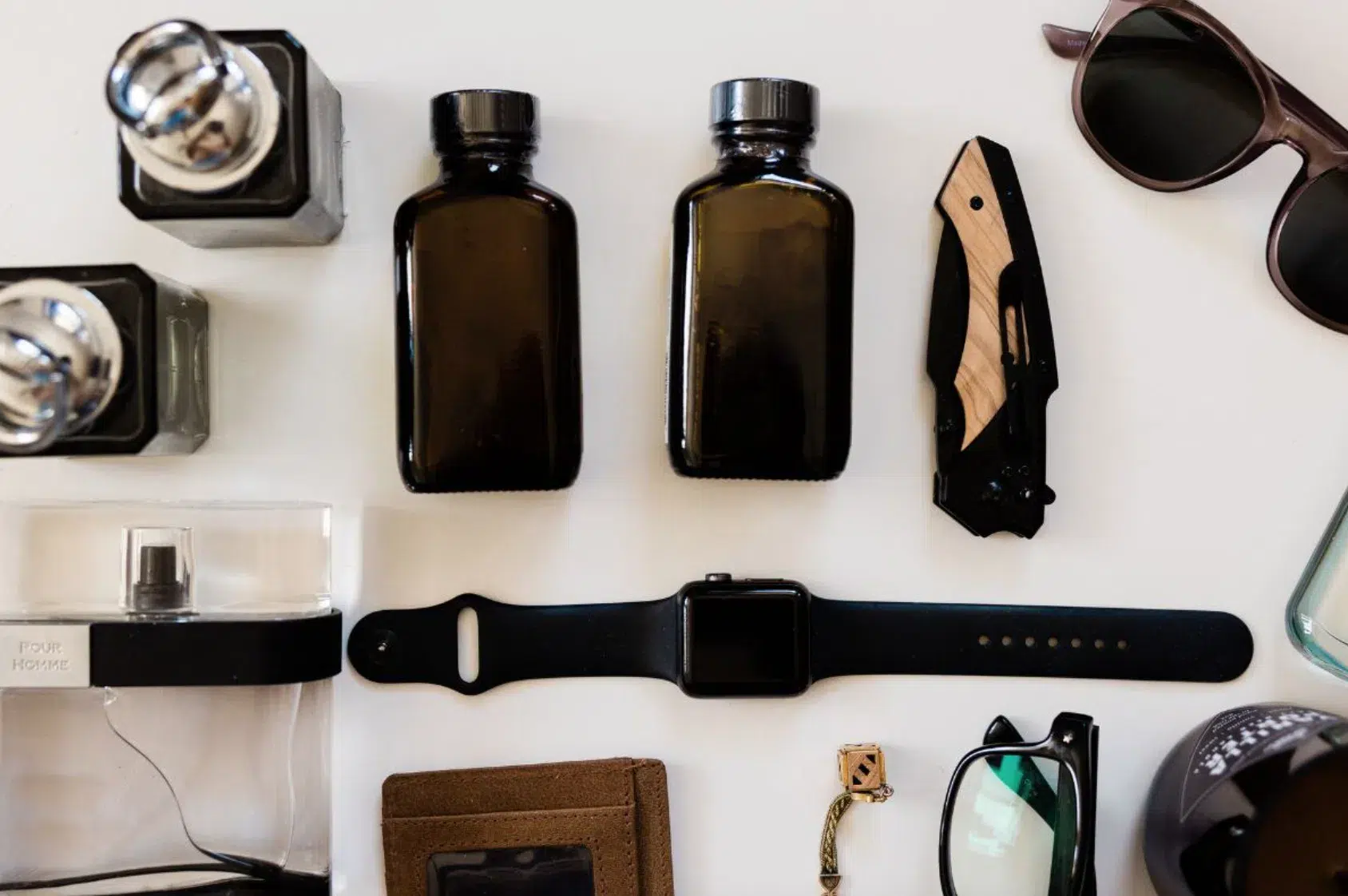
Travel Accessories

Top 10 Must-Have Travel Accessories for Foodies Exploring Global Cuisines

Introduction

For passionate foodies, travel is not just about exploring new places but also about diving into the rich tapestry of global cuisines. Each country offers its own unique set of flavors, ingredients, and culinary techniques, providing food lovers with an opportunity to experience something new with every trip. Whether you’re savoring street food in Thailand, indulging in pasta in Italy, or enjoying fresh sushi in Japan, the right travel accessories can make all the difference in your food exploration journey.

As a foodie, you’re not just a tourist; you’re an explorer of flavors. Your taste buds are your compass, guiding you to the most delicious experiences around the globe. But to truly maximize your travel experience, it’s essential to come prepared with the right tools. From keeping your snacks fresh on long flights to capturing those unforgettable food moments, certain travel accessories are a must for anyone serious about global cuisine.

In this article, we’ll explore the top 10 must-have travel accessories for foodies. These items will help you enjoy your food-focused adventures while ensuring that you have all the tools necessary for a seamless, stress-free culinary journey. And, for the food-loving professional, we’ll even touch on how your corporate backpack can play an important role in managing your culinary travel essentials.

1. Portable Spice Kit

When traveling to new destinations, you may come across new flavors that spark a desire to recreate those dishes at home. A portable spice kit is one of the most essential tools for any foodie on the go. Many regional dishes are defined by their spices, and having your favorite seasonings with you can help enhance the local meals or bring a piece of the trip back home.

A portable spice kit typically contains small containers that are compact enough to travel with but large enough to hold an ample amount of your favorite spices. You can fill these with your go-to spices like cumin, paprika, chili flakes, or even a blend of curry powder. In addition, it’s often helpful to include a small jar of sea salt and pepper as well, ensuring you can add a familiar flavor to any meal while abroad.

For a foodie, a spice kit allows you to not only season your meals on the go but also connect more deeply with the cuisines you are exploring by incorporating the ingredients that make each dish unique.

Travel Tip:

When packing your spice kit, be sure to check the regulations for carrying spices through customs, as some countries have restrictions on certain food products.

2. Collapsible Water Bottle

Staying hydrated is essential when traveling, especially if you’re indulging in a variety of rich and flavorful foods. A collapsible water bottle is a perfect travel accessory for foodies, as it can easily be stored in your bag when not in use, taking up minimal space. Many collapsible bottles are made from durable silicone or other flexible materials, making them leakproof and easy to carry.

Having your own water bottle also ensures that you can stay hydrated while navigating the streets of foreign cities in search of food. It’s also a great option when you’re visiting areas where bottled water may not be readily available, and it’s more eco-friendly than purchasing disposable plastic bottles.

Travel Tip:

If you’re in a country with high temperatures or spicy food, having a collapsible water bottle on hand is crucial to help balance the heat and refresh yourself between meals.

3. Compact Food Storage Containers

Foodies often enjoy bringing back local delicacies or street food from their travels, either to savor later or to share with loved ones back home. A set of compact food storage containers is a game-changer. These containers allow you to store small portions of your culinary discoveries, such as leftover street food, fresh ingredients, or even delicacies you plan to bring home as souvenirs.

Look for containers that are airtight, leakproof, and stackable. They come in various sizes, so you can choose ones that fit your needs, whether you’re bringing back pastries from France or a jar of truffle oil from Italy.

Travel Tip:

You might also want to invest in vacuum-sealed bags to keep food fresh for longer, especially if you’re traveling long distances or are unsure of refrigeration options.

4. Food Tasting Journal

A food-tasting journal is an excellent accessory for any foodie. While traveling, you’ll encounter new dishes, flavors, and experiences that are worth remembering. Writing these experiences down allows you to reflect on your culinary journey and keeps track of dishes you want to try again or recreate at home.

A compact food journal can fit easily into your corporate backpack or day bag. You can jot down notes about the taste, texture, presentation, and even the setting in which you had the meal. For food lovers, this journal becomes a treasure trove of memories and a reference for future meals.

Travel Tip:

Pair your food-tasting journal with a portable pen and even a small camera or phone to snap pictures of the dishes, giving you both visual and written memories.

5. Travel-Friendly Coffee Maker

For many travelers, coffee is not just a drink—it’s an experience. If you’re someone who enjoys starting your day with a cup of freshly brewed coffee, bringing along a travel-friendly coffee maker can elevate your food-focused travels. There are compact travel coffee makers that are lightweight and easy to carry, such as French presses, pour-over kits, or even small espresso machines.

Having your own coffee maker ensures you can enjoy a quality brew no matter where you are. Whether you’re in a bustling city or in a remote village, you’ll never have to settle for subpar coffee again.

Travel Tip:

Look for coffee makers that are durable and versatile, like those that come with a reusable filter or a manual brewing method.

6. Reusable Utensils and Chopsticks Set

Disposable cutlery is often used when eating out, but for eco-conscious foodies, a reusable set of utensils or chopsticks is a must. Whether you’re enjoying a meal in a street food market or dining at a local restaurant, having your own reusable utensils eliminates the need for single-use plastic, which is harmful to the environment.

A travel utensil set is usually made from durable materials like stainless steel, bamboo, or titanium. Some sets even come with a travel case to keep everything organized in your corporate backpack or daypack. This accessory is both environmentally friendly and practical, ensuring you have everything you need to enjoy your meal.

Travel Tip:

Ensure your utensils are dishwasher safe and lightweight, so they’re easy to clean and carry on your journey.

7. Insulated Food Carrier Bag

If you’re planning to bring back local specialties like sushi, pastries, or even pre-packed meals, an insulated food carrier bag can help keep your food fresh and at the right temperature. These bags are designed to maintain the temperature of your food for hours, allowing you to transport hot or cold items without worrying about them losing their quality.

Many insulated bags are lightweight and foldable, making them easy to pack away when not in use. Whether you’re bringing back a piece of pie from a bakery in the UK or some spicy tamales from Mexico, an insulated food carrier bag will keep your culinary discoveries intact.

Travel Tip:

Look for bags with adjustable straps so you can comfortably carry them on your shoulder or sling them across your back.

8. Portable Electric Griddle or Pan

For foodies who love to cook their own meals while traveling, a portable electric griddle or pan can make cooking on the go a breeze. This compact appliance allows you to quickly prepare fresh meals, whether you’re staying in an Airbnb or need to whip up breakfast in a hotel room.

The versatility of a portable griddle or pan means you can cook a variety of dishes, from pancakes and eggs to stir-fries and grilled sandwiches. It’s especially handy when you’re traveling to places where you want to experiment with local ingredients and flavors but don’t have access to a full kitchen.

Travel Tip:

Choose a model that’s compact and energy-efficient, and ensure it can be used with a plug adapter if traveling abroad.

9. Multi-Compartment Travel Organizer

When traveling, it’s easy for your culinary accessories and gadgets to become disorganized. A multi-compartment travel organizer is a great way to keep everything neat and accessible, whether it’s your spice kit, utensils, or portable coffee maker. These organizers come in different sizes and can be used to store everything from small gadgets to larger items.

A well-organized bag will save you time when you’re rushing to catch a flight or preparing for a food tour. Having your accessories neatly arranged ensures you can quickly find what you need without any hassle.

Travel Tip:

Pick an organizer that has flexible compartments so you can customize it based on what you’re carrying.

10. Portable Food Photography Kit

For foodies who love sharing their culinary adventures with others, a portable food photography kit is essential. Whether you’re capturing the vibrant colors of a Thai curry or the intricate plating of a Japanese bento box, a portable photography kit allows you to take professional-looking food photos without the need for bulky equipment.

These kits usually come with small lighting devices, adjustable stands, and background materials to help create the perfect shot. They are compact and lightweight, making them easy to carry in your corporate backpack or any other travel bag.

Travel Tip:

Look for a kit that includes a tripod and collapsible lightbox for those perfect food shots, even in low-light conditions.

Conclusion

Traveling as a foodie is one of life’s most rewarding experiences. The combination of exploring new cities, immersing yourself in diverse cultures, and tasting exotic dishes is unparalleled. But to truly make the most of your culinary travels, the right accessories are essential. From a portable spice kit to a food photography kit, each of the items we’ve mentioned will help you enhance your food exploration journey.

And don’t forget, your corporate backpack can also play a crucial role in organizing and carrying your travel accessories. With thoughtful preparation and the right tools, you can dive into the world of global cuisine with ease and excitement, ensuring your travel experiences are as delicious as they are memorable.


Crop tops for World Cuisines

Dining in Style with crop tops

The Ultimate Guide to Dining in Style with crop tops: Pairing Fashion with World Cuisines

30 seconds summary

  • The Ultimate Guide to Dining in Style: Pairing Fashion with World Cuisines” blends the art of culinary experiences with fashion sensibilities. It explores how different global cuisines can inspire outfit choices, creating an immersive dining experience.
  • From elegant French dining, calling for refined attire, to vibrant, colorful meals from Latin America that encourage playful, bold fashion, this guide offers practical tips on matching your wardrobe to the dining setting.
  • It emphasizes how the right fashion can elevate the cultural and sensory experience of dining, enhancing both your aesthetic and taste.


Dining out is not just about the food—it’s a cultural experience that engages all of our senses. The ambiance, the setting, the company, and, of course, the fashion we choose to wear all contribute to creating memorable moments. Whether you’re dining at a Michelin-starred restaurant in Paris, exploring the vibrant street food scene in Bangkok, or savoring a fresh sushi platter in Tokyo, your fashion choices should complement the essence of the cuisine.

This guide will explore how to pair fashion with world cuisines, focusing on the idea that what you wear can elevate your dining experience. For a specific touch, we’ll delve into pairing a popular fashion trend, such as crop tops, with different culinary traditions. The intersection of style and food is where creativity meets culture, and it can transform an ordinary meal into something extraordinary.

1. Introduction: The Fusion of Fashion and Food

Fashion and food have always been intertwined in the world of dining, with both contributing to cultural expression and individuality. The pairing of fashion with food can be traced back to the extravagant feasts of the French aristocracy, where the dining experience was as much about showing off wealth and taste as it was about savoring luxurious meals. Today, dining out has become a sophisticated experience for people from all walks of life, and our choices in fashion play a huge part in how we engage with different cuisines.

Why Fashion Matters in Dining

When we dine, our clothing choices can influence the way we experience food. Think about how different textures, colors, and styles can affect your perception of a dish. For example, bright colors may evoke feelings of excitement and energy, while minimalist styles might enhance the elegance of a formal dining setting.

The right outfit not only boosts confidence but can also harmonize with the atmosphere and cuisine you’re about to indulge in, whether it’s the casual vibes of an outdoor café or the refined luxury of a five-star restaurant.

The Role of Crop Tops in Fashion and Dining

One particular fashion trend that has gained momentum in recent years is the crop top. This versatile garment, once synonymous with casual summer days, has evolved into a high-fashion staple that can be styled for a variety of occasions, including dining out. The crop top is an example of how fashion can be playful and creative, allowing individuals to express their personality through clothing. So, how does a crop top pair with world cuisines? Let’s break it down.

2. Pairing Crop Tops with Cuisines Around the World

A. Italian Cuisine: La Dolce Vita

Italy is known for its love of food, and dining here is a social experience. Whether you’re having a leisurely meal of pasta in Rome or enjoying a pizza in Naples, the atmosphere is casual yet full of passion. Italian cuisine is grounded in fresh ingredients, simplicity, and an abundance of flavors, much like Italian fashion.

Fashion Pairing: Crop Tops with a Mediterranean Flair

For an Italian-inspired dining experience, choose a chic, sophisticated crop top with Mediterranean elements like bold stripes or floral prints. A white and navy striped crop top, paired with high-waisted trousers or a flowy skirt, will give off an effortlessly stylish vibe, mirroring the laid-back yet fashionable approach of Italian culture. Add a leather handbag and some simple gold jewelry, and you’re ready to enjoy a meal in the sun.

The Mediterranean aesthetic blends simplicity with elegance, making it the perfect backdrop for a crop top that highlights both your fashion sense and appreciation for the food. Pair this look with a classic Italian dish like pasta alla Caprese, where fresh mozzarella, basil, and tomatoes come together in harmony, much like your outfit.

B. French Cuisine: Elegance Meets Flavors

When it comes to French dining, think of luxurious, refined experiences—whether it’s enjoying croissants in a Parisian café or savoring a multi-course meal at a Michelin-starred restaurant. French fashion is known for its timeless sophistication, with minimalist yet striking ensembles.

Fashion Pairing: Classic Crop Tops with a Parisian Twist
For a French dining experience, go for a crop top with a refined silhouette. A simple, fitted black crop top paired with high-waisted trousers or a pencil skirt is a nod to Parisian style. Think Coco Chanel’s classic elegance combined with modern touches. Add a stylish beret, delicate pearl earrings, and a chic scarf for a touch of French flair.

This outfit pairs perfectly with French cuisine’s delicate yet bold flavors, such as a rich coq au vin or a light yet flavorful escargot appetizer. French dining is about refinement and attention to detail, and your crop top should reflect this sense of understated elegance.

C. Japanese Cuisine: Clean, Minimal, and Elegant

Japanese cuisine is centered around simplicity, balance, and fresh ingredients. Dishes like sushi, sashimi, and tempura are known for their delicate preparation and visual appeal. The Japanese aesthetic extends beyond food to fashion, with an emphasis on clean lines, minimalism, and subtle beauty.

Fashion Pairing: Minimalist Crop Tops with Japanese Influence

When dining in Japan or enjoying sushi, opt for a crop top that follows the principles of minimalism—think neutral colors like white, black, or beige, and clean lines without excessive embellishments. A cropped, oversized top or a sleek, fitted number in muted tones can complement the quiet elegance of Japanese cuisine.

Pair your crop top with high-waisted trousers or a flowing skirt, drawing inspiration from the simplicity and functionality of traditional Japanese garments like the kimono. This outfit reflects the minimalist, Zen-like atmosphere of Japanese dining and lets the food—just like your clothing—speak for itself.

D. Mexican Cuisine: Vibrant, Bold, and Colorful

Mexican food is a celebration of bold, vibrant flavors, often featuring rich spices, fresh herbs, and ingredients like corn, beans, and chili. Mexican culture, with its lively traditions, colorful festivals, and exuberant style, embraces fashion that makes a statement.

Fashion Pairing: Crop Tops with Bold Prints and Colors

When indulging in Mexican cuisine, pair a vibrant, patterned crop top with bold colors—think hot pink, turquoise, or sunny yellow. Look for crop tops with intricate embroidery, bright florals, or playful prints that evoke the spirit of Mexico’s lively atmosphere. High-waisted denim shorts or a colorful skirt will complement the ensemble and reflect the vibrant energy of the cuisine.

This look is perfect for enjoying dishes like tacos, enchiladas, or guacamole, which embody the same zest for life and creativity found in Mexican fashion. A pair of sandals, large statement earrings, and a fun handbag will complete your festive look.

E. Indian Cuisine: Spicy, Rich, and Aromatic

Indian food is renowned for its bold spices, complex flavors, and rich textures. From biryanis to curries, the cuisine is as diverse as the country itself, with each region offering its own signature dishes. Indian fashion is equally diverse, ranging from intricately detailed saris to modern, chic ensembles.

Fashion Pairing: Crop Tops with Exotic and Bohemian Vibes

Pair a bohemian-style crop top with ethnic prints or a sari-inspired blouse for an Indian-inspired dining experience. The key is to embrace vibrant colors like deep reds, golds, and royal blues, which mirror the spices and flavors of Indian cuisine. A cropped blouse with delicate embroidery or beadwork will give you a modern yet culturally rich look.

Pair your crop top with a flowing skirt or wide-legged pants to balance comfort with elegance. This outfit works wonderfully when dining on rich Indian curries, tandoori meats, or even street food like pani puri or samosas. The look will help you immerse yourself in the warmth and vibrancy of Indian dining.

F. Middle Eastern Cuisine: Rich, Flavorful, and Aromatic

Middle Eastern cuisine is known for its use of aromatic spices, fresh herbs, and a wide variety of dishes such as hummus, falafel, kebabs, and tabbouleh. The region’s fashion is just as rich, blending luxurious fabrics with intricate patterns and textures.

Fashion Pairing: Crop Tops with Boho-Chic Vibes

For a Middle Eastern dining experience, choose a crop top that exudes boho-chic vibes, featuring intricate patterns or delicate beadwork. Opt for a flowy, asymmetrical crop top or one with ethnic-inspired designs. This pairing works well with loose-fitting trousers or a maxi skirt, allowing you to embrace the relaxed yet sophisticated ambiance of Middle Eastern dining.

A statement necklace or an embroidered shawl can complete your outfit, adding layers of texture and detail that reflect the richness of the cuisine. This style is perfect for enjoying mezze platters, kebabs, or falafel.

G. Thai Cuisine: Bold, Fresh, and Flavorful

Thai food is known for its balance of sweet, sour, salty, and spicy flavors, with dishes like Pad Thai, Tom Yum soup, and green curry taking center stage. Thai fashion is vibrant and playful, often incorporating colorful prints and flowing silhouettes.

Fashion Pairing: Crop Tops with Tropical and Playful Prints

For a Thai-inspired dining experience, pair a tropical print crop top with high-waisted shorts or a midi skirt. Choose a piece with bold floral patterns or bright, colorful hues, mirroring the freshness and vibrancy of Thai cuisine. Add some simple sandals and layered bracelets to complete the look.

This outfit is perfect for enjoying dishes that are light, fresh, and bold, with flavors that explode in your mouth just as your outfit will stand out. Pairing such a stylish crop top with a flavorful Thai meal will enhance the lively dining experience.

3. Conclusion: Elevating the Dining Experience Through Fashion

Dining in style isn’t just about the food; it’s about the entire sensory experience. From the moment you walk into a restaurant, your outfit sets the tone for the evening. Whether you’re dining in Italy, Japan, Mexico, or Thailand, pairing your fashion with the cuisine elevates the experience, allowing you to fully immerse yourself in the culture of the meal.

Crop tops, with their versatility, offer endless possibilities for blending fashion with food. Whether you’re aiming for the minimalist elegance of Japanese cuisine or the vibrant energy of Mexican street food, your outfit can be the perfect complement to the meal. By choosing the right fashion pieces that match the flavors, colors, and ambiance of the cuisine, you can create a dining experience that is truly stylish and unforgettable.

So, the next time you dine out, think about how your outfit can elevate the experience, making each bite and each moment that much more memorable.

Are you looking for best places to stay when you travel? Find best hotels
Are you looking to buy a property Globally? Find agents
brielle dress

Elevating Your Travel Wardrobe with brielle dress

Elevating Your Travel Wardrobe with brielle dress: What to Wear for Dining in Iconic Destinations

30 seconds summary

  • Elevate your travel wardrobe by dressing with purpose, comfort, and style for unforgettable dining experiences around the world.
  • Whether it’s a flowing Brielle dress in Paris or linen chic in Santorini, the key is versatility, cultural respect, and fabric that moves with you.
  • From Tokyo minimalism to Moroccan opulence, your outfit should match the mood of each iconic destination, because great travel isn’t just about where you go, but how you show up.

When planning your next great adventure, there’s more to pack than just maps, passports, and chargers. Travel has evolved beyond sightseeing and snapping selfies; it’s about experiences—immersive, elevated, and often indulgent. And few experiences rival the joy of dining in the world’s most iconic destinations. But what you wear to these bucket-list restaurants matters. It sets the tone, elevates your mood, and, yes, catches the eyes of fellow diners.

Let’s explore how to elevate your travel wardrobe and master the art of dressing for unforgettable dining experiences around the globe, without sacrificing comfort or authenticity. Whether you’re sipping Chianti in Tuscany or feasting on fresh seafood in Santorini, your wardrobe should reflect the same sense of wonder that brought you there.

The Philosophy of a Travel Wardrobe

Before we dive into destination-specific style ideas, let’s set a few ground rules:

1. Pack with Purpose

Avoid overpacking. Instead, choose versatile, quality pieces that can be mixed and matched. A color palette (think earth tones with accent colors) helps ensure everything goes together.

2. Prioritize Fabric and Fit

Breathable fabrics like cotton, silk, and linen travel well and photograph even better. Look for clothes that flatter your body but don’t restrict movement. You want to be able to indulge in that seven-course Parisian tasting menu, after all.

3. Focus on Footwear

Comfort is key, especially when cobblestone streets and long walks are involved. But that doesn’t mean sacrificing style. Think sleek ballet flats, espadrilles, or stylish loafers.

4. Think Globally, Dress Locally

Always respect the cultural norms of the place you’re visiting. Some upscale restaurants abroad may enforce stricter dress codes, so a little research goes a long way.

Dining in the World’s Most Iconic Places: What to Wear

Let’s journey through some of the world’s most memorable dining destinations and break down what to wear to blend in—and stand out—for all the right reasons.

1. Paris, France – Chic and Subtle Elegance

The Vibe: Think sidewalk cafés in Saint-Germain or a dinner reservation at Le Jules Verne atop the Eiffel Tower.

What to Wear:

  • Women: A tailored midi dress, perhaps a classic wrap or silk slip. The Brielle dress, for example, is the perfect blend of elegance and comfort with its structured bodice and soft, flowing fabric.
  • Men: A lightweight blazer over a crisp button-down and chinos or dark denim.
  • Accessorize: Keep jewelry understated. A silk scarf, a leather satchel, and loafers elevate the look effortlessly.

Tip: Parisians master the “I woke up like this” look. Aim for effortless polish.

2. Tokyo, Japan – Minimalist with a Twist

The Vibe: Dining at a Michelin-starred sushi bar or a high-rise izakaya overlooking Shibuya Crossing.

What to Wear:

  • Women: A minimalist co-ord set or asymmetrical blouse paired with tailored trousers. Choose subtle statement pieces in monochrome or neutral shades.
  • Men: Structured separates. A mandarin-collar shirt with tailored slacks creates a fusion of formality and modernity.

Tip: Avoid loud logos or overly casual items. Style here is subtle, thoughtful, and deeply respectful of detail.

3. New York City, USA – Urban Edge Meets Sophistication

The Vibe: A dinner reservation in Tribeca or a rooftop tasting menu in Midtown.

What to Wear:

  • Women: A statement jumpsuit or fashion-forward dress, paired with bold accessories.
  • Men: A slim-fit shirt with designer sneakers and a tailored blazer or leather jacket for downtown cool.

Tip: NYC is where fashion-forward meets function. Let your look reflect your personality with an elevated twist.

4. Santorini, Greece – Sunset Romance

The Vibe: Cliffside restaurants with sweeping views of the caldera. Think candlelit tables and sea-scented breezes.

What to Wear:

  • Women: Flowing maxi dresses in whites, pastels, or Mediterranean blues. Linen or chiffon works beautifully here.
  • Men: A lightweight linen shirt with neutral-toned chinos and espadrilles.

Tip: This is the place to embrace effortless romance—light fabrics, soft silhouettes, and that windswept Grecian goddess look.

5. Marrakech, Morocco – Bohemian Opulence

The Vibe: Private riad dinners or rooftop tagine beneath a sea of stars.

What to Wear:

  • Women: Embroidered kaftans or embellished maxi dresses. Opt for breathable fabrics and intricate detailing.
  • Men: Light linen or cotton shirts paired with tapered trousers. Earth tones work beautifully here.

Tip: Modesty is key, especially in conservative cultures. Choose pieces that offer coverage without sacrificing style.

6. Tuscany, Italy – Rustic Luxury

The Vibe: Al fresco dining at a vineyard or rustic trattoria in the hills.

What to Wear:

  • Women: A gingham or floral sundress, or cropped trousers with a romantic blouse.
  • Men: Chambray shirts with well-fitted khakis or white jeans.

Tip: Channel la dolce vita. Let your wardrobe echo the warmth and richness of the Italian countryside.

7. Bangkok, Thailand – Glamour with Breathability

The Vibe: Rooftop dining with panoramic skyline views or upscale riverfront venues.

What to Wear:

  • Women: A sleek halter dress or two-piece set in silk or satin. Opt for jewel tones or tropical prints.
  • Men: A short-sleeve button-down in a luxe fabric with tailored trousers.

Tip: Dress for heat and humidity. Lightweight and airy is the goal, but make it upscale.

8. London, England – Timeless with a Trendy Twist

The Vibe: Afternoon tea at The Ritz or avant-garde cuisine in Shoreditch.

What to Wear:

  • Women: A tea-length dress or tailored pantsuit. Add a trench coat or smart blazer for layering.
  • Men: Smart trousers, crisp shirts, and Chelsea boots. Play with texture—tweed, corduroy, or wool.

Tip: London’s style is refined but never boring. Use accessories and patterns to express a bit of edge.

Travel Wardrobe Staples for Iconic Dining

Here’s a quick checklist of travel-friendly pieces that will help you rise to any dining occasion:

  1. Day-to-Night Dresses: Look for dresses that can be dressed up or down. The Brielle dress, for instance, transitions beautifully from sightseeing to fine dining with just a change of shoes and jewelry.
  2. Tailored Separates: Blazers, trousers, and smart blouses go a long way in building an elevated capsule wardrobe.
  3. Comfortable Chic Footwear: Think padded insoles, soft leather, and no-compromise style.
  4. Statement Accessories: A bold earring, sleek clutch, or silk scarf can redefine an outfit.
  5. Layering Pieces: Weather can change fast; have a stylish jacket, shawl, or wrap handy.

Style Tips from Travel Influencers

Learn from the best. Travel influencers often master the art of balancing style, comfort, and camera-ready glamor. Here are a few quick takeaways:

  • Color Pop: Wear one pop of color that reflects the vibe of the place, like turquoise in Mexico or red in Spain.
  • Fabric First: Choose wrinkle-resistant fabrics or pack a travel steamer to keep outfits looking fresh.
  • Photogenic Fits: Clothes that flow (draped dresses, loose blouses) create beautiful movement in photos.
  • Try Local Brands: Shopping locally not only supports artisans, but you’ll also blend in with more authenticity.

Conclusion

At its core, dressing up for dinner while traveling is an act of reverence for the place, the people, and the moment. Whether you’re enjoying a humble bowl of pho in Hanoi or indulging in caviar at a Michelin-starred establishment in Monaco, how you dress speaks to how much you value the experience.

Elevating your travel wardrobe doesn’t mean packing a suitcase full of designer labels. It’s about intentionality, confidence, and a little sparkle of curiosity. The right outfit doesn’t just make you look good—it enhances how you feel and how you connect to the world around you.

So go ahead, slip on that Brielle dress, raise your glass under a starlit sky, and toast to a journey well-dressed.

Find restaurants near tourist places

custom summer camp t shirts

Custom summer camp t shirts for Restaurant Hopping

Custom summer camp t shirts for Restaurant Hopping

30 seconds summary

  • The Ultimate Guide to Comfortable and Stylish Outfits for Restaurant Hopping offers fashion tips for looking chic while staying comfortable during multi-stop dining adventures.
  • It emphasizes layering for temperature changes, choosing breathable fabrics, and wearing stylish yet walkable shoes.
  • The guide suggests versatile outfits—like jumpsuits, smart-casual dresses, or tailored pants with statement tops—and recommends accessories that elevate looks without sacrificing ease. Key is balancing style with practicality for an enjoyable, fashionable experience across different dining venues.

Restaurant hopping — the delightful activity of moving from one eatery to another in a single outing — is the perfect blend of culinary exploration and social fun. Whether you’re planning to sample tapas at a trendy downtown spot, grab dessert at a cozy café, or enjoy cocktails at a rooftop bar, your outfit needs to strike the perfect balance between comfort and style.

This ultimate guide is here to help you build versatile, practical, and fashionable outfits that not only suit different restaurant ambiance but also keep you feeling great through hours of walking, dining, and socializing. We’ll explore outfit ideas for all seasons, discuss essential accessories, give pointers on footwear, and even suggest how custom pieces like custom summer camp T-shirts can be surprisingly stylish in the right context.

1. Understanding the Restaurant Hopping Experience

Before we dive into clothing options, it’s helpful to consider what restaurant hopping entails:

  • Movement: You’ll be walking or commuting between places.
  • Variety of Venues: From upscale bistros to relaxed taco joints, the vibe can vary widely.
  • Social Setting: It’s a group activity, so looking put-together is often part of the fun.
  • Duration: You may be out for several hours, so comfort is crucial.

That means your outfit should be:

  • Breathable and layered
  • Adaptable to various levels of formality
  • Foot-friendly for lots of walking
  • Easy to accessorize or refresh

2. The Essentials of a Stylish Yet Comfortable Outfit

A. Fabric Matters

Opt for fabrics that breathe and move with your body. These include:

  • Cotton and linen for warmer weather
  • Knits, denim blends, and light wool for cooler months
  • Avoid stiff or easily wrinkled fabrics unless you know you’ll be seated most of the time

B. Build a Versatile Base

For Women:

  • A jumpsuit or wrap dress can go from casual to chic with just a shoe change
  • High-waisted trousers paired with a crop top and a light blazer
  • Midi skirts with tucked-in tees or blouses

For Men:

  • Chino pants with a tucked-in Henley shirt
  • A sleek polo paired with dark jeans
  • Lightweight button-down shirts layered over a graphic tee

3. Outfits by Season

SPRING

Spring is about light layers, gentle breezes, and bright moods.

Women’s Look:

  • A floral midi dress with a light denim jacket
  • Comfortable espadrilles or stylish white sneakers
  • Crossbody bag for ease of movement

Men’s Look:

  • Khaki chinos with a pastel short-sleeved button-up
  • Canvas slip-ons or loafers
  • An optional light scarf for cool evenings

SUMMER

Hot weather demands breathability and minimal fuss. It’s also when you can lean into fun accessories and colors.

Women’s Look:

  • Linen shorts with a tucked-in cami and oversized button-down
  • Leather sandals or fashionable sneakers
  • Statement earrings and sunglasses

Men’s Look:

  • Lightweight cotton shorts with a custom summer camp T-shirt
  • Low-profile sneakers or sandals
  • Pair it with a stylish hat (like a straw fedora) for both flair and sun protection

Style Note: Custom summer camp T-shirts aren’t just for childhood nostalgia — they’re often uniquely designed and full of personality. Pair them with tailored shorts and clean accessories, and you’ve got a quirky, stylish conversation starter.

FALL

As temperatures drop, layering becomes key. Rich colors and cozy textures make your outfit feel as comforting as a hot latte.

Women’s Look:

  • High-rise jeans with a turtleneck and plaid shacket
  • Ankle boots for comfort and polish
  • Structured handbag and layered necklaces

Men’s Look:

  • Dark denim with a ribbed sweater and bomber jacket
  • Desert boots or clean leather sneakers
  • Add a beanie for a casual vibe

WINTER

You’ll want warmth, but not at the expense of movement or style.

Women’s Look:

  • Wool leggings under a sweater dress
  • Knee-high boots and a long belted coat
  • Statement scarf and leather gloves

Men’s Look:

  • Thermal-lined chinos with a cable-knit sweater
  • Chelsea boots and a wool overcoat
  • Optional beanie and gloves

4. Shoes: Your Most Important Choice

Restaurant hopping requires a surprising amount of walking, so your footwear must combine form and function.

  • Sneakers: Clean, minimal sneakers work well with most outfits
  • Boots: A great option for fall and winter, adding structure to any outfit
  • Loafers or slip-ons: Easy, breezy, and polished
  • Low heels or wedges: For those wanting height without sacrificing comfort
  • Avoid: Brand-new shoes or anything that hasn’t been “worn in”

5. Accessorizing Smartly

Accessories elevate even the simplest of outfits and allow you to tailor your look to different restaurant environments.

Must-Have Accessories:

  • Crossbody or small backpack: Hands-free and stylish
  • Layered jewelry: Adds polish without weight
  • Statement sunglasses: Especially in summer or sunny fall days
  • Smartwatch or bracelet stack: Mix utility with fashion

6. Adapting to Different Restaurant Ambiances

One challenge of restaurant hopping is moving between very casual and more upscale venues. Here’s how to stay adaptable:

Casual Stops (Taco stands, food trucks, cafés):

  • Stick to easy-going styles: jeans, tees, sneakers
  • Add flair with accessories like hats or printed bags

Trendy Spots (Fusion eateries, wine bars):

  • Go for fashion-forward pieces like wide-leg pants or jumpsuits
  • Keep your look polished with minimalist jewelry

Upscale Locations (Steakhouses, rooftop lounges):

  • Throw on a blazer or swap sneakers for boots or heels
  • Neutral palettes often read more formal

7. Gender-Neutral Style Suggestions

For those who prefer androgynous or gender-neutral fashion:

  • Try oversized button-downs with tailored shorts or pants
  • Use layering (like turtlenecks under graphic tees or camp shirts)
  • Lean on monochrome color palettes for an effortlessly chic feel
  • Choose shoes like oxfords, Converse, or Chelsea boots

8. Packing a Small Kit (Optional)

Especially if you’re heading out for hours, a mini “style survival kit” can be a game-changer:

  • Mini deodorant or body spray
  • Blotting papers or compact powder
  • Lip balm or lipstick
  • Travel-size stain remover
  • Foldable flats (if wearing heels)

9. Mixing Function with Personality

Don’t be afraid to showcase your unique identity through your clothes. Whether it’s a funky custom summer camp T-shirt you’ve had since college or a pair of bright socks from your travels, small personal elements can spark conversation and add authenticity to your look.

Final Thoughts

No matter what you wear, the most stylish thing you can put on is confidence. Choose pieces that make you feel good and that suit your body, lifestyle, and the vibe of the day.

Comfortable and stylish restaurant-hopping outfits are about balance:

  • Structure with softness
  • Function with fashion
  • Personality with adaptability

So, whether you’re rocking a breezy linen set or dressing up a nostalgic custom tee, remember: good food and good company are best enjoyed when you feel your best.

Find restaurants near tourist places

travel laptop bag

The Ultimate Guide to Packing the best travel laptop bag for Food Explorers

The Ultimate Guide to Packing the best travel laptop bag for Food Explorers

30 seconds summary

  • The Ultimate Guide to Packing the best travel laptop bag for Food Explorers provides essential tips for digital nomads and food lovers who travel frequently.
  • It emphasizes the importance of balancing work essentials (like lightweight tech gear and portable chargers) with culinary must-haves (like reusable utensils, snack containers, and spice kits).
  • The guide recommends organizing with packing cubes, choosing versatile clothing that suits both street food hunts and video calls, and always keeping hygiene and documentation items easily accessible. The goal: stay productive and savor global flavors without overpacking.

Traveling for work while indulging in culinary adventures sounds like the dream, doesn’t it? Whether you’re a digital nomad hopping from one gastronomic hub to another or a professional sneaking in local eats between meetings, packing the perfect work and travel bag is essential. It’s not just about convenience—it’s about setting yourself up for both productivity and culinary pleasure.

This guide is your comprehensive companion for building the ideal travel setup. You’ll learn what to pack, how to pack, and how to stay ready for anything, from spontaneous food markets to business Zoom calls in remote cafés.

1. Understand Your Needs: The Food Explorer Meets the Professional

Before you start throwing things into a bag, define your travel purpose. As a food explorer with work commitments, your needs sit at a unique crossroads. You’re not just a tourist or just a business traveler—you need tools for both passions.

Ask yourself:

  • Will you be working remotely most days?
  • Do you plan to visit street food markets, fine dining spots, or rural farms?
  • Will you be moving around often, or staying in one location?

The perfect bag must cater to your dual identity: laptop-ready, yet always hungry for the next bite.

2. Choosing the Right Bag: Form Meets Function

Your Ultimate Companion: The Best Travel Laptop Bag

The foundation of a successful journey lies in choosing the best travel laptop bag. Look for a bag that combines:

  • Durability – You’ll face crowded markets, unpredictable weather, and cramped transportation.
  • Compartments – Separate space for your laptop, cables, camera, notebooks, and food-related finds.
  • Comfort – Adjustable padded straps, ergonomic design, and breathable back panels.
  • Style – Sleek enough for meetings, rugged enough for street food hunts.

Brands like Nomadic, Peak Design, and Thule offer excellent options with well-thought-out compartments and features tailored to modern mobile professionals.

3. The Work Essentials: Stay Connected, Stay Productive

You can’t let work fall by the wayside while you’re chasing flavors. Here’s what every digital professional should have:

Laptop & Accessories

  • Lightweight Laptop – Go for something like a MacBook Air or Dell XPS. Portability matters.
  • Protective Case – A padded sleeve adds an extra layer of security.
  • Portable Mouse & Keyboard – Great for ergonomics during longer work sessions.
  • Power Bank – Get a high-capacity one (20,000 mAh or more) with fast-charging capability.
  • Universal Travel Adapter – Look for one with USB-C and USB-A ports.
  • Noise-Canceling Headphones – Vital for calls in noisy cafés or bustling train stations.

Digital Tools

  • VPN – For security on public Wi-Fi.
  • Cloud Storage – Keep backups of important documents and photos.
  • Note-Taking Apps – Evernote or Notion can double as travel journals.

Organization Tip:

Use cable organizers or zippered pouches to keep cords and chargers tangle-free. Consider a tech organizer bag within your main travel bag.

4. The Culinary Explorer’s Toolkit

No food adventurer leaves home unprepared. These essentials help you document, navigate, and enjoy every flavor.

Gear to Pack

  • Reusable Utensils – Compact spoon, fork, chopsticks, and straw sets.
  • Water Bottle – Collapsible ones save space.
  • Spice Kit – A small travel spice container can elevate even the blandest meal.
  • Foldable Tote Bag – Useful for food markets or impromptu grocery runs.
  • Notebook or Food Journal – Capture flavors, recipes, and local cooking tips.

Food Photography Kit

  • Phone with a Great Camera – Or a mirrorless camera if you’re serious.
  • Mini Tripod – Perfect for capturing table spreads.
  • Lens Cleaning Cloth – Essential when you’re dealing with greasy or steamy environments.
  • Photo Backup System – Use SD card readers or cloud sync.


5. Travel-Friendly Wardrobe for the Work-Food Lifestyle

You need clothes that flex between comfort, practicality, and presentation.

Work & Smart Casuals

  • 1-2 Business Casual Shirts – For client meetings or classy restaurants.
  • Blazer or Travel Jacket – Wrinkle-resistant and lightweight.
  • Dark Jeans or Chinos – Can be dressed up or down.

Food Adventure Ready

  • Comfortable Walking Shoes – You’ll be clocking miles at food markets and city tours.
  • Breathable Tops – Especially for warm climates and humid kitchens.
  • Packable Rain Jacket – Unexpected downpours won’t ruin your food tour.
  • Scarf or Light Wrap – Adds flair and warmth during chilly evening dinners.

Pack versatile items that can be layered or mixed and matched. Stick to a cohesive color palette to simplify outfits.

6. Health and Hygiene: Stay Fresh, Stay Safe

Eating adventurously is fun, but street food can sometimes be risky. Stay prepared.

Hygiene Kit

  • Hand Sanitizer & Wet Wipes
  • Travel Toothbrush and Paste
  • Antibacterial Napkins
  • Mini First Aid Kit – With stomach meds, antihistamines, and band-aids.

Supplements & Health

  • Probiotics – Keep your gut happy while you try new dishes.
  • Electrolyte Tablets – Especially helpful after spicy or heavy meals.
  • Reusable Face Mask – Still handy in some countries or in crowded areas.

7. Smart Packing Techniques

Pack Like a Pro

  • Use Packing Cubes – Separate work gear, clothes, and culinary kits.
  • Roll Clothes, Don’t Fold – Saves space and minimizes wrinkles.
  • Keep Essentials at the Top – Think passport, wallet, water bottle, and snacks.

Leave Room for Food Finds

Whether it’s spice mixes from Morocco, tea from Taiwan, or coffee beans from Colombia, you’ll want extra room in your bag for edible souvenirs. Use a compressible duffel bag for overflow.

8. Food & Travel Apps That Make Life Easier

A digital edge helps you travel and eat like a pro.

Food Discovery

  • Google Maps – For bookmarks and reviews.
  • HappyCow – Find vegan/vegetarian spots globally.
  • The Fork or OpenTable – Restaurant bookings.
  • Yelp, TripAdvisor – Still useful in many countries.

Work & Organization

  • Slack, Zoom, Google Workspace – Stay connected.
  • Trello or Asana – Keep your work tasks aligned with your travel calendar.
  • XE Currency Converter – Know what you’re paying at that high-end ramen bar.

9. Navigating Airport Security & Travel Days

Here’s how to breeze through travel days without breaking your stride:

Airport Ready

  • Keep electronics easily accessible for security checks.
  • Place liquids and gels in a transparent, reusable pouch.
  • Pack snacks—especially protein bars or dried fruits—for long layovers.

Jet Lag Tips for Foodies

  • Don’t Skip Meals – Even when you’re tired.
  • Eat Local on Arrival – Adjusts your body clock to the new time zone.
  • Avoid Heavy Foods Preflight – Helps digestion and sleep quality.

10. Sustainable and Responsible Eating on the Road

Be a mindful food explorer.

Choose Local

Support small, family-run eateries and farmers’ markets.

Reduce Waste

Bring your own containers or say no to single-use plastic cutlery.

Be Aware of Ethics

Avoid dishes made from endangered species or unethical practices. Apps like “Seafood Watch” can guide responsible choices.

11. Building a Personal Ritual on the Road

Create routines that keep you grounded in a new place.

  • Morning Coffee Hunt – Try a new café each day before starting work.
  • Evening Walks + Snacks – Wind down with local bites.
  • Weekly Food Journaling – Reflect on the flavors and cultures you’ve explored.

These rituals help balance the work grind with the joy of discovery.

12. Sample Packing List: At a Glance

Work

  • Laptop + charger
  • Headphones
  • Mouse + keyboard
  • Cloud apps
  • Power bank
  • Travel adapter

Culinary

  • Reusable utensils
  • Water bottle
  • Food journal
  • Mini spice kit
  • Photography gear

Clothing

  • 2 work shirts
  • 3 casual tops
  • 1 jacket
  • Jeans/chinos
  • Walking shoes
  • Sandals
  • 5 days’ underwear/socks

Health

  • First aid kit
  • Supplements
  • Hand sanitizer
  • Wipes

Final Thoughts

Packing the perfect work and travel bag isn’t about bringing everything—it’s about bringing the right things. You want tools that enable work without tethering you to a desk, and gear that helps you savor the essence of each place through its food.

With thoughtful preparation—and the best travel laptop bag—you’ll not only stay productive but immerse yourself in flavors, people, and stories around the world. Remember, food is culture, and your bag is your passport to both.


Find restaurants near tourist places

Destination Wedding

Top Romantic Restaurants for Your Destination Wedding Celebration

Top Romantic Restaurants for Your Destination Wedding Celebration

30 seconds summary

  • Celebrate your destination wedding in style with the most romantic restaurants worldwide. From clifftop dinners in Santorini to candlelit beach feasts in Bali, these venues offer stunning views, intimate atmospheres, and gourmet cuisine.
  • Le Jules Verne in Paris dazzles with Eiffel Tower views, while The Rock Restaurant in Zanzibar charms with its ocean-perched dining.
  • For a rustic yet refined vibe, La Pergola in Rome or Auberge du Soleil in Napa Valley provide exquisite menus with panoramic backdrops. Perfect for honeymoon dinners or post-ceremony celebrations, these spots promise unforgettable memories.

When it comes to planning a destination wedding, every detail counts—especially the setting for your wedding celebration. The post-ceremony dinner or reception is more than just a meal; it’s an experience that embodies love, joy, and unforgettable moments shared with your closest friends and family. Whether you’re dining beneath a canopy of stars, perched over the ocean, or indulging in world-class cuisine in a candlelit courtyard, the right restaurant can transform your wedding celebration into something extraordinary.

This curated guide highlights some of the top romantic restaurants around the world, perfect for your destination wedding celebration. From European elegance to tropical serenity, these venues offer unforgettable backdrops and exquisite dining experiences that are sure to elevate your special day.

La Sponda – Positano, Italy

Nestled along Italy’s breathtaking Amalfi Coast, La Sponda at Le Sirenuse Hotel is nothing short of a dream. This Michelin-starred restaurant is famous for its candlelit ambiance each evening, more than 400 candles are lit to create an intimate, golden glow that’s as romantic as it is magical.

Imagine celebrating your union with a dinner overlooking the cliffs of Positano, the Mediterranean Sea sparkling in the background. The food is authentically Italian with a modern twist—expect delicate handmade pastas, fresh seafood, and fine wines. It’s a picture-perfect venue for couples who desire timeless elegance for their wedding celebration.

The Rock Restaurant – Zanzibar, Tanzania

If you’re looking to make a bold and unforgettable statement with your wedding dinner, The Rock Restaurant in Zanzibar might be the ideal choice. Set on a rock in the Indian Ocean, this iconic restaurant is accessible by foot during low tide and by boat when the water rises.

The rustic yet luxurious atmosphere, coupled with stunning panoramic views of the ocean, makes it an incredibly romantic spot. The menu features freshly caught seafood, African-inspired dishes, and tropical cocktails—perfect for couples seeking a unique, exotic experience to top off their destination wedding.

Le Jules Verne – Paris, France

What could be more romantic than dining inside the Eiffel Tower? Le Jules Verne offers that rare blend of gourmet cuisine and breathtaking views that define Parisian romance. Located on the second level of the Eiffel Tower, the restaurant provides panoramic views of the City of Love, making it ideal for couples who want to immerse themselves in French elegance.

The tasting menus, crafted by renowned chefs, include refined French dishes with a modern flair. For a wedding celebration with an air of sophistication and iconic charm, Le Jules Verne is truly hard to beat.

Sierra Mar – Big Sur, California

Perched high above the Pacific Ocean on the cliffs of Big Sur, Sierra Mar at Post Ranch Inn offers a dramatic yet peaceful setting for a wedding dinner. The floor-to-ceiling glass windows ensure that every table has a view of the ocean, which becomes especially magical at sunset.

This restaurant is ideal for nature-loving couples who want to blend luxury with rugged, coastal beauty. The seasonal, locally sourced tasting menus and world-class wine list ensure a culinary experience as memorable as the view.

El Farallón – Cabo San Lucas, México

Tucked into the cliffs of Cabo San Lucas, El Farallon at The Resort at Pedregal is one of the most romantic oceanfront dining experiences in the world. The restaurant is carved into the rocks and offers candlelit tables that seem to float above the crashing waves of the Pacific Ocean.

Guests choose from a selection of fresh seafood displayed on ice, accompanied by local vegetables and house-made sauces. The stunning sunset views and the sound of the waves create a cinematic backdrop for an unforgettable wedding celebration.

Samabe Bali Suites & Villas – Bali, Indonesia

For those planning a wedding in Bali, Samabe Bali Suites & Villas offers the perfect fusion of romance, luxury, and natural beauty. The on-site Rempah-Rempah Restaurant serves Balinese-inspired dishes in a serene, open-air setting surrounded by lush tropical gardens and views of the Indian Ocean.

Whether you choose an intimate dinner on the beach under a private cabana or a full-scale reception in their elegant banquet space, Samabe captures the magic and allure that make Bali one of the world’s most beloved wedding destinations.

Grotta Palazzese – Polignano a Mare, Italy

Set inside a natural limestone cave overlooking the Adriatic Sea, Grotta Palazzese is unlike any other restaurant in the world. Located in the picturesque town of Polignano a Mare, this unique venue is ideal for a destination wedding dinner that feels truly extraordinary.

The combination of soft lighting, ocean breezes, and Italian coastal cuisine creates a setting of undeniable romance. It’s particularly popular among couples looking for an ethereal, fairytale-like setting for their celebration.

Pavillon Ledoyen – Paris, France

For a celebration infused with artistry and haute cuisine, Pavillon Ledoyen in Paris is a standout. This three-Michelin-starred restaurant, led by Chef Yannick Alléno, offers exceptional French dining in a neoclassical mansion nestled in the Champs-Élysées gardens.

It’s a perfect venue for couples seeking a high-end, sophisticated atmosphere for their wedding celebration. With exquisite service and a menu that dazzles with creative culinary innovations, it elevates the notion of a romantic dinner to a masterpiece.

Nobu Malibu – Malibu, California

For couples who adore coastal chic vibes with a touch of celebrity allure, Nobu Malibu offers a stylish, oceanfront location with an Asian-fusion twist. The restaurant’s minimalist design allows the breathtaking Pacific views to take center stage, particularly at sunset.

Their famous dishes—Black Cod with Miso, Yellowtail Jalapeño, and the freshest sashimi—bring sophisticated flavor to your celebration. It’s ideal for modern couples seeking elegance with a cool, contemporary edge.

Cascades Restaurant – Ubud, Bali

Ubud is a cultural heartland of Bali, and Cascades Restaurant at the Viceroy Bali offers an idyllic setting for a romantic post-wedding dinner. Nestled in a jungle valley, the restaurant overlooks the lush Petanu River gorge, providing a tranquil and intimate atmosphere.

The European-influenced cuisine with an Indonesian twist, coupled with candlelight and impeccable service, makes this venue ideal for couples who want a deeply immersive and serene Bali experience after their wedding.

Delaire Graff Restaurant – Stellenbosch, South Africa

For wine-loving couples, the Delaire Graff Estate in South Africa’s Stellenbosch region is a spectacular choice. The estate boasts lush vineyards, mountain views, and an opulent restaurant where art, architecture, and gastronomy come together seamlessly.

Enjoy elegant South African cuisine paired with award-winning wines as the sun sets over the mountains. The romantic scenery and elevated dining make it a superb venue for a luxurious destination wedding celebration.

Blue by Alain Ducasse – Bangkok, Thailand

Located in ICONSIAM, one of Bangkok’s most luxurious lifestyle complexes, Blue by Alain Ducasse offers a refined French dining experience with sweeping views of the Chao Phraya River. The restaurant is tastefully opulent, with royal blue interiors, crystal chandeliers, and an atmosphere of understated elegance.

It’s ideal for couples hosting a wedding in Thailand who want to celebrate with world-class cuisine in a contemporary yet romantic setting.

La Chèvre d’Or – Èze, France

Set within a medieval village perched on the French Riviera, La Chèvre d’Or offers views of the glittering Mediterranean Sea and cobbled pathways steeped in history. The two-Michelin-star restaurant serves seasonal dishes inspired by Provence, making it perfect for couples who want both luxury and a sense of old-world charm.

Celebrating your love here feels like stepping into a fairytale—and it’s easy to see why Èze is one of the most enchanting wedding destinations in Europe.

Sublime Comporta – Comporta, Portugal

Just an hour south of Lisbon lies Comporta, a chic beach town known for its laid-back luxury. Sublime Comporta’s restaurant offers fresh, local cuisine served in a minimalist but warm design space surrounded by pine trees and sandy dunes.

This venue appeals to couples seeking a relaxed yet elegant wedding celebration, infused with Portuguese charm and a touch of bohemian spirit.

Tamarind Hill – Singapore

Colonial elegance meets tropical allure at Tamarind Hill in Singapore. Set in a restored heritage building atop a lush hill, the restaurant offers Thai and Burmese cuisine with bold flavors and artistic presentation.

The surrounding rainforest and rustic-chic interiors create a distinctive romantic ambiance, especially ideal for couples seeking a fusion of culture, history, and natural beauty.

Conclusion

A destination wedding isn’t just about the ceremony—it’s about creating a holistic experience that reflects your love story. The right romantic restaurant can transform your celebration into a deeply memorable chapter of your journey together. Whether it’s a beachfront table under the stars in Zanzibar or a candlelit cave in Italy, these destinations promise more than just incredible meals; they offer once-in-a-lifetime moments.

So if you’re planning a wedding in Bali, dreaming of Parisian elegance, or seeking the serene beauty of the California coast, let your taste buds guide you. These top romantic restaurants are ready to help you toast to forever in unforgettable style.

Find restaurants near tourist places

Things to do in Vienna Austria

Things to do in Vienna Austria

Things to do in Vienna Austria

Renowned for its imperial past, it boasts magnificent palaces, grand architecture, and classical music heritage tied to legends like Mozart, Beethoven, and Strauss. Vienna Austria blends tradition with modernity, offering world-class museums, cozy coffeehouses, and dynamic neighborhoods. Highlights include Schönbrunn Palace, St. Stephen’s Cathedral, and the Vienna State Opera. Set along the Danube River, Vienna is also known for its green spaces and high quality of life.


Schönbrunn Palace

Schönbrunn Palace in Vienna is one of Austria’s most iconic landmarks and a UNESCO World Heritage Site. Visitors can explore the richly decorated imperial apartments, the Gloriette overlooking the grounds, and the world’s oldest zoo located on the palace grounds. Its architectural elegance and cultural significance make it a must-visit destination for anyone exploring Vienna’s historic and artistic heritage.

Hofburg Palace

Hofburg Palace, located in the heart of Vienna, is a magnificent symbol of Austrian imperial power and the former residence of the Habsburg dynasty. This sprawling complex combines Baroque, Gothic, and Renaissance architecture, reflecting its centuries of expansion. Visitors can explore royal treasures, grand halls, and historical exhibits. The palace complex also includes the stunning Imperial Chapel, where the Vienna Boys’ Choir performs. Hofburg is a cultural and political center, offering deep insight into Austria’s rich history and regal heritage.

Belvedere Palace

Belvedere Palace in Vienna is a Baroque architectural masterpiece and one of Austria’s most celebrated cultural landmarks. Originally built as the summer residence for Prince Eugene of Savoy, the palace complex consists of the Upper and Lower Belvedere, surrounded by beautifully landscaped gardens. Today, it houses the Belvedere Museum, renowned for its impressive collection of Austrian art, including Gustav Klimt’s iconic The Kiss. The palace interiors feature ornate halls, grand staircases, and historical exhibitions. With its rich history, artistic treasures, and panoramic views of Vienna, Belvedere Palace offers a captivating experience for art lovers and history enthusiasts alike.

St. Stephen’s Cathedral (Stephansdom)

Located in the city center, this magnificent Gothic masterpiece dates back to the 12th century and is renowned for its multi-colored tiled roof and towering south spire, which offers breathtaking views of the city. The cathedral’s richly decorated interior features intricate altars, chapels, and the tomb of Emperor Frederick III. It also houses the catacombs and the famous Pummerin bell.

Karlskirche (St. Charles Church)

Karlskirche (St. Charles Church) is one of Vienna’s most stunning Baroque landmarks, built in the 18th century to honor Saint Charles Borromeo, a patron saint of plague victims. Commissioned by Emperor Charles VI, the church is famed for its grand dome, impressive façade, and two monumental columns inspired by Trajan’s Column in Rome. Inside, visitors can admire beautiful frescoes, ornate altars, and a unique panoramic elevator that offers an up-close view of the dome’s artwork. Situated near Karlsplatz, Karlskirche is both a place of worship and an architectural masterpiece, blending spiritual significance with artistic grandeur in the heart of Vienna.

Kunsthistorisches Museum

The Kunsthistorisches Museum in Vienna is one of the world’s foremost art museums, housing an extraordinary collection of fine art, antiquities, and historical artifacts. Highlights include Egyptian treasures, Greek and Roman antiquities, and the Picture Gallery. Located on Maria-Theresien-Platz, the museum offers a captivating journey through centuries of artistic achievement and remains a cultural gem for art lovers visiting Vienna.

Albertina Museum & Art Gallery

Housed in a former Habsburg palace, the museum blends imperial grandeur with modern design. It features one of the world’s most important collections of graphic art, including works by Dürer, Michelangelo, and Da Vinci. Its modern and contemporary exhibitions showcase artists like Monet, Picasso, and Warhol. Centrally located near the Vienna State Opera, the Albertina is a must-visit for art enthusiasts and history lovers alike.

Leopold Museum

The Leopold Museum, located in Vienna’s MuseumsQuartier, is a treasure trove of Austrian modern art. The museum’s striking white cube architecture contrasts beautifully with its rich, emotive exhibits. Visitors can explore the evolution of Austrian art from the late 19th to mid-20th century, including pieces from the Vienna Secession and Wiener Werkstätte movements. The Leopold Museum offers deep insight into the cultural and artistic transformation of Austria during a vibrant and revolutionary period.

MuseumsQuartier

It also hosts contemporary art spaces, cafés, shops, and lively outdoor courtyards, making it a dynamic hub for creativity and social interaction. The area regularly features exhibitions, performances, and festivals, attracting art lovers and tourists alike.

Mozarthaus Vienna

Mozarthaus Vienna, located in the heart of the city at Domgasse 5, is the only surviving residence of composer Wolfgang Amadeus Mozart in Vienna. From 1784 to 1787, Mozart and his family lived here, composing some of his most iconic works, including The Marriage of Figaro and several string quartets. Today, the museum offers a fascinating glimpse into Mozart’s life during his years in Vienna. The exhibition features historical displays, a multimedia presentation, and artifacts, including a musical clock. The museum also hosts concerts of Mozart’s compositions, making it a must-visit destination for music lovers and history enthusiasts.

Vienna State Opera (Wiener Staatsoper)

The Vienna State Opera (Wiener Staatsoper) is one of the most prestigious opera houses in the world, renowned for its rich history and exceptional performances. Opened in 1869, the opera house boasts stunning Neo-Renaissance architecture and a grand interior with exquisite décor. It hosts over 300 performances annually, featuring a vast repertoire of classic and contemporary operas. The Vienna State Opera is home to the Vienna Philharmonic Orchestra and attracts top international opera singers and conductors. Visitors can take guided tours to explore its majestic halls or enjoy world-class opera and ballet performances, making it a must-see cultural gem in Vienna.

Haus der Musik

Haus der Musik in Vienna is an interactive museum dedicated to the world of sound and music. Located in the heart of the city, the museum offers a fascinating journey through the history of music, from classical compositions to modern sound innovations. Visitors can explore exhibits on famous composers like Mozart and Beethoven, experience cutting-edge sound technologies, and engage with interactive installations that allow them to create their own music. The museum also includes a section on the Vienna Philharmonic Orchestra. Haus der Musik is a must-visit for anyone passionate about music, sound, and the art of auditory exploration.

Musikverein

Its iconic Golden Hall, known for its stunning architecture and opulent décor, is a highlight for visitors. With its deep connection to Vienna’s classical music legacy, the Musikverein remains a must-visit destination for music lovers and concertgoers from around the globe.

Prater & Giant Ferris Wheel (Wiener Riesenrad)

Prater is a vast public park in Vienna, famous for its historic amusement park and the iconic Giant Ferris Wheel (Wiener Riesenrad). Opened in 1897, the Giant Ferris Wheel offers stunning panoramic views of the city, making it one of Vienna’s most beloved landmarks. The Prater Park itself is a relaxing space with walking paths, green meadows, and recreational areas. Visitors can enjoy a variety of attractions, from nostalgic rides to modern entertainment. With its rich history and vibrant atmosphere, Prater is a perfect blend of leisure, fun, and culture, offering something for visitors of all ages.

Stadtpark (City Park)

Stadtpark (City Park) is one of Vienna’s most beautiful green spaces, located near the city center. Established in 1862, the park features lush lawns, winding paths, and serene lakes, making it a perfect spot for relaxation and outdoor activities. Its most famous landmark is the golden statue of composer Johann Strauss, which stands as a tribute to his contributions to Vienna’s musical legacy.

Burggarten

Burggarten is a beautifully landscaped park located in the heart of Vienna, adjacent to the Hofburg Palace. Originally part of the imperial palace gardens, it was opened to the public in the 19th century. The park is renowned for its lush greenery, elegant flowerbeds, and peaceful ambiance, making it a perfect place for relaxation and leisurely strolls. A highlight is the bronze statue of composer Wolfgang Amadeus Mozart, one of Vienna’s most iconic figures. Visitors can also enjoy the Palmenhaus, a stunning glasshouse café, adding to the park’s charm. Burggarten offers a delightful blend of nature, history, and culture.

Volksgarten

Volksgarten, located in the heart of Vienna near the Hofburg Palace, is a picturesque public park known for its elegant landscaping and vibrant rose gardens. Opened in 1823, it was the first public park in the city and remains a favorite spot for both locals and visitors. The park features over 3,000 rose bushes of various species, classical statues, and the Theseus Temple—a neoclassical structure inspired by ancient Greek design. Its beauty and tranquility make it one of Vienna’s most charming green spaces.

Hundertwasserhaus

Hundertwasserhaus in Vienna is a unique and colorful architectural landmark designed by Austrian artist Friedensreich Hundertwasser. Completed in 1985, this vibrant apartment complex defies conventional design with its uneven floors, irregular windows, bold colors, and incorporation of natural elements like rooftop trees and vegetation. The building reflects Hundertwasser’s philosophy of harmony between nature and human living spaces. Although the interior is not open to the public, visitors can admire the exterior and explore the nearby Hundertwasser Village, which features shops, a café, and an exhibition space. Hundertwasserhaus is a must-see for art lovers and those seeking something truly unconventional.

Vienna City Hall (Rathaus)

Completed in 1883, it serves as the seat of the mayor and city council of Vienna. Its majestic façade, towering spire, and arcaded courtyard make it a striking sight on Rathausplatz. The building hosts numerous events throughout the year, including the famous Vienna Christmas Market and the Life Ball. Guided tours offer insight into its grand interior, including the ceremonial halls.

Austrian Parliament Building

Completed in 1883, the building was designed in a neoclassical style by Theophil Hansen, inspired by ancient Greek architecture to reflect democratic ideals. Visitors can explore the impressive chambers, attend public sessions, or join guided tours. As a symbol of Austrian democracy, the Parliament Building is both a political center and cultural attraction.

Are you looking for best places to stay in Austria? Find best hotels
Are you looking to buy a property in Austria? Find agents