
Discovering Alberta, Canada

Discovering Alberta, Canada

Canada’s Alberta province is known for its breathtaking scenery, rich cultural history, and varied wildlife. Alberta has something for everyone, regardless of your interests—it is a haven for history buffs, adventure seekers, and environment lovers. This post will discuss the top ten things you really must see when visiting Alberta, Canada, to make sure your vacation is amazing and full of wonder.

Discovering Alberta, Canada: Top 10 Must-See Reasons to Visit

Find out the top ten things to do in Alberta, Canada, before you go. Discover why Alberta ought to be your next trip destination, with its stunning Rocky Mountains, energetic cities, and diverse cultural offerings.

1. Magnificent Rocky Mountains

The Reasons the Rockies Must Be Seen

Millions of tourists visit Alberta’s Canadian Rockies every year, which is a breathtaking natural beauty. The Rockies, which are home to some of the most breathtaking mountain scenery on earth, present countless chances for outdoor recreation and adventure.

Standouts:

Canada’s first national park, Banff National Park, is well-known for its picturesque Icefields Parkway, Lake Louise, and hot springs.

The largest national park in the Canadian Rockies, Jasper National Park is home to the magnificent Athabasca Glacier, a wealth of species, and breathtaking scenery.

Actions:

Trekking, snowboarding, and skiing

observing and taking pictures of wildlife

Hot springs and tours of glaciers

2. Edmonton and Calgary are thriving cities

Calgary: The New West’s Pulse

Calgary is a vibrant city that is well-known for the famed Calgary Stampede, its contemporary skyline, and cultural events. It combines a dynamic metropolitan lifestyle with the allure of the Old West.

Standouts:

Held in July, the Calgary Stampede is a globally recognized rodeo and exhibition.

Offering sweeping views of the city and the Rockies is Calgary Tower.

The largest living history museum in Canada is Heritage Park Historical Village.

Edmonton: A Center of Culture

The capital of Alberta, Edmonton, is well-known for its thriving arts community, annual festivals, and the West Edmonton Mall, one of the biggest retail and entertainment centers in the world.

Highlights:

  • West Edmonton Mall: Featuring over 800 stores, a waterpark, an ice rink, and more.
  • Edmonton Fringe Festival: North America’s largest and oldest fringe festival.
  • Royal Alberta Museum: Showcasing Alberta’s natural and cultural history.

3. Majestic National Parks

Banff and Jasper: Crown Jewels of Alberta

Alberta is home to five national parks, each offering unique experiences and breathtaking landscapes. Banff and Jasper are the most famous and visited, but others like Waterton Lakes, Elk Island, and Wood Buffalo are equally captivating.

Highlights:

  • Waterton Lakes National Park: Known for its stunning scenery and Waterton-Glacier International Peace Park, a UNESCO World Heritage site.
  • Elk Island National Park: A sanctuary for bison and other wildlife, located near Edmonton.
  • Wood Buffalo National Park: The largest national park in Canada, home to the world’s largest herd of free-roaming wood bison and the world’s largest dark sky preserve.

Activities:

  • Camping and hiking
  • Canoeing and kayaking
  • Wildlife watching and stargazing

4. Rich Indigenous Culture and History

Discover Alberta’s Indigenous Heritage

Alberta is home to diverse Indigenous cultures and histories. Visitors can explore numerous heritage sites, museums, and cultural centers to learn about the traditions and contributions of Indigenous peoples.

Highlights:

  • Head-Smashed-In Buffalo Jump: A UNESCO World Heritage site that offers insight into the hunting practices of the Plains People.
  • Blackfoot Crossing Historical Park: A cultural center that commemorates the signing of Treaty 7.
  • Métis Crossing: A cultural interpretive center dedicated to Métis history and culture.

5. Stunning Lakes and Waterfalls

Natural Water Wonders

Alberta’s lakes and waterfalls are some of the most beautiful in Canada, offering serene and picturesque settings for relaxation and adventure.

Highlights:

  • Lake Louise: Famous for its turquoise waters and stunning mountain backdrop.
  • Moraine Lake: Known for its crystal-clear water and the Valley of the Ten Peaks.
  • Athabasca Falls: A powerful waterfall in Jasper National Park, known for its beauty and force.

Activities:

  • Boating and fishing
  • Hiking and picnicking
  • Photography and nature walks

6. Unique Geological Formations

Explore Alberta’s Badlands

The Alberta Badlands are known for their unique and dramatic landscapes, characterized by deep canyons, hoodoos, and dinosaur fossils.

Highlights:

  • Dinosaur Provincial Park: A UNESCO World Heritage site with one of the richest dinosaur fossil fields in the world.
  • Hoodoos: Tall, thin spires of rock that have been eroded over millions of years.
  • Royal Tyrrell Museum: Canada’s only museum dedicated exclusively to paleontology.

Activities:

  • Fossil hunting and guided tours
  • Hiking and exploring geological formations
  • Visiting museums and interpretive centers

7. Thrilling Outdoor Adventures

Adventure Awaits in Alberta

From adrenaline-pumping activities to serene nature experiences, Alberta offers a wide range of outdoor adventures for all levels of thrill-seekers.

Highlights:

  • Skiing and Snowboarding: World-class ski resorts in Banff and Jasper.
  • Rock Climbing and Mountaineering: Challenging routes in the Rockies.
  • Whitewater Rafting: Exciting rapids on the Kicking Horse and Athabasca Rivers.

Activities:

  • Ziplining and skydiving
  • Mountain biking and ATV tours
  • Horseback riding and ranch experiences

8. Abundant Wildlife

Wildlife Watching in Alberta

Alberta’s diverse ecosystems provide habitats for a wide variety of wildlife, making it a paradise for animal lovers and photographers.

Highlights:

  • Bear Watching: Opportunities to see black bears and grizzly bears in their natural habitat.
  • Bird Watching: Home to numerous bird species, including bald eagles and trumpeter swans.
  • Bison and Elk: Large herds can be seen in parks like Elk Island and Wood Buffalo.

Activities:

  • Guided wildlife tours
  • Photography safaris
  • Visiting wildlife sanctuaries and parks

9. Scenic Drives and Road Trips

Discover Alberta by Road

Alberta offers some of the most scenic drives in Canada, perfect for road trips that showcase the province’s natural beauty and diverse landscapes.

Highlights:

  • Icefields Parkway: A stunning drive between Banff and Jasper, known for its breathtaking views.
  • Cowboy Trail: A scenic route through Alberta’s ranch country.
  • David Thompson Highway: Offers stunning views of the Rockies and access to the Abraham Lake.

Activities:

  • Road tripping and sightseeing
  • Stopping at viewpoints and attractions
  • Exploring small towns and local culture

10. Delicious Culinary Experiences

Taste of Alberta

Alberta’s culinary scene is as diverse as its landscapes, offering everything from farm-to-table dining to international cuisine.

Highlights:

  • Alberta Beef: Renowned for its quality and flavor, a must-try for meat lovers.
  • Local Breweries and Wineries: Explore Alberta’s craft beer and wine scene.
  • Farmers’ Markets: Fresh, local produce and artisanal products.

Activities:

  • Dining at top restaurants
  • Visiting food festivals and events
  • Taking culinary tours and cooking classes

FAQs

What is the best time to visit Alberta?

The best time to visit Alberta depends on the activities you want to enjoy. Summer (June to August) is great for hiking and exploring the national parks, while winter (December to February) is ideal for skiing and snowboarding.

How do I get to Alberta?

You can fly into Calgary International Airport or Edmonton International Airport. Both cities are well.


Carnival Rio de Janeiro

Carnival Rio de Janeiro 2024

Attracting millions of tourists from all over the world, Rio de Janeiro’s carnival is one of the most stunning festivals on earth. Carnival in Rio de Janeiro 2024 looks to be the greatest celebration yet, with its colorful parades, thrilling music, and infectious enthusiasm. Regardless of your level of experience, this guide will equip you with all the necessary knowledge to optimize this amazing opportunity.

Carnival Rio de Janeiro 2024: The Greatest Festival in the World

Learn everything there is to know about the largest festival in the world, Carnival Rio de Janeiro 2024. Our comprehensive guide covers everything, from travel advice to parade schedules.

Overview of Rio de Janeiro 2024 Carnival

In Rio de Janeiro, carnival is a cultural phenomenon more than just a festival. This five-day celebration, which takes place annually before Lent and features the best of samba, dance, and colorful costumes, is the pinnacle of Brazilian culture. More and better than before, Carnival Rio de Janeiro 2024 is expected to provide guests with an event they won’t soon forget.

Rio Carnival’s past

Rio Carnival’s beginnings can be traced to Portuguese colonists who introduced the custom of partying before Lent in the eighteenth century. It has developed into a vast public celebration with ornate parades, dancing, and music over the ages. The early 20th century saw the arrival of samba, which changed the celebration and made it the well-known occasion it is today.

Important Dates and Times

Parades Samba

Date: 9–10 February 2024

Location: Marquês de Sapucaí Sambadrome

The samba parades are without a doubt the highlight of Carnival. Samba schools compete in an amazing show of dance, music, and inventiveness every year. The parades are evaluated based on a number of factors, such as overall performance, floats, and costumes. Since this is one of the most anticipated events, be sure to purchase your tickets in advance.

Blocos (street parties)

Date: 7–13 February 2024

Locations: Rio’s various neighborhoods

Blocos, or street parties, are an essential component of the Rio Carnival experience. These unofficial get-togethers are entertaining, full of dancing and live music. You can select the blocos that most closely align with your interests because each one has a distinct theme and style. Prepare yourself for an amazing street party because popular blocos like “Cordão do Bola Preta” and “Sargento Pimenta” draw large crowds.

Magic Ball

Date: 10 February 2024

Where: Hotel Copacabana Palace

The Magic Ball is the place to go if you want a more opulent Carnival experience. This black-tie event, which takes place at the opulent Copacabana Palace Hotel, has celebrity attendees, live acts, and fine dining. The pricey tickets are well worth it for a sophisticated and elegant evening.

Travel Advice for Carnival

Accommodation

Because housing is in high demand during Carnival, finding one can be difficult. It is always preferable to get your tickets well in advance of the event. Hotels in Leblon, Ipanema, and Copacabana that are close to the main celebrations are popular choices. Hostels and Airbnb are excellent options for tourists on a tight budget.

Moving

It may be really busy getting around Rio during Carnival. Buses and metro are examples of dependable public transportation. Although they are also easily accessible, taxis and ride-sharing services like Uber may cost more because of surge pricing. The easiest approach to move through busy situations is usually to walk.

Safety Advice

Carnival is a time for joy, but it’s still crucial to exercise caution. Here are some pointers:

Preserve your assets and refrain from flaunting pricey stuff.

Wear sunblock and drink plenty of water.

Pickpockets should be avoided, especially in busy places.

Remain in populated, well-lit locations, especially after dark.

How to Dress

Vibrant and colorful clothing is the hallmark of carnival. Here are some fashion suggestions for those taking part in the parades or attending the street parties:

Costumes: Wear something lively and imaginative to capture the essence of Carnival.

You should wear comfortable shoes because you will be walking and dancing a lot.

Accessory items such as jewelry, caps, and sunglasses can improve your ensemble, but keep security in mind.

Consumables

Rio provides a great Carnival gastronomic experience. There is no shortage of street food; well-liked selections include:

Feijoada: A classic pig and bean stew from Brazil.

Pão de Queijo: A classic snack consisting of cheesy bread rolls.

Açaí Bowls: A healthy and refreshing way to get a rapid energy boost.

The national cocktail of Brazil, caipirinhas, and ice-cold beers are popular drink options. Drink lots of water to stay hydrated, especially if you’re consuming alcohol.

FAQs

When is the ideal time to travel to Rio de Janeiro during Carnival?

If you want to take part in the early blocos and experience the build-up, it’s better to arrive a few days before Carnival officially begins.

What is the price of Samba Parade tickets?

The cost of a ticket varies by day and area. Grandstand seats cost $50 to over $1,000, while VIP boxes cost much more.

Is Rio de Janeiro Carnival suitable for families?

Even though there are lots of family-friendly activities, young children might not be appropriate for the late-night celebrations and huge crowds. If you are going with children, pick family-friendly blocos and activities during the day.

Is it possible for me to join the Samba Parade?

Yes, a lot of samba schools let guests participate in their march. Typically, this calls you making a costume purchase and showing up to a few practices.

Which tongues are used when celebrating Carnival?

Although Portuguese is the predominant language, many residents who work in the tourism industry also know Spanish and English.

In summary

Carnival Rio de Janeiro 2024 promises to be a spectacular event with colorful parades, exciting street parties, and nonstop fun. This comprehensive guide makes sure you have all the information you need to make the most of the biggest celebration in the world, whether you’re dancing in the streets or admiring the intricate samba performances. Get ready now for an experience of a lifetime!

Petronas tower

Petronas Tower and Malaysian wonders

Malaysia is a vibrant, diversified nation that offers a wide range of attractions, from breathtaking natural landscapes and gorgeous beaches to busy cities and cultural landmarks. This is a guide to some of Malaysia’s top tourist destinations and activities.

Places to Visit in Malaysia

Some of the best places to visit in Malaysia include:

1. The iconic Petronas Twin Towers

Discover the cultural and architectural significance of the Petronas Tower, a symbol of Kuala Lumpur’s modernity and ambition. Explore its design, history, and impact on the city’s skyline in this comprehensive guide.

Introduction: Kuala Lumpur’s Towering Gem

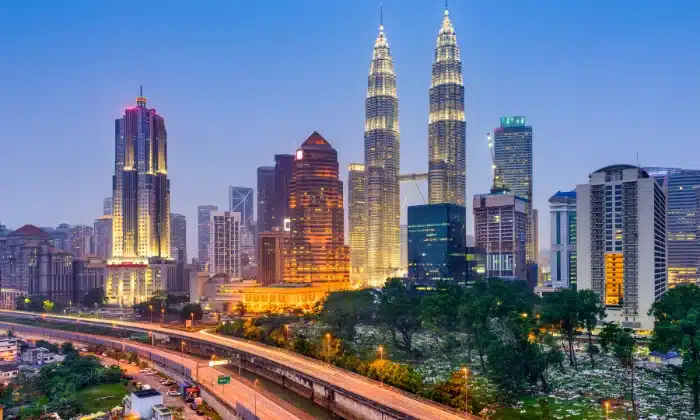
Many people ask “Where is Petronas Tower?” In the heart of Kuala Lumpur stands a symbol of Malaysia’s economic prowess and cultural heritage—the iconic Petronas Tower is the twin tower. This architectural masterpiece not only dominates the city’s skyline but also serves as a testament to Kuala Lumpur’s modernity and ambition. In this article, we’ll delve into the rich history, design, and cultural significance of the Petronas Tower.

Origins and Vision: The Birth of an Icon

The Petronas Tower, officially known as the Petronas Twin Towers, was conceived as part of Malaysia’s vision to position Kuala Lumpur as a global city and business hub. Designed by Argentine architect César Pelli, the project was commissioned by the Malaysian government and the oil company Petronas with the aim of creating an iconic symbol of the nation’s progress and prosperity.

The Petronas Tower stands as a shining example of Malaysia’s ingenuity, ambition, and cultural heritage. From its innovative design to its economic impact, this architectural masterpiece continues to inspire and captivate people around the world, reminding us of the power of vision, collaboration, and creativity. As Kuala Lumpur’s most iconic landmark, the Petronas Tower will undoubtedly remain a symbol of national pride and achievement for generations to come.

The Batu Caves are a group of caverns and cave temples situated atop a limestone hill, with a massive statue of Lord Murugan at its center.

One of the biggest free-flight aviaries in the world is Kuala Lumpur Bird Park.

2. Penang George Town:

Known for its colorful street art and well maintained colonial architecture, Penang George Town is a UNESCO World Heritage site.

Penang Hill: A funicular train ride to the summit and breathtaking views are available.

Penang National Park is home to mangroves, jungles, and Cape Rachado’s well-known lighthouse.

3. Langkawi Sky Bridge:

A circular walkway offering stunning views of the surrounding ocean and islands.

Ride the Langkawi Cable Car to the summit of Gunung Mat Cincang for expansive vistas.

Tanjung Rhu Beach is a lovely, calm beach that is ideal for unwinding.

4. Sabah Mount Kinabalu:

Perfect for trekking and mountaineering, this is Southeast Asia’s tallest summit.

5. Tunku Abdul Rahman Marine Park

It has stunning coral reefs and is a great place to dive and snorkel.

6. Kinabatangan River:

Provides opportunities to see pygmy elephants and orangutans, among other animals.

7. Sarawak Mulu Caves

The UNESCO World Heritage site, Sarawak Mulu Caves, boasts remarkable cave systems and distinctive karst formations.

8. Bako National Park:

It is well-known for its hiking paths and variety of fauna, which includes proboscis monkeys.

9. The Cameron Highlands Tea Plantations:

Take in tea tastings and stroll around the verdant tea fields.

10. Strawberry farms:

Enjoy fresh vegetables while picking your own strawberries.

Where to Stay in Kuala Lumpur

Luxurious Hotels: The Ritz-Carlton Kuala Lumpur, which boasts opulent amenities and a prime location.

With views of the Petronas Towers, Mandarin Oriental Kuala Lumpur offers tastefully decorated rooms.

The Grand Hyatt Kuala Lumpur is renowned for its cutting-edge style and first-rate service.

Mid-Range Hotels: The chic boutique Hotel Stripes Kuala Lumpur is situated in a handy area.

The stylish and modern Kuala Lumpur Journal Hotel is available for a stay.

Budget Hotels: Hotel Pudu Plaza Kuala Lumpur: A solid choice with reasonable prices and standard services.

The Mattress Budget tourists seeking a tidy and comfortable lodging frequently choose KLCC.

Malaysian Beaches and Resorts:

There are some popular beaches in Malaysia. Most Malaysia beaches are also equipped with some fabulous resorts in Malaysia.

1. Langkawi: A five-star resort with access to a private beach, The Datai Langkawi is tucked away in a rainforest.

The Four Seasons Resort Langkawi combines luxury and scenic natural surroundings.

2. Penang: Rasa Sayang Resort & Spa at Shangri-La, a beachside resort with a variety of amenities and gorgeous grounds.

3. Japanese Resort on Tioman Island: renowned for its eco-luxury and stunning beachfront location.

4. Taaras Beach & Spa Resort, Redang Island: A private getaway with immaculate beaches and top-notch diving.

5. Perhentian Islands: The Barat Perhentian provides laid-back beachside lodging.

Things to do in Malaysia:

When you plan to visit Malaysia then no need to worry about what to do in Malaysia as the country has some great tourist destinations. Here’s few choices:

Examine Cultural Heritage: Explore the many mosques, temples, and colonial structures located around the nation.

Take Pleasure in Water Activities: From jet skiing and kayaking to diving and snorkeling in the pristine waters of islands like Sipadan.

An Example of Regional Food: Discover the wide range of cuisine available in Malaysia, from seafood on the islands to street food in Kuala Lumpur.

Malaysia offers a wide variety of activities and sites to satisfy every traveler, whether they are interested in natural beauty, cultural experiences, or simply unwinding on a beach.

Find best restaurants in Kuala Lumpur

Find hundreds of restaurants near tourist places:


10 best places to visit in Canada

10 best places to visit in Canada

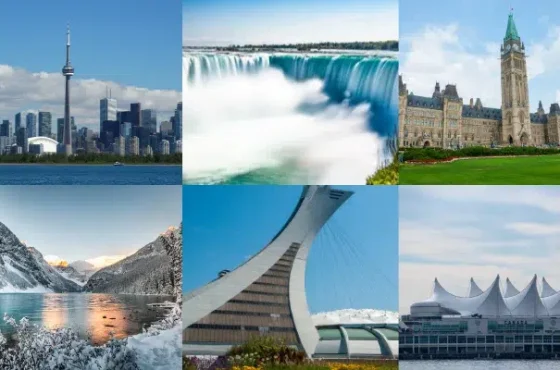
Welcome to this blog on the 10 best places to visit in Canada, also referred to as the “Great White North,” a country renowned for its bustling cities, many ethnicities, and breathtaking natural beauty. For those looking for adventure, leisure, or cultural immersion, this huge country has a lot to offer, from the untamed coastlines of Newfoundland to the breathtaking peaks of the Canadian Rockies.

There are many exciting and unique cities in Canada due to its vastness, weather, and unique culture. However, to find the best city to travel in Canada will depend on which month you are traveling. Find some of the best places in Canada to see, each offering its own unique charm and attractions.

10 best places to visit in Canada: Discover top destinations

Discover top destinations in Canada that promise unforgettable experiences, from the vibrant cityscapes of Toronto to the serene beauty of Banff National Park.

The Cultural Hub in Toronto

Canada’s largest city, Toronto, is a bustling metropolis full of international flare and cultural diversity. Tourists can take in a performance in the well-known Theatre District, tour famous sights like the CN Tower, and meander through the quaint neighborhoods of Kensington Market and the Distillery District. With its top-notch museums, diverse culinary options, and exciting nightlife, Toronto has plenty to offer every kind of visitor.

Here are a few more well-liked tourist destinations in Toronto:

Museum Royal Ontario

Islands in Toronto

Ontario’s Art Gallery

Market Street in St. Lawrence

Park High

Canada’s Ripley’s Aquarium

Square Yonge-Dundas

Vancouver: The Playground of Nature

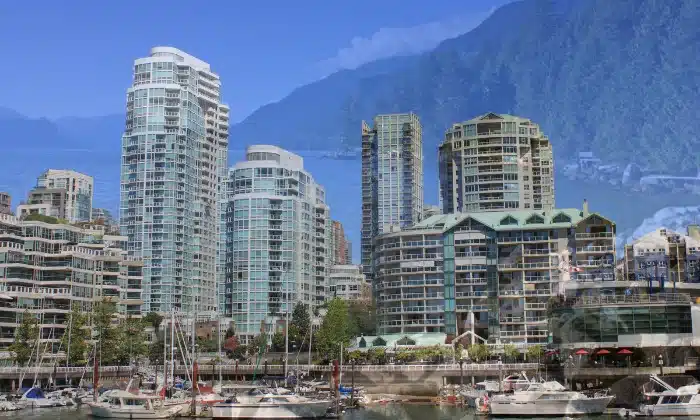
Nestled between the Coast Mountains and the Pacific Ocean is Vancouver. Visitors and outdoor enthusiasts can unwind on the sandy beaches of English Bay, cycle along the picturesque Stanley Park Seawall, or ski the slopes of Grouse Mountain. Vancouver is the ideal location for individuals seeking both action and leisure in equal measure because of its temperate temperature and breathtaking natural beauty.

The following are a few more well-liked locations in Vancouver:

Island of Granville

Park at Capilano Suspension Bridge

Mount Grouse

Aquarium in Vancouver

Gastown

Canada Place

Bay of English

Telus World of Science’s Science World

Elizabeth Park

Banff National Park: A Wonderland of Wildness

Banff National Park, a UNESCO World Heritage Site known for its stunning scenery and an abundance of animals, is situated in the center of the Canadian Rockies. Hikers can explore immaculate alpine meadows, relax in organic hot springs, and take in Lake Louise’s azure waters. Whether you’re a passionate outdoor person or just looking for peace in the great outdoors, Banff provides a once-in-a-lifetime experience.

Montreal: A Touch of the Past

The charming and historically rich city of Montreal is known as Quebec’s cultural hub. Wandering around the cobblestone alleys of Old Montreal (Vieux-Montreal), taking in the dynamic art scene in the Plateau Mont-Royal, or indulging in top-notch dining at the city’s well-known restaurants are all options for visitors. For anybody yearning for a taste of European elegance in North America, Montreal is a must-visit destination because of its rich heritage, exciting festivals, and joie de vivre.

Here are a few more well-liked tourist destinations in Montreal:

Mount Royal

The Montreal Fine Arts Museum (MMFA)

The Botanical Garden of Montreal

Market Jean-Talon

The Oratory of Saint Joseph

Science Centre Montréal

The Reso Underground City

Montreal’s Biodome

Canal Lachine

Niagra Falls: A Natural Wonder

Niagra Falls is a magnificent sight to see and a National Heritage site. On a boat excursion, visitors may get up close and personal with the thunderous roar of the falls, or they can take a helicopter ride above them. There are several ways to be in awe of the strength and beauty of this famous site, including the Niagra Parks Butterfly Conservatory and Journey behind the Falls.

Quebec City: Classic Style

Quebec City is North America’s living museum of French ancestry. The UNESCO-listed Old Town of Quebec, known as Old Quebec (Vieux-Québec), offers visitors a chance to stroll through its winding alleyways, take in the breathtaking architecture of the Château Frontenac, and take in the lively arts and culture scene of the city. Quebec City has all the modern conveniences of a top-notch vacation spot while transporting guests to a bygone period with its charming ambience and joie de vivre.

The following are a few more well-liked tourist destinations in Quebec City:

The Citadelle

Abraham’s Plain (Battlefields Park)

Park de la Chute-Montmorency, often known as Montmorency Falls Park

Quebec’s Old Port (Vieux-Port)

The Museum of Civilization

Saint-Jean Rue

The Observatory of the Capital

The Quebec National Museum of Fine Arts (MNBAQ)

Whistler: A Mountain Experience

Whistler, British Columbia, is a top year-round destination for outdoor adventure, nestled in the Coast Mountains. Travelers can mountain bike along picturesque paths, ski on some of the best slopes in North America, or treat themselves to opulent spa treatments at world-class facilities. Travelers of all ages may have an unmatched alpine experience in Whistler thanks to its gorgeous scenery and quaint village feel.

Capital Delights in Ottawa

Ottawa, the nation’s capital, provides a singular fusion of culture, history, and scenic beauty. Tourists can visit renowned institutions like the National Gallery of Canada, stroll along the charming Rideau Canal, and explore famous sites like Parliament Hill. Ottawa embodies the finest of Canadian culture and is an intriguing destination with its vibrant festivals, rich food scene, and quaint neighborhoods.

The following are a few more well-liked tourist destinations in Ottawa:

Ward Market by Ward

The Canadian Museum of History

The Museum of Canadian War

Hall Rideau

Park Major’s Hill

Center for the Arts (NAC)

The Canadian Museum of Nature

Jasper National Park: Wilderness Untamed

The largest national park in the Canadian Rockies, Jasper National Park, is a pristine wilderness playground just waiting to be discovered. Hiking through historic forests, canoeing on glistening lakes, and spotting grizzly, elk, and other wildlife are among the activities available to visitors. Jasper provides a genuine haven from the daily grind with its untamed beauty and serene ambience.

Prince Edward Island: Coastal Charms

Prince Edward Island (PEI) is Canada’s smallest province known for its red sand beaches, rolling farmland, and charming coastal villages, Prince Edward Island is a hidden gem waiting to be discovered. Visitors can explore the historic streets of Charlottetown, sample fresh seafood at local eateries, or cycle along the scenic Confederation Trail.

Prince Edward Island is a great place to unwind with its gorgeous scenery and laid-back atmosphere.

Here are a few more well-liked tourist destinations on the island:

Green Gables Historical Site

Cavendish Beach

National Park of Prince Edward Island

The seaside town of Victoria

Provincial Park at Basin Head

North Cape

Where L.M. Montgomery Was Born

Stanhope

In summary

Some of the best places to visit in Canada include the busy streets of Toronto and the untamed majesty of Jasper National Park. Still, there are a ton of other travel destinations in Canada that provide a plethora of experiences for those looking for adventure, leisure, or cultural immersion. The Great White North never ceases to enthrall and inspire, whether you’re touring energetic towns, taking in breathtaking natural scenery, or indulging in delectable cuisine. So gather your belongings and set out on a once-in-a-lifetime adventure to see firsthand Canada’s beauty and diversity as well as the top destinations for family and group travel. Take advantage of Canada’s diversified cuisine and its many eating alternatives when you visit.

FAQs

Q: What is the best time to visit Canada?

A: The best time to visit Canada depends on your preferences and the activities you want to enjoy. Summer (June to August) is ideal for outdoor adventures and exploring national parks, while winter (December to February) offers excellent skiing and snowboarding opportunities in destinations like Whistler and Banff.

Q: Do I need a visa to visit Canada?

A: Travel requirements for Canada vary depending on your nationality. Most visitors will need either a tourist visa or an Electronic Travel Authorization (eTA) to enter the country. It’s essential to check the specific entry requirements for your country of residence before planning your trip.

Q: What currency is used in Canada?

A: The official currency of Canada is the Canadian dollar (CAD). It’s advisable to exchange currency before your trip or withdraw Canadian dollars from ATMs upon arrival for convenience.


Best time to travel to Brazil

Best time to travel to Brazil

Discover the ultimate guide to exploring the best time to travel to Brazil with our comprehensive study of itineraries and destinations. Dive into Brazil uncovered, and plan your perfect trip today!

Brazil is a country rich with fascinating history, breathtaking scenery, and a lively culture. Brazil provides tourists with a wide range of experiences, from the busy streets of Rio de Janeiro to the serene jungles of the Amazon. We identify the top travel routes and locations in Brazil in this in-depth analysis to help you get the most out of your trip. Whether you’re seeking adventure, relaxation, or cultural immersion, our guide to Brazil will help you plan an unforgettable journey.

Best time to travel to Brazil: 5 best places to visit

Choosing the best time to travel to Brazil depends on the regions you plan to explore and the activities you want to enjoy.

Weather Overview

Region Best Time to travel to brazil Key Features
Rio de Janeiro December to March Summer season, great for beaches
Amazon Rainforest June to September Dry season, ideal for wildlife spotting
Pantanal July to October Dry season, best time for wildlife viewing
São Paulo April to October Mild weather, fewer tourists
Salvador September to March Warm weather, vibrant cultural festivals

Key Considerations

  • Carnival Season: February or March, depending on the year.Major cities such as Rio de Janeiro and Salvador are well worth visiting during this colorful but busy period.
    Rainy Season: The Amazon and Pantanal regions can get exceptionally rainy from November to March.
    Top destinations in Brazil for travel

    Rio de Janeiro

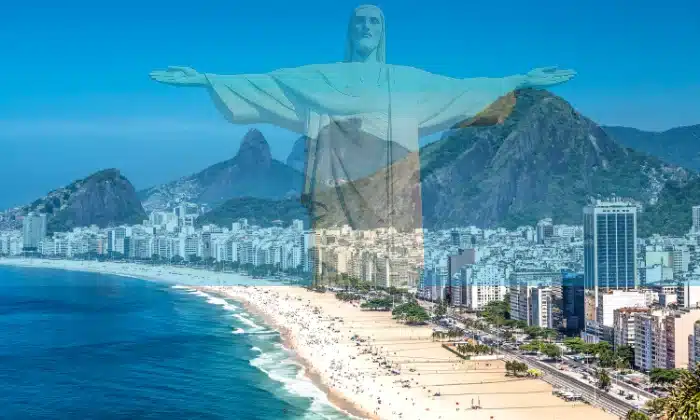
    Perhaps the most famous city in Brazil is Rio de Janeiro, which is well-known for its breathtaking beaches, exciting Carnival, and enormous Christ the Redeemer statue.

    Highlights

    The beaches in Copacabana and Ipanema are ideal for swimming, tanning, and taking in the lively beach culture.

    One of the New Seven Wonders of the World, Christ the Redeemer provides stunning vistas of the city.

    Sugarloaf Mountain: An additional viewpoint offering expansive vistas of Rio.

    São Paulo

    São Paulo, the biggest city in Brazil, is a thriving metropolis renowned for its diverse culture and active arts scene.

    Highlights

    The financial district of São Paulo is centered on Avenida Paulista, which is flanked by eateries, retail stores, and museums.

    Ibirapuera Park is a large urban park perfect for leisurely strolls and outdoor pursuits.

    São Paulo Museum of Art (MASP): Well-known for its magnificent Western art collection.

    Salvador

    Salvador, the state capital of Bahia, is well-known for its vibrant festivals, historic buildings, and Afro-Brazilian culture.

    Highlights

    The historic district of Pelourinho is well-known for its colonial architecture and thriving music scene.

    Elevador Lacerda: Provides breathtaking views of the Bay of All Saints and the city.

    Carnival: Among the biggest and most vibrant in the world is Salvador’s carnival.

    Rainforest on Amazon

    For those who enjoy the outdoors, the Amazon Rainforest is a must-see since it provides an unmatched chance to discover one of the most biodiverse areas on Earth.

    Highlights

    Manaus: Offering river cruises and jungle lodges, Manaus is the entry point to the Amazon.

    Meeting of the Waters: The confluence of the sandy-colored Amazon River and the black Rio Negro.

    Wildlife Tours: Observing a wide variety of bird species and unique creatures like pink river dolphins and jaguars.

Pantanal

The Pantanal is the world’s largest tropical wetland and a paradise for wildlife enthusiasts.

Highlights

  • Wildlife Safaris: Known for its high concentration of wildlife, including jaguars, capybaras, and caimans.
  • Boat Tours: Explore the waterways to see aquatic animals and birds.
  • Eco-Lodges: Stay in remote lodges that offer immersive experiences in nature.

Eco-Lodges: Remain at secluded lodges that provide close-to-nature experiences.

Example Travel Schedules for a Week in Brazil

Choose one or two main locations to concentrate on for a brief yet rewarding visit.

Day Three–Four: Rio de Janeiro

Take a cable car to Sugarloaf Mountain, visit Christ the Redeemer, and explore the beaches.

Day 4–7: Salvador

Explore the exciting nightlife, savor the local food, and learn about the historic Pelourinho quarter.

Best time to travel to Brazil for Two Weeks

You may see more of Brazil’s varied landscapes in two weeks and cover more ground.

Day 1–4: Brazil City

Incorporate a journey to the charming village of Paraty and a visit to the Tijuca Forest in your itinerary.

Day 5–8: Rio de Janeiro

Explore the culinary scene, see historical landmarks, and spend a day trip to the seaside resort of Santos.

Day 9–14: Rainforest of Amazon

From Manaus, spend several days exploring the jungle on animal trips and river cruises.

Best time to travel to Brazil for Three Weeks

Three weeks is enough time for a thorough investigation of several areas.

Day 1–4: Brazil City

See all the main sights and think about going to Ilha Grande for its trekking and immaculate beaches.

Day 5–8: Rio de Janeiro

Visit neighboring cultural hotspots like Campinas in addition to the city’s attractions.

Day 9–12: Salvador

Take in the local way of life by visiting neighboring beach communities such as Praia do Forte.

Day 13–16: Rainforest of Amazon

More time spent seeing the wildlife and staying at rainforest lodges.

Days 17–21: Pantanal

Take a wildlife excursion in the Pantanal to highlight the region’s varied biodiversity as you wrap up your journey.

Travel advice for visiting Brazil

Brazil is typically safe for tourists, although in big cities, be on the lookout for small-time criminal activity.

Language: The official language is Portuguese. Acquiring basic phraseology might be really beneficial.

The official currency is the Brazilian Real (BRL). Although most places accept credit cards, it’s a good idea to have some cash on hand for smaller communities.

Health: Before traveling to the Amazon, especially, ask a healthcare professional about vaccines.

FAQs

What’s the best way to get from one Brazilian city to another?

The quickest and most practical way to get between large cities is via domestic flights. Brazil boasts multiple local carriers and a vast network of airports.

Conclusion

Travelers can enjoy a multitude of experiences at the best time to travel to Brazil, a country known for its extraordinary diversity. From the iconic beaches of Rio de Janeiro to the dense jungles of the Amazon, Brazil uncovered is a journey through some of the world’s most captivating destinations. Whether you’re planning a short getaway or an extended adventure, our comprehensive study of itineraries and destinations will help you make the most of your Brazilian adventure.

Restaurants near tourist places

Perfect travel planning

Perfect Travel Planning

Perfect Travel Planning. A Step-by-Step Guide Through Each Month

Laying the Foundation for Adventures Ahead

The initial phase of planning any journey involves harnessing curiosity and fueling excitement and exploration. As the earliest stages take shape, possibilities unfold while practical considerations come into focus. For many, this stage sparks wonder as destinations swim in an ocean of potential.

With anticipation mounting, the natural first move involves sparking ideas through wide-ranging research. Brainstorming kindles imagination as online searches and guidebooks reveal many enticing spots. Discussions with experienced travellers can also uncover hidden gems worth uncovering. At this point, assessing dates proves prudent, too, as it helps dodge crowded seasons if seeking a more serene experience.

When selecting potential places, it is wise to examine what draws you. For some, culture calls loudest, with histories, art, and celebrations beckoning across continents. Others gravitate to nature’s majestic realms, from beaches and rainforests to mountains and glaciers. Activity aficionados scan for opportunities to surf, hike, bike, or soak in scenic panoramas. Gastronomic explorers scout the globe for regional delicacies that are too delectable to pass up.

With initial options on the table, drilling down involves hunting clues on each. Guiding light sources range from cursory internet searches to meticulous guidebook readings. Trapping virtual streets via Google Maps helps gauge destinations’ walkability and transit access. Notes begin documenting highlights like must-see sites, festivals, restaurants and outdoor hotspots for each contender.

Logistics demands attention at this phase as well. Comparing transportation alternatives and costs prepares the way. Researching flight routes, durations, and prices establishes parameters for departure and return planning. Train, bus, ferry, and rideshare possibilities also emerge for inter-city or intra-destination travel. The solace of having lodging plans sketched out reduces later worries, so hotel, hostel and rental research commence.

Another vital legwork element involves scoping climate patterns, from temperature trends and rainfall amounts to hurricane/typhoon/monsoon seasons, and knowing what to pack and when proves invaluable later. Cultural norms and safety considerations regarding scams, protests or tensions also surface. For non-English destinations, assessing language barriers and translating key phrases deepen readiness.

Armed with a growing basket of details, the promising places begin taking a more precise form. Preliminary selection helps transform the initially vast pool into a shortlist of top candidates. With locations primed for deeper evaluation, the next phase awaits – crafting an itinerary to bring the visions to vibrant life.

Weaving a Tapestry of Travel Dreams

As locations become sharper, stitching together a preliminary itinerary facilitates the next steps. This stage involves mingling the objectives, logistics, and time allowed to invent an intentionally designed journey across destinations.

First, select which spots will ultimately be cut. Comparing notes on highlights, activities, and practical factors assists in sharpening the final lineup. With the priority places chosen, determining how many days to devote to each helps establish a smooth pace. Major cities may warrant 5-7 days to fully immerse, while smaller gems could receive 2-3 to soak up flair.

Once segment durations are set, mapping travel between locations is a crucial arranging exercise. Domestic and international flight routes, train lines, ferry routes and bus corridors start connecting the dots. Leaving buffer days for unexpected journey delays or unplanned adventures also proves prudent at this phase.

Delving into daily plans within each destination allows the itinerary to blossom in depth. Using time blocks helps plot sightseeing routes, activity bookings, transit connections, and meal breaks in a balanced manner. Mixing must-see landmarks, neighbourhood wandering, and cultural events break up potentially tiring full-sightseeing days.

Allowing leisure time for relaxation, naps, or serendipitous discoveries adds richness. Selecting just one or two structured plans per location leaves space for spontaneity and flexibility as experiences unfold. Recommendations from guidebooks and online communities suggest extra options to consider as well.

It plans efficiently situated travel-day bookends around destination segments to build the necessary margin. This means sketching arrival/departure hotel plans, transportation to/from airports/stations, and optimal transit times. Finalizing lodging, especially during peak seasons, also spurs proactive reservations at this stage.

With segment durations, travel logistics and initial daily activities pieced together, the blueprint takes visible form. Regularly reviewing and tweaking the flow enhances cohesion across the diverse regions. Digital or print calendar scheduling saves the evolving masterpiece. As further preparations strengthen, anticipation mounts for adventures by design.

Concrete Plans Set the Stage for Exploration

Arriving at the month when arrangements transform from objectives to commitments, excitement intensifies as tangible bookings breathe life into the itinerary vision. Concrete lodging and transportation reservations establish the literal and figurative foundations for the journey ahead.

Comparing options online facilitates strategic accommodation decisions aligned with planned activities, styles, and budgets—factors like location, amenities, reviews, and cancellation policies guide selections. Booking early often secures the best available rooms, especially in popular destinations during high seasons. Confirming with deposit payments and collecting confirmation details completes this pivotal step.

Transportation bookings come next, starting with crucial international and domestic flights between headline cities. Examining myriad carrier and date alternatives and locking in preferred options adds another layer of certainty. Train rides, often scenic complements to flight travel, undergo a similar selection and ticketing process when scheduled. Other public or organized transit modes follow suit.

Car rentals surface as viable options when independent exploration features prominently on the agenda. Thoroughly scrutinizing vehicle class, estimated costs, insurance coverage, driver age stipulations, and pickup/dropoff logistics proves prudent. Final payments deliver rental reservations into the confirmation folder.

Now apply for planned activities requiring pre-purchase, structured research and timely ticket buying. Popular shows, tours, and culinary or cultural workshops fill quickly, while same-day availability cannot be relied upon. They were collecting electronic receipts or hard tickets to shield against last-minute glitches. Proof of travel insurance finalized before departure day draws near.

Budgeting throughout prevents sticker shock later. With a broader view, adjusting bookings if necessary to better accommodate evolving preferences or savings remains feasible during this phase. Organizing travel documents methodically into one accessible carry-on bag maintains ready access when wheels are in motion.

With the in-depth preparations now substantially complete, anticipation hits a fever pitch. Seasoned travelers need to understand that guidebooks or itineraries can only partially prepare them for life’s delightful surprises along the journey. Though the exciting Adventures call is just weeks away, relaxation and last-minute to-do lists occupy the final preparatory weeks.

Revolutionizing Hotel Booking

Revolutionizing Hotel Booking

Welcome to this blog on Revolutionizing Hotel Booking: 7 best steps for planning. While maintaining a profit is paramount for any company, cultivating an engaged and motivated team is also crucial. This introductory section will elucidate various evidence-backed tactics for strengthening the collective spirit and work ethic of one’s employees.

Revolutionizing Hotel Booking. A Strategic Guide to Effective Planning

Here are some strategic steps for effective planning in revolutionizing hotel booking:

Appreciating Efforts and Achievements

Frequent acknowledgment of contributions, big or small, is essential for feeling valued. Methods include thank you emails, milestone rewards, or highlighting “employee of the month.” Public recognition can also encourage others. However, expressing gratitude in private chats or handing out small gifts shows that thought was put into the thanks.

Enabling Autonomy and Growth

Micromanaging stifles creativity, whereas permitting some freedom over accomplishing tasks can reinvigorate. When practical, allow flexible schedules and support conference or training expenses to help workers expand their skill sets. Designating mentors for those seeking guidance is also appreciated. Autonomy correlates with enhanced commitment, so find a balance that empowers staff.

Fostering Fairness and Transparency

Communicating policies regarding raises, promotions, and time off prevents resentment over perceived favouritism. Explaining budget constraints retains goodwill. Stay approachable for addressing concerns privately. Actively soliciting anonymous feedback through periodic surveys can reveal issues requiring remedy to reestablish trust.

Promoting Health and Wellbeing

While work demands much time and energy, self-care sustains productivity and morale. Provide health insurance and contribute to fitness memberships or activities. Allow for breaks and meals away from desks. An occasional group outing or relaxed dress code day gives a mental breather. A culture respecting work-life balance yields reduced absenteeism and turnover in the long run.

Cultivating Community and Camaraderie

Beyond tasks, get to know colleagues as people. Intranet profiles showcase diverse lives outside of jobs. Organize casual social mixers and holiday parties. An open-seating floor plan facilitates collaboration and incidental interaction. Celebrate personal and professional milestones to foster stronger connections across departments. United teams function more cohesively through cooperation instead of competition.

In conclusion, prioritizing employee wellbeingwellbeing alongside profits capitalizes on intrinsic motivation. This holistic approach positions an organization not only as a career but also as one that is genuinely invested and wants to contribute its utmost efforts over the long haul. With compassion and community as cornerstones, performance will multiply many times.

Gaining Key Insights into Customers

Thoroughly understanding target audiences is an essential first step in delivering the optimal experience and maximizing loyalty. Several avenues can provide valuable qualitative and quantitative feedback.

Conduct Surveys and Focus Groups

Pose questions to gauge preferences on communication channels, pain points in the customer journey, and features most important for satisfaction. Focus groups allow probing perspectives in an open discussion. Distribute questionnaires online and in physical locations frequented by clients. Incentivize participation with a small gift.

Leverage Customer Support Interactions

Monitor themes emerging from calls, chats, emails and social media messages. Do specific issues repeat? Maintain meticulous records in a CRM for reference later. With consent, occasionally survey those recently contacted support for direct improvement input.

Analyze Online Behaviors and Transactions

Web analytics reveal which pages engage users most or least. Where do carts get abandoned? Evaluate average time spent or bounce rate changes when modifying the layout. Insights into average order value and most popular products provide opportunity clues.

Benchmark Against Competitors

Study competitors’ offerings, prices, and marketing strategies. What unique needs are they fulfilling? Where might a differentiated selling point be carved out? Competitive research mitigates reactions and keeps the brand relevant during industry shifts.

Once crucial customer attributes, demand drivers and dissatisfiers are understood, typical group personas can be modelled. Review findings regularly since needs evolve with trends, tastes and life stages. Implementing an agile “test and learn” philosophy ensures continuous enhancements that are progressively satisfying. With customers providing ongoing guidance, long-term affinity and referrals emerge.

Optimizing Reservations through Innovation

While the basics of selecting dates, room types and making payments remain constant, forward-thinking enhancements can streamline friction points noted through research.

Mobile-First Design

Given smartphones’ ubiquity, a responsive website optimized for smaller screens best accommodates on-the-go bookings. Intuitive menus and significant interactive elements facilitate thumb navigation. The development of a native app extends convenience further.

Conversational Interfaces

Chatbots access FAQs or enable bookings through messaging apps like Facebook Messenger, providing 24/7 assistance in how customers now commonly interact. Natural language capabilities simplify seeking assistance without lengthy hold wait times.

Customizable Packages

Beyond standard rooms, curate add-ons like dining credits, activities or tours into tailored trip bundles. Recommendations consider traveller demographics from their profile. One-stop packages appeal for ease over building individual carts.

Payment Installment Options

For larger booking totals or families, divide costs over multiple payments prior to arrival. Integrating popular third-party wallets like PayPal provides reassurance when sharing sensitive details online.

Event Space Reservations

List inventory and attributes of multifunctional meeting or banquet spaces. Integrate with online calendars and permit subdividing capacity for partial-day bookings or visiting multiple spaces in one agenda. Custom branding bolsters weddings or conferences.

Loyalty Rewards Tiers

Frequent guests benefit from accumulating points redemptions or room/amenity upgrades the more they book. Dynamic pricing incentives further engage members. Opportunities exist for exclusive travel perks through strategic airline/retail partnerships.

In review, optimistically overhauling reservation channels boosts consumer confidence while achieving property management goals through new revenue streams and return customers. Staying nimble allows rapid tests of novel concepts based on ongoing evaluation.

To find restaurants near tourist places, >click here <

Painting Ponte Vecchio

Painting Ponte Vecchio

Welcome to this blog on Painting Ponte Vecchio: Beauty of Florence’s Famous Bridge. The glistening waters of the River Arno have witnessed centuries of history flow through the heart of Florence, Italy. Spanning its waters almost imperceptibly is a landmark that has become intrinsically woven into the very identity of this iconic city – Ponte Vecchio. For over 850 years, this history-laden bridge has connected the bustling banks and withstood the test of time, maintaining its picturesque presence as one of the city’s most identifiable symbols.

Painting Ponte Vecchio: A Grand Portrayal of Beauty

With its unique architecture consisting of interlinking stone arches arranged in a seemingly endless sequence, Ponte Vecchio is the sole bridge in the historic center of Florence still standing atop the emerald waters of the Arno. Its illustrious past dates back to antiquated origins in the early 13th century, when the first structures were erected in its place to provide crucial connectivity between commercial districts. Through successive reconstructions, expansions and fortifications over the following generations, the bridge we know today began taking shape.

Despite facing immeasurable hardships across changing tides of war and turmoil that engulfed Tuscany, Ponte Vecchio maintained its position as the only route spanning the rushing river within the city limits. Thus, it accumulated immense strategic and economic importance that grew with time. Merchants established their shops on the bridge, showcasing various items. Goldsmiths and jewelers, in particular, thrived here for centuries, founding an enduring legacy that Ponte Vecchio is still renowned for today.

Owing to such a rich and nuanced history intertwined with the cultural progression of Florence, Ponte Vecchio attained an iconic status that transcended its municipal duties. Renowned artists frequently included its famed form and shops glistening under the Tuscan sun in their illuminating works, helping spread awareness of Florence worldwide. From sketchings and etchings to majestic paintings, the bridge became an emblematic symbol of the city’s picturesque landscapes. Even amid the ravages of World War II, stoic restoration ensured this spectacle of antiquity could inspire future generations.

So, among the elegant vistas of Italy’s famed Renaissance city, Ponte Vecchio is both a relic of medieval engineering marvels and a monument to Florence’s capacity for safeguarding cultural treasures through hardship. Its ornate arcades still sparkle with the industrious spirit that defined the city. Experience a virtual stroll across this Grand Portrayal of Beauty along Florence’s famous River Arno.

The Enduring Design of a Medieval Marvel

Still standing imperiously after centuries of traversing the Arno, Ponte Vecchio flaunts a distinctive architectural style that has perplexed engineers for ages. Its most conspicuous features originate from a strategic reconstruction effort in the 14th century, which saw the original Roman stone footbridge augmented with Gothic-style properties for enhanced durability.

Over 30 elegant arches span majestically between the stone embankments, curving vertically to disperse the force of floods away from the main structure. Many arch spans exceed 10 meters, an impressive feat of medieval engineering considering the limitations of technology back then. Closer inspection reveals skillfully carved ornamentation adorning arched openings, adding grace to the functional design.

What makes Ponte Vecchio truly unconventional, however, is the building’s integration into its 230-meter length. Foundations were constructed sturdily along the bridge sides to support multi-story edifices, appearing almost like barrack extensions. Merchants’ shops were thus established at optimum vantage points directly over the Arno! This revolutionary format maximized commerce while amalgamating residential and commercial functions innovatively.

Enduring over half a millennium of natural disasters and warfare, Ponte Vecchio stands as a resilient marvel. Its thickened central pillars, reinforced at strategic points with bastion-like buttresses, have successfully repelled countless Arno floods. Even barrages during World War 2 failed to destroy the structure, and damages were restored immaculately according to the original Gothic blueprint. Modern engineers are still baffled as to how aqueduct-like channels within the thickness of arches could divert currents harmlessly.

In summary, Ponte Vecchio flaunts an architectural fusion that has indefatigably connected Florentine banksides for ages. Its ornate arches, formidable buttressing, and ingenious water diversion tactics present an ostentatious medieval infrastructure way ahead of its time, charming visitors with its preservation of antiquity against all hurdles of time.

A Symbol of Resistance and Renaissance Spirit

Even today, Ponte Vecchio still lends immense cultural and economic importance to Florence. It has come to represent the city’s indomitable spirit against adversity. Standing defiant after narrowly surviving successive tribulations, from centuries of natural disasters to destruction attempts in World War 2, the bridge flaunts a legacy of preservation against all odds.

Its rebuilding in 1345 showcased civic will to restore livelihoods disrupted by Arno flooding, cementing Ponte Vecchio as a hub where commerce and community thrived together. Meanwhile, strategic fortifications were added to defend against invading armies, including the infamous “Corridoio Vasariano” skyway commissioned by Medici Grand Duke Cosimo I. This ensured commercial activities faced minimum disruptions despite turmoil engulfing the city.

Ponte Vecchio also gained symbolic status as a lone relic, retaining its medieval essence amid Renaissance rebirth around it. Famous artistic depictions by the likes of Michelangelo, Giorgio Vasari, and others played a significant role in proliferating the bridge’s iconic image worldwide as a prominent piece of Florence’s picturesque landscape. Their detailed renderings from different vantage points across the ages captured the dynamism of the Arno banks and contributed to cementing the city’s artistic prestige.

Even after destruction during World War 2 bombings, phoenix-like restoration over two years proved Florence’s unbending commitment to preserving cultural heritage. Reconstruction maintained original Gothic architecture while also modernizing structural integrity, reinforcing the bridge’s role as a symbol of resilience, adaptive continuity, and cultural relevance.

So, in present times, Ponte Vecchio endures as the city’s most-visited landmark, with over 2 million annual tourists. Its charming medieval shops generate millions in annual commercial revenue, retaining the original merchants’ legacy. Truly, by overcoming monumental hardships over centuries, the iconic bridge has cemented its status as a world-renowned symbol of both the city’s glorious past and indomitable Renaissance spirit.

Madrid

Madrid. Exploring Architectural Gems

Welcome to this blog on Madrid, Exploring Architectural Gems. Visit best tourist places such as Edificio España,Plaza Mayor, Royal Palace,Almudena Cathedral, Edificio España,CaixaForum,Catedral de la Almudena, Plaza de la Villa, Las Descalzas Reales and Iglesia de San Jerónimo el Real.

Madrid. Exploring the Architectural Marvels of This Historic City

Madrid holds a treasure trove of architectural works spanning centuries, each with its own intriguing history woven into the city’s fabric. From opulent palaces fit for royalty to whimsical places of worship adorned with ornate details, Madrid never ceases to astound visitors with its vast array of structures. This article provides an overview of some of Madrid’s most notable designs, guiding readers to uncover the stories behind each landmark.

Centuries of innovative design have left Madrid filled with buildings renowned for their artistic ingenuity. Situated right in the heart of it all is the Plaza Mayor, a plaza that has stood as the city’s lively center for over four hundred years. Surrounding this hub is a cornucopia of styles, from Moorish influences to lavish Baroque designs. Nearby also lies the Royal Palace, an epitome of luxury and an entertaining reminder of Spain’s regal past. Beyond these central attractions, entire districts showcase architectural periods through seminal works that defined their eras.

Madrid’s architectural heritage stems from its position at the crossroads of cultures. Successive rulers from diverse backgrounds have all contributed to its profusion of styles. Under Moorish rule in the Middle Ages, remnants of their ornamental flair still endure. Later, the Renaissance brought humanism and rational order in balanced designs like the imposing Almudena Cathedral. The lavish Baroque movement saw indulgent creations like the Buen Retiro park take form. Ornate Churrigueresque also emerged, most exemplified at the phenomenal San Francisco El Grande church.

In modern times, Madrid continued innovating with daring structures. The skyscraping Edificio España tower stands tall from the last century. Near Reina Sofía, the repurposed CaixaForum stuns with its interior ingenuity. Contemporary additions in business districts and parks reflect today’s design influences. Beyond the city, day trips offer even more architectural treasures from other eras. Medieval Toledo, El Escorial monastery, and summer palaces are some notable alternatives within reach.

This article will examine an array of Madrid’s most striking architectural works. By exploring their ornate details, varied styles, and places in history, readers can better appreciate the diverse creativity that shapes this still-evolving city. Its architectural landscape is a living chronicle of the shifts that have transformed both its urban fabric and the nation at large through the centuries.

The Vibrant Heart and Opulent Soul of Madrid

At the lively heart of Madrid lies the Plaza Mayor, a stunning plaza that has embodied the city’s pulse for over four centuries. Originating in the 17th century, its distinctive enclosed shape and uniform stone buildings make it one of Spain’s finest central plazas. Once a bustling hub for commerce and royal pronouncements, the Plaza Mayor maintains its role as a gathering place where locals and visitors alike can appreciate street performers or merely take in the architectural scenery. Its ground is carved with the shields of Spain’s various regions, representing the nation’s cultural diversity even in such simple stonework. Towering above one end of the plaza, and arguably more extravagant still, stands the epitome of royal opulence – the Madrid Royal Palace.

Continuing a tradition of stately homes on this site dating back to the 9th century, the current Royal Palace was built in the early 18th century. Designed in a restrained Baroque style, its elegant facades conceal a veritable treasure trove of art and history within. Marbled halls, gilded salons, and lavish throne rooms testify to ancient empires and Spain’s place amongst Europe’s most extraordinary powers.

Armour worn by conquistadors and priceless tapestries depicting royal victories hangs alongside works by masters like Goya and Velázquez. In perhaps its most impressive hall, a forest of crystal pendants adorn the sumptuous ceiling of the Throne Room, forming a spectacular dramatic baroque chandelier illuminating generations of monarchs.

Despite its grandeur, the palace is no mere museum piece but remains the symbolically home of modern Spain’s royal family. When not carrying out their duties, King Felipe and Queen Letizia reside within its stately confines alongside their daughters. Yet its grounds are open to the public, granting a privileged glimpse into a lifestyle few will ever experience.

In addition to the splendors gathered inside its walls, expansive gardens offer a scenic escape from the urban bustle right in the city center. Their allées are lined with fountains, statues, and pools punctuated by fragrant flowers – a verdant sanctuary for the mind amidst storied surroundings. Together, the plaza and palace define Madrid’s proud royal and cultural essence for all to enjoy.

Gems of the Historic Downtown

Just north of the Plaza Mayor lies Madrid’s historic downtown core, harboring several iconic structures renowned for architectural and cultural significance. Chief amongst these is the Puerta del Sol, a sun-shaped glass and iron canopy sheltering the bustling thoroughfare below.

Considered the factual center of Spain, with Kilometer Zero marking all significant road distances, it has been the nexus of the city’s everyday life and communications for centuries.

Nearby also sits the Catedral de la Almudena, an imposing neo-Gothic cathedral erected after centuries-long calls to construct a grand house of worship for the Spanish capital. Its sober sandstone facade presents towering spires that add to the imposing skyline of the Centro district.

A short stroll away lies another renowned plaza, Plaza de la Villa. At its centre proudly stands Madrid’s ancient city hall, a stellar example of the Spanish Plateresque style adorned with lavish carvings. It maintains a ceremonial role as the official seat of Madrid’s government.

The uniform apartments encircling the plaza date back to the 16th century, accounting for an admirably preserved example of Renaissance urban planning. Their arched entryways now shelter chic boutiques and restaurants much as they did centuries past.

Traversing these postcard-worthy streets transports visitors to a bygone Madrid, where one expects to find horse carriages clacking past golden facades instead of today’s bustle.

Venturing further leads to the captivating Convent of Las Descalzas Reales. Behind an unassuming granite front, its austere Clausura cloister brims with hidden treasures. Intricate frescoes and sculptures abound, bespeaking the nuns’ former role as caretakers for the royal family. Now fully restored, it offers a unique glimpse into cloistered life.

A short walk west, the lavish Iglesia de San Jerónimo el Real also stands amid manicured gardens, indicative of its Augustinian origins. Its eclectic architecture combines Renaissance, Gothic, and Mudéjar traditions into a harmonious whole that transports worshippers to another age. Together, these landmarks interwoven at Madrid’s bustling heart impart a sense of history with each discovery around their storied streets.

To find restaurants in the tourist places, >Click Here<

Florence

Exploring Rome on Foot

Home >> Blog

Exploring Rome on Foot

Discovering the Hidden Beauty of Rome

Unearthing Rome’s Hidden Gems

Rome is universally renowned as a city steeped in history and infused with immersive cultural richness. However, beyond the coliseums and forums that constantly swarm with tours, the Eternal City still safeguards many covert wonders lying in wait to astonish intrepid urban adventurers. This narrative aims to serve as a navigator to uncover several of Rome’s least publicized yet most fascinating locales that epitomize the metropolis’s soul.

We will commence our exploration by setting the historical stage. After a brief précis of Rome’s illustrious two millennia timeline, from the Roman Kingdom’s inauguration to the contemporary capital of Italy, the article will then astutely propose that exploring the well-beaten routes allows intimate familiarization with authentic aspects of Roman lifestyle obscured from superficial day trips. Furthermore, wandering at one’s own pace unveils charming glimpses into narrow alleys and tucked-away corners beyond crowded buses and guided cliques.

In conclusion, this exposé invites intrepid travelers to step off well-worn avenues and embark on a personal investigation of Rome’s covert aspects, imparting immersive cultural understanding rather than ticking sites off a list. Meandering down unheralded lanes and soaking in the spellbinding atmosphere promises rich rewards for those unfettered by itineraries. We commence our solitary stroll through Rome’s unseen majesty!

Marvels and Enclaves to Illuminate along Your Journey 

Rome’s acclaimed landmarks naturally lure multitudes of footsteps. However, allocating sufficient time to absorb some of the city’s vibrant quarters also offers intimate familiarity with authentic Eternal City living. We recommend dedicating half a day each to select attractions and neighborhoods accessible via the nearest Metro stations.

First, on our suggested itinerary, the iconic Piazza Navona never disappoints with its ornate fountains and lively atmosphere. Nearby, the Pantheon‘s imposing portico leads to a domed interior granting awe-inspiring acoustics. After taking in millennia of history, indulge in people-watching over an alfresco cappuccino on Piazza Farnese.

Venturing further across the Tiber, the Trastevere district epitomizes village-like charm within an urban sprawl. Soak up the aged ambience on Piazza San Cosimato and hunt for hidden trattorias tucked along lively alleys. Nearby, the Villa Farnesina shelters exquisite frescoes open on select afternoons for those craving culture beyond the crowds.

No agenda is complete without the Vatican. Dedicate mornings to sequester intimacy inside St. Peter’s Basilica before crowds swell. Afterwards, the Castel Sant’Angelo recounts timeless tales along the Lungotevere promenade lining the Tiber.

Southeast of the Vatican, Testaccio exemplifies working-class roots with its traditional restaurants and village atmosphere. Linger over craft ales and pizza al  surrounded by graffiti-covered walls. Conclude your afternoon on Monte Testaccio with idyllic vistas of Rome’s skyline as the golden glow envelops iconic silhouettes.

We trust these treasured sites and districts will delight you as you wander Rome’s roads less traveled. May your sole souvenirs comprise durable memories of escapades of the filled maps.

Buried Marvels Awaiting Discovery Beneath Rome’s Surface 

Beyond the extensively documented icons, the Eternal City conceals numerous lesser-known secret wonders worthy of dedicated exploratory excursions. Arm yourself with patience and a spirit of adventure as you dip beneath the radar to excavate Rome’s underpublicized marvels.

For Gothic Revival elegance, uncover the majestic church of San Carlo alle Quatro Fontane, nestled innocuously along a nondescript avenue. Admire its exquisite facade and hemispherical interior dome. Nearby, the Ara Pacis shelters a well-preserved ancient altar increasingly appreciated for its symbolic imagery.

History lovers will relish peeling back centuries at the atmospheric Protestant Cemetery, which shelters a who’s who of visiting expats. Linger among crumbling headstones recalling the Romantic Era. Noteworthy painters like Keats and Shelley have earned their eternal repose here.

Art enthusiasts must venture to Villa Borghese Park’s Galleria Borghese to gape at masterworks by Caravaggio and Bernini amidst only a handful of permitted visitors—book tickets well in advance to secure access to its impeccably curated holdings.

Nature buffs should stretch their legs amidst greenery along the Augustan and Servian Walls to admire panoramas from Rome’s highest points, which centuries ago were deemed most strategically defendable. They can also picnic along its hiking paths and contemplate ancient times.

With such hidden finds to discover off tourists’ maps, Rome promises rich rewards for those branching away from the well-trodden routes every visitor knows. Now, get lost in history!

Insider Information for a Smooth Sightseeing Experience

Now that you are armed with tantalizing destinations beyond the radar, some insider advice will fortify your explorations of Rome’s secret wonders.

Firstly, aim to visit during the shoulder seasons of April-June and September-October, when temperatures are mild, yet crowds are minimal. Summer’s swelter deters many, yet spring blooms delight.

Dress for changeable conditions with versatile layers. Comfortable walking shoes are paramount, as distances add up relentlessly. Pack a daypack equipped for urban hiking with refillable water, a map, sun protection, and snacks for refueling.

Roman traffic alarms foreigners, yet footpaths render driving unnecessary. Map metro routes beforehand as stations pepper the city. Alternatively, e-scooter rentals smoothly cover distances if handled with care amidst mopeds.

Grab a panini from a forno or pizza rustica slices on the go for convenient sightseeing sustenance. Sit-down meals prove an event in themselves—expect leisurely service yet impeccable homestyle cooking. Book ahead somewhere recommended if dining late.

Taking periodic breaks restores energy and enhances experiences. Many churches quietly mesmerize with meditative lighting and silence when crowds diminish. Leafy piazzas like Piazza Farnese or di Santo Spirito appeal for picnicking.

When inevitably lost, Approach locals congenitally – most Romans showcase pride in discussing their city. Digital maps also improve navigation when data is accessible. Above all, maintain flexibility and curiosity. Every surprise encounter further enriches your Roman Odyssey. Buon viaggio!