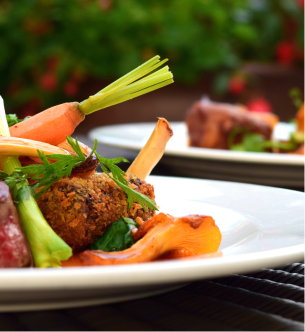



Best food

How to Experience the World’s Best Food Without Leaving Your City

How to Experience the World’s Best Food Without Leaving Your City

In a world where culinary experiences are often confined to travel, it’s entirely possible to embark on a global gastronomic journey without setting foot outside your city. Whether you’re in Islamabad or any other urban center, the opportunity to savor international flavors is at your fingertips. This guide explores how to experience the world’s best food locally, blending cultural exploration with culinary delight.

1. Explore Local International Eateries

Modern cities are melting pots of cultures, and their culinary scenes reflect this diversity. In neighborhoods across the globe, you can find authentic dishes from various countries, prepared by chefs who bring their heritage to the kitchen.

For example, in Islamabad, you can find restaurants offering authentic Chinese, Italian, Middle Eastern, and Thai cuisines. These establishments often employ chefs from the respective countries, ensuring an authentic dining experience. Exploring these local international eateries allows you to taste dishes from around the world without leaving your city.

2. Host Themed Dinner Parties

Transform your dining table into a global feast by hosting themed dinner parties. Choose a country, research its traditional dishes, and prepare a menu that reflects its culinary heritage. Invite friends and family to join in this cultural exchange, making it a fun and educational experience for everyone involved.

For instance, you could host an Italian night featuring pasta dishes and tiramisu, or a Japanese evening with sushi and tempura. This approach not only introduces you to new flavors but also fosters a deeper appreciation for different cultures.

3. Participate in Cooking Classes

Engaging in cooking classes allows you to learn the art of preparing international dishes. Many culinary schools and local chefs offer workshops where you can master the techniques behind your favorite global cuisines. This hands-on experience not only enhances your cooking skills but also deepens your appreciation for different culinary traditions.

In cities like Islamabad, culinary schools often offer classes in various cuisines, from French patisserie to Thai street food. Participating in these classes can be a fun and educational way to experience global flavors.

4. Attend Food Festivals and Events

Food festivals are excellent opportunities to sample a variety of dishes from around the world in one place. These events often feature local and international chefs, cooking demonstrations, and tasting sessions, providing a comprehensive culinary experience. Keep an eye out for food festivals happening in your city, as they can be gateways to discovering new flavors and cuisines.

In Islamabad, events like the Pakistan Food Festival showcase the country’s rich culinary heritage, offering dishes from various regions. Attending such festivals allows you to experience a wide array of flavors and cooking styles.

5. Utilize Online Resources

The internet is a treasure trove of culinary knowledge. Platforms like YouTube, food blogs, and cooking websites offer recipes, cooking techniques, and cultural insights into various cuisines. By exploring these resources, you can recreate authentic dishes from around the world in your own kitchen.

Websites like Allrecipes, Bon Appétit, and BBC Good Food provide a plethora of recipes and cooking tips. Additionally, YouTube channels dedicated to cooking tutorials can guide you step-by-step in preparing international dishes.

6. Collaborate with Local Chefs

Many chefs offer private dining experiences or cooking sessions where they prepare meals from their native countries. Collaborating with such chefs allows you to experience authentic dishes and learn about the culinary traditions of different cultures.

In Islamabad, some chefs offer private dining experiences featuring cuisines like French, Italian, or Middle Eastern. Engaging with these chefs provides an intimate and authentic culinary experience.

7. Visit Local Farmers’ Markets

Farmers’ markets are not only places to buy fresh produce but also hubs for discovering local and international ingredients. Vendors often sell specialty items that are hard to find in regular grocery stores. By visiting these markets, you can gather authentic ingredients to prepare international dishes at home.

In Islamabad, markets like the Sunday Bazaar offer a variety of fresh produce and specialty items. Exploring these markets allows you to find unique ingredients for your culinary experiments.

8. Travel Through Your Taste Buds

While traveling physically may not always be possible, you can still embark on a journey through your taste buds. Experiment with recipes from different countries, use spices and ingredients from various cultures, and create a global dining experience at home.

For example, you could prepare a Moroccan tagine using spices like cumin and coriander, or a Korean bibimbap with gochujang sauce. This approach allows you to explore global flavors without leaving your kitchen.

9. Experience the Artist Cottage Woodstock

For those seeking a serene and inspiring environment to enhance their culinary adventures, consider a retreat to the Artist Cottage Woodstock. Located in the heart of Woodstock, New York, this former artist’s studio has been lovingly converted into a spacious two-bedroom cottage. The cottage’s design incorporates natural elements such as wood, light, and metal, creating a tranquil setting that fosters creativity and relaxation.

The eat-in kitchen is stocked with high-quality cookware and appliances, including Le Creuset cookware, Sabatier knives, a Nespresso coffee-maker, and a cold-pressed juicer and blender. This well-equipped kitchen allows you to prepare and enjoy international dishes in a comfortable and inspiring environment.

Additionally, the cottage offers amenities like a screened-in porch, a far-infrared sauna, and access to outdoor activities such as hiking and mountain biking. These features provide opportunities to relax and rejuvenate after a day of culinary exploration.

10. Stay Open to Fusion Cuisines

Fusion cuisine combines elements from different culinary traditions to create innovative dishes. Exploring fusion restaurants in your city can introduce you to unique flavors and cooking techniques that blend the best of both worlds.

In Islamabad, some restaurants offer fusion dishes that combine local flavors with international influences. For example, you might find a pizza topped with traditional Pakistani ingredients like seekh kebabs or a sushi roll filled with spicy chicken tikka.

Conclusion

Experiencing the world’s best food without leaving your city is not only possible but also an enriching endeavor. By exploring local culinary scenes, participating in cooking classes, attending food festivals, and embracing international flavors, you can embark on a global gastronomic journey from the comfort of your home. So, don your chef’s hat, gather your ingredients, and let your taste buds travel the world.

Find best restaurants


Things to do in Amsterdam Netherlands

Things to do in Amsterdam Netherlands

Things to do in Amsterdam Netherlands. Best places to travel in 2025

Amsterdam, the capital of the Netherlands, is a vibrant city known for its picturesque canals, rich history, and cultural heritage. With its charming cobblestone streets, historic buildings, and iconic bicycle culture, Amsterdam offers a unique blend of modernity and tradition. The city is also famous for its lively neighborhoods, trendy cafes, and diverse dining scene. Whether cruising along its scenic canals, visiting art galleries, or simply strolling through the parks, Amsterdam offers an unforgettable experience full of beauty, history, and charm.

Here are some of the best places to travel in Amsterdam, Netherlands in 2025:


Anne Frank House

The Anne Frank House in Amsterdam is one of the city’s most moving and powerful historical sites. Located on Prinsengracht canal, it preserves the secret annex where Anne Frank, her family, and others hid during World War II. Walking through the narrow rooms, visitors experience the atmosphere of fear and hope described in Anne’s famous diary. The museum offers deep insights into the Holocaust, Jewish history, and the personal story of a young girl whose words continue to inspire.

Van Gogh Museum

The Van Gogh Museum in Amsterdam is a must-visit for art lovers and cultural explorers alike. Home to the world’s largest collection of Vincent van Gogh’s works, the museum offers an intimate look into the life and genius of the Dutch painter. From iconic masterpieces like Sunflowers and The Bedroom to personal letters and early sketches, the exhibits trace Van Gogh’s emotional journey and artistic evolution. The modern, beautifully designed space also showcases works by his contemporaries, giving context to his influence. A visit to the Van Gogh Museum is both inspiring and deeply human, capturing the soul behind the art.

Rijksmuseum

The Rijksmuseum in Amsterdam is the Netherlands’ national museum and a treasure trove of Dutch art and history. Housed in a stunning Gothic-style building, it features masterpieces from the Dutch Golden Age, including Rembrandt’s The Night Watch and Vermeer’s The Milkmaid. With over 8,000 objects on display, the museum offers a journey through centuries of art, sculpture, and historical artifacts. Its beautifully curated galleries highlight the richness of Dutch culture and global influence. Beyond the art, the Rijksmuseum’s manicured gardens, elegant café, and library add to the experience. It’s a must-visit landmark for anyone exploring Amsterdam’s cultural heart.

NEMO Science Museum

The NEMO Science Museum in Amsterdam is a vibrant, hands-on science center that sparks curiosity in visitors of all ages. Housed in a striking, ship-shaped building designed by Renzo Piano, NEMO stretches over five interactive floors filled with experiments, exhibits, and fun scientific facts. From exploring the human brain to generating electricity, every display invites learning through play. The rooftop offers stunning views of the city—and doubles as an outdoor science lab. Whether you’re a kid or just curious like one, NEMO makes science exciting, accessible, and unforgettable. It’s a must-visit for families, tech lovers, and the endlessly inquisitive.

Our Lord in the Attic Museum

Tucked away in the heart of Amsterdam, Our Lord in the Attic Museum (Ons’ Lieve Heer op Solder) is one of the city’s most unique and intimate historical sites. Visitors can explore the richly decorated chapel, period rooms, and winding staircases, stepping back in time to experience a hidden story of faith and resilience.

Vondelpark

Located near the Museumplein, this sprawling urban park offers a peaceful escape with scenic walking paths, open lawns, and tranquil ponds. Cyclists, joggers, and picnickers fill its leafy lanes, while kids enjoy the playgrounds and open spaces. Vondelpark also hosts open-air theatre performances and has cozy cafés where visitors can relax. Opened in 1865 and named after poet Joost van den Vondel, the park blends nature, culture, and community spirit.

A’DAM Lookout

Just a short (and free!) ferry ride from Central Station, this sky-high experience gives you a breathtaking look at Amsterdam’s historic skyline, bustling harbor, and beyond. But the real thrill? “Over the Edge”—Europe’s highest swing, letting you dangle over the edge of the tower, 100 meters up. For something more relaxed, enjoy a drink at the rooftop bar or dine at the revolving Moon restaurant.

Het Amsterdamse Bos

Het Amsterdamse Bos is a massive green playground on the edge of Amsterdam, three times the size of New York’s Central Park. Built in the 1930s, this lush, tree-filled escape offers something for everyone—cycling paths, canoe routes, picnic spots, and even a rowing course. It’s a local favorite for weekend strolls, outdoor adventures, and family outings. Kids love the goat farm and playgrounds, while springtime brings crowds to the stunning cherry blossom park. Whether you’re after calm or activity, Het Amsterdamse Bos is where city meets nature—a perfect spot to relax, recharge, or roam free just minutes from the city.

Magere Brug (Skinny Bridge)

Magere Brug, or the “Skinny Bridge,” is one of Amsterdam’s most charming and iconic landmarks. Spanning the Amstel River, this picturesque wooden bridge has been around since 1691, though the current version dates back to 1934. Its narrow, elegant design and beautiful white paint make it stand out, especially when lit up at night with over 1,200 lights, creating a magical atmosphere. The bridge is a favorite for romantic walks, and local legend says that sharing a kiss here guarantees eternal love. Whether by day or night, Magere Brug remains a must-see part of Amsterdam’s stunning canal network.

Jeugdland

Jeugdland is a hidden gem in Amsterdam, offering kids an incredible space to play and explore. Located in Amsterdam East, this 4-hectare nature playground is all about getting back to basics with outdoor fun. Kids can build forts, climb on a giant slide, or enjoy the barefoot path while surrounded by greenery. There’s also a city farm, where they can interact with animals, and workshops like “Seed to Meal,” teaching children how to grow and cook their own food. Open Tuesday to Sunday, Jeugdland is a fantastic, free spot for children to get creative and experience nature in a hands-on way.

Albert Cuyp Market

Since 1905, it has been a hub of activity with over 260 stalls offering everything from fresh produce and cheeses to street food and clothing. You’ll find Dutch favorites like herring and stroopwafels, along with international flavors reflecting the city’s multicultural vibe. Open six days a week, the market is a must-visit for anyone looking to experience the local culture and hunt for unique bargains. Whether you’re a foodie, shopper, or simply soaking in the atmosphere, Albert Cuyp is a true Amsterdam experience.

Heineken Experience

The Heineken Experience in Amsterdam is a must-visit for beer lovers and curious travelers alike. Set in the original 1867 Heineken brewery, this interactive tour takes you through the history, brewing process, and innovation behind one of the world’s most famous beers. The experience includes engaging exhibits, like the “Brew You Ride,” which immerses visitors in the brewing process, and tastings that highlight the flavors of Heineken. You’ll also learn how to pour the perfect pint. The tour ends at the vibrant Heineken bar, where you can enjoy a cold beer and soak in the lively atmosphere.

De 9 Straatjes (The Nine Streets)

De 9 Straatjes, or The Nine Streets, is a charming neighborhood nestled in the heart of Amsterdam’s Canal Belt. This picturesque area, made up of nine narrow streets, is a haven for boutique shopping, trendy cafés, and unique galleries. Visitors can wander through cobblestone streets lined with independent shops, offering everything from vintage fashion to handmade jewelry and artisanal goods. The Nine Streets are also home to cozy cafés and restaurants, making it a perfect spot for a leisurely afternoon. With its historic charm and vibrant atmosphere, De 9 Straatjes offers a delightful and authentic Amsterdam experience.

Louf Bakery

Louf Bakery is a local favorite in Amsterdam, known for its freshly baked sourdough bread, flaky pastries, and rich coffee. With locations in Oud-West, De Pijp, and Westerpark, Louf has become a go-to spot for both residents and visitors. Their menu features a delicious range of baked goods, from buttery croissants to seasonal treats like miso cookies and savory sandwiches. The cozy ambiance makes it perfect for a relaxing breakfast or a quick pick-me-up. Whether you’re grabbing a loaf of bread to go or enjoying a pastry on-site, Louf Bakery offers a warm, welcoming experience with every visit.

Kef Cheese Shop

Kef Cheese Shop is a hidden gem in Amsterdam for cheese lovers. Established in 1953, this family-owned shop has become a staple for locals and visitors alike, offering a carefully curated selection of cheeses from both the Netherlands and beyond. Whether you’re looking for creamy French brie or traditional Dutch goudas, Kef has it all. The staff is friendly and knowledgeable, always ready to guide you through their assortment. For an extra treat, visit their Noord location, which features a cozy tasting room where you can enjoy expertly paired cheeses and wines.

Proeflokaal ‘t Blauwe Theehuis

Proeflokaal ‘t Blauwe Theehuis is a charming and unique spot in the heart of Vondelpark, Amsterdam. Housed in a striking, 1930s-era building with a distinctive flying saucer shape, this beer tasting room offers visitors a cozy yet vibrant atmosphere. Guests can enjoy a refreshing drink on the spacious terrace, play pétanque or table tennis, and grab a bite from the delicious food menu. With its mix of history, design, and great beer, it’s a perfect place to unwind in the park.

Café De Engelbewaarder

Café De Engelbewaarder, located in the heart of Amsterdam, is a charming and historic café that captures the essence of the city’s vibrant culture.  The café serves a variety of drinks, from rich coffees to refreshing cocktails, accompanied by a selection of delicious pastries and snacks. Its warm, inviting atmosphere makes it an ideal place to relax, chat with friends, or enjoy a quiet moment. A visit to Café De Engelbewaarder offers a true taste of Amsterdam’s café culture.

NDSM Wharf

NDSM Wharf in Amsterdam is a dynamic and creative hub located in the city’s northern district. Once a thriving shipyard, it has transformed into an artistic haven, attracting artists, designers, and creatives from around the world. The area is known for its striking street art, industrial architecture, and vibrant cultural scene. Visitors can explore unique galleries, workshops, and quirky cafes, while enjoying the impressive outdoor murals and sculptures that adorn the site. NDSM Wharf hosts regular events, such as festivals and markets, making it a must-visit destination for those seeking an alternative and artistic side of Amsterdam.

Plastic Whale Tours

Plastic Whale Tours in Amsterdam offers a unique and environmentally conscious way to experience the city’s famous canals. This innovative tour combines sightseeing with environmental action, as guests help remove plastic waste from the water. Participants board electric boats, which are crafted from recycled plastic, and use nets to collect floating debris during the tour. It’s a fun and interactive way to raise awareness about pollution, while also contributing to the preservation of Amsterdam’s beautiful waterways. It’s an experience that makes a real impact.

IJ-Hallen Flea Market

The IJ-Hallen Flea Market in Amsterdam is a must-visit for anyone who loves unique finds. Held monthly at the NDSM Wharf in Amsterdam-Noord, it is one of Europe’s largest and most diverse flea markets. With over 750 stalls, visitors can browse a wide range of vintage clothing, antiques, furniture, records, and quirky collectibles. The market takes place in vast indoor warehouses and an outdoor space, creating a lively, bustling atmosphere. Easily accessible by a free ferry from Amsterdam Central Station, IJ-Hallen offers a fun and adventurous shopping experience, perfect for treasure hunters and lovers of all things vintage.

Are you looking for best places to stay in Amsterdam? Find best hotels
Are you looking to buy a property in Amsterdam? Find agents
Perfect travel planning

Perfect Travel Planning

Perfect Travel Planning. A Step-by-Step Guide Through Each Month

Laying the Foundation for Adventures Ahead

The initial phase of planning any journey involves harnessing curiosity and fueling excitement and exploration. As the earliest stages take shape, possibilities unfold while practical considerations come into focus. For many, this stage sparks wonder as destinations swim in an ocean of potential.

With anticipation mounting, the natural first move involves sparking ideas through wide-ranging research. Brainstorming kindles imagination as online searches and guidebooks reveal many enticing spots. Discussions with experienced travellers can also uncover hidden gems worth uncovering. At this point, assessing dates proves prudent, too, as it helps dodge crowded seasons if seeking a more serene experience.

When selecting potential places, it is wise to examine what draws you. For some, culture calls loudest, with histories, art, and celebrations beckoning across continents. Others gravitate to nature’s majestic realms, from beaches and rainforests to mountains and glaciers. Activity aficionados scan for opportunities to surf, hike, bike, or soak in scenic panoramas. Gastronomic explorers scout the globe for regional delicacies that are too delectable to pass up.

With initial options on the table, drilling down involves hunting clues on each. Guiding light sources range from cursory internet searches to meticulous guidebook readings. Trapping virtual streets via Google Maps helps gauge destinations’ walkability and transit access. Notes begin documenting highlights like must-see sites, festivals, restaurants and outdoor hotspots for each contender.

Logistics demands attention at this phase as well. Comparing transportation alternatives and costs prepares the way. Researching flight routes, durations, and prices establishes parameters for departure and return planning. Train, bus, ferry, and rideshare possibilities also emerge for inter-city or intra-destination travel. The solace of having lodging plans sketched out reduces later worries, so hotel, hostel and rental research commence.

Another vital legwork element involves scoping climate patterns, from temperature trends and rainfall amounts to hurricane/typhoon/monsoon seasons, and knowing what to pack and when proves invaluable later. Cultural norms and safety considerations regarding scams, protests or tensions also surface. For non-English destinations, assessing language barriers and translating key phrases deepen readiness.

Armed with a growing basket of details, the promising places begin taking a more precise form. Preliminary selection helps transform the initially vast pool into a shortlist of top candidates. With locations primed for deeper evaluation, the next phase awaits – crafting an itinerary to bring the visions to vibrant life.

Weaving a Tapestry of Travel Dreams

As locations become sharper, stitching together a preliminary itinerary facilitates the next steps. This stage involves mingling the objectives, logistics, and time allowed to invent an intentionally designed journey across destinations.

First, select which spots will ultimately be cut. Comparing notes on highlights, activities, and practical factors assists in sharpening the final lineup. With the priority places chosen, determining how many days to devote to each helps establish a smooth pace. Major cities may warrant 5-7 days to fully immerse, while smaller gems could receive 2-3 to soak up flair.

Once segment durations are set, mapping travel between locations is a crucial arranging exercise. Domestic and international flight routes, train lines, ferry routes and bus corridors start connecting the dots. Leaving buffer days for unexpected journey delays or unplanned adventures also proves prudent at this phase.

Delving into daily plans within each destination allows the itinerary to blossom in depth. Using time blocks helps plot sightseeing routes, activity bookings, transit connections, and meal breaks in a balanced manner. Mixing must-see landmarks, neighbourhood wandering, and cultural events break up potentially tiring full-sightseeing days.

Allowing leisure time for relaxation, naps, or serendipitous discoveries adds richness. Selecting just one or two structured plans per location leaves space for spontaneity and flexibility as experiences unfold. Recommendations from guidebooks and online communities suggest extra options to consider as well.

It plans efficiently situated travel-day bookends around destination segments to build the necessary margin. This means sketching arrival/departure hotel plans, transportation to/from airports/stations, and optimal transit times. Finalizing lodging, especially during peak seasons, also spurs proactive reservations at this stage.

With segment durations, travel logistics and initial daily activities pieced together, the blueprint takes visible form. Regularly reviewing and tweaking the flow enhances cohesion across the diverse regions. Digital or print calendar scheduling saves the evolving masterpiece. As further preparations strengthen, anticipation mounts for adventures by design.

Concrete Plans Set the Stage for Exploration

Arriving at the month when arrangements transform from objectives to commitments, excitement intensifies as tangible bookings breathe life into the itinerary vision. Concrete lodging and transportation reservations establish the literal and figurative foundations for the journey ahead.

Comparing options online facilitates strategic accommodation decisions aligned with planned activities, styles, and budgets—factors like location, amenities, reviews, and cancellation policies guide selections. Booking early often secures the best available rooms, especially in popular destinations during high seasons. Confirming with deposit payments and collecting confirmation details completes this pivotal step.

Transportation bookings come next, starting with crucial international and domestic flights between headline cities. Examining myriad carrier and date alternatives and locking in preferred options adds another layer of certainty. Train rides, often scenic complements to flight travel, undergo a similar selection and ticketing process when scheduled. Other public or organized transit modes follow suit.

Car rentals surface as viable options when independent exploration features prominently on the agenda. Thoroughly scrutinizing vehicle class, estimated costs, insurance coverage, driver age stipulations, and pickup/dropoff logistics proves prudent. Final payments deliver rental reservations into the confirmation folder.

Now apply for planned activities requiring pre-purchase, structured research and timely ticket buying. Popular shows, tours, and culinary or cultural workshops fill quickly, while same-day availability cannot be relied upon. They were collecting electronic receipts or hard tickets to shield against last-minute glitches. Proof of travel insurance finalized before departure day draws near.

Budgeting throughout prevents sticker shock later. With a broader view, adjusting bookings if necessary to better accommodate evolving preferences or savings remains feasible during this phase. Organizing travel documents methodically into one accessible carry-on bag maintains ready access when wheels are in motion.

With the in-depth preparations now substantially complete, anticipation hits a fever pitch. Seasoned travelers need to understand that guidebooks or itineraries can only partially prepare them for life’s delightful surprises along the journey. Though the exciting Adventures call is just weeks away, relaxation and last-minute to-do lists occupy the final preparatory weeks.