
Marracuene Mozambique Culture and Lifestyle
Discover Marracuene Mozambique—rich culture, Marrabenta music, relaxed lifestyle, strong community spirit, local markets, and vibrant traditions by the Incomáti River.
About Marracuene, Mozambique
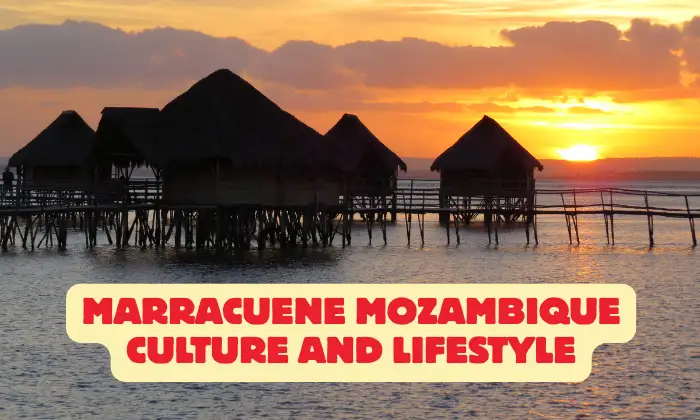
Marracuene is a historic and vibrant town in southern Mozambique, located just north of Maputo along the Incomáti River. Known for its rich cultural heritage, Marracuene played an important role in Mozambican history and is celebrated for its strong community spirit.
Marracuene District is located in Maputo Province, southern Mozambique, along the Incomati River. It is known for its agricultural activities, fishing, and cultural heritage. The district plays an important role in supplying food to Maputo City and features growing residential and tourism development.
Município de Marracuene is a fast-growing municipality in Maputo Province, Mozambique. Located north of Maputo City, it is known for agriculture, fishing, and local markets. Marracuene plays an important role in regional development and connects urban life with traditional Mozambican culture.
Marracuene is also known for local markets, fresh seafood, and lively social gatherings. With its relaxed atmosphere and cultural pride, Marracuene reflects the authentic spirit of Mozambican life.
Music and Dance at the Heart of Mozambican Life
Mozambicans Love Music, Dance, Community, and the Ocean: A Deep Dive into Mozambican Culture and Lifestyle.
Music is central to Mozambican identity, and no genre represents this better than Marrabenta music. Originating in Maputo, Marrabenta blends traditional rhythms with Portuguese and African influences, creating upbeat sounds that inspire movement and connection. Mozambicans love to dance—at family gatherings, festivals, weddings, and even informal street celebrations. Dance is not just entertainment; it is a powerful form of expression and storytelling passed down through generations.
Traditional drumming, contemporary Afro-pop, and fusion genres also play an important role in modern Mozambican music culture. Whether in urban neighborhoods or rural villages, music brings people together and reinforces strong community bonds.
A Relaxed Pace and Strong Community Spirit
One of the most defining aspects of Mozambican lifestyle is its relaxed pace of life. Mozambicans value spending time together, sharing meals, stories, and laughter. Community life is deeply ingrained, with neighbors supporting one another and social gatherings forming the foundation of daily living.
This slower rhythm allows people to truly connect, reinforcing Mozambique’s reputation as one of the friendliest destinations in Southern Africa. Hospitality is not a formality—it is a way of life.
Exploring Vibrant Local Markets Like FEIMA
Local markets are cultural hubs in Mozambique, and FEIMA (Feira de Artesanato, Flores e Gastronomia de Maputo) is among the most popular. This lively market showcases Mozambican crafts, traditional food, and local artistry. Visitors can explore hand-carved wooden sculptures, vibrant Capulana fabrics, jewelry, and paintings that reflect Mozambique’s rich storytelling traditions.
Markets like FEIMA are more than shopping destinations; they are places where culture, conversation, and creativity intersect. They also play a key role in supporting local artisans and preserving traditional skills.
Stunning Indian Ocean Beaches and Marine Life
Mozambique is world-famous for its Indian Ocean beaches, offering pristine coastlines, crystal-clear waters, and abundant marine life. Destinations such as Tofo Beach, Bazaruto Archipelago, and Ponta do Ouro are top spots for diving and snorkeling in Mozambique.
The country’s coral reefs are home to whale sharks, manta rays, dolphins, and colorful tropical fish, making Mozambique a paradise for ocean lovers. Beach life is deeply woven into local culture, with fishing, sailing, and coastal festivals connecting communities to the sea.
Passion for Football (Soccer)
Football, or soccer in Mozambique, is more than a sport—it’s a national passion. From sandy beach games to packed stadiums, football unites people across age, background, and region. Local clubs and international leagues are followed with intense enthusiasm, sparking lively debates and celebrations.
For many young Mozambicans, football represents hope, unity, and opportunity, making it a powerful force in both urban and rural communities.
Rich Storytelling Through Art and Festivals
Mozambican storytelling thrives through visual art, textiles, music, and festivals. Capulanas, colorful patterned fabrics worn by women and men, are symbolic and expressive, often reflecting cultural identity and life events. Wood carvings, masks, and sculptures tell stories of ancestors, nature, and spiritual beliefs.
Cultural festivals across Mozambique celebrate history, dance, music, and local traditions, ensuring that heritage remains alive and dynamic. These events attract visitors and locals alike, strengthening national pride and cultural preservation.
Vila de Marracuene is an important historic town located in Maputo Province, southern Mozambique, along the Incomati River. It is well known for its rich cultural heritage and its role in Mozambican history, especially the Battle of Marracuene, which marked resistance against colonial forces. The town has a strong agricultural base, with local communities engaged in farming, fishing, and small-scale trade. Traditional markets play a central role in daily life, offering fresh produce and handmade goods. Vila de Marracuene also serves as a growing residential area, connecting rural traditions with modern development near Maputo City.
Conclusion
Mozambicans love life in all its expressive forms—music, dance, community, art, football, and the ocean. With its rich cultural traditions, welcoming people, vibrant markets, and breathtaking beaches, Mozambique stands out as a destination full of soul and rhythm. Whether you are drawn by Marrabenta music, snorkeling in the Indian Ocean, or the warmth of community life, Mozambican culture offers an unforgettable experience rooted in connection, creativity, and joy.
Discover best eateries and travel places around the world