



Florence

Exploring Rome on Foot

Home >> Blog

Exploring Rome on Foot

Discovering the Hidden Beauty of Rome

Unearthing Rome’s Hidden Gems

Rome is universally renowned as a city steeped in history and infused with immersive cultural richness. However, beyond the coliseums and forums that constantly swarm with tours, the Eternal City still safeguards many covert wonders lying in wait to astonish intrepid urban adventurers. This narrative aims to serve as a navigator to uncover several of Rome’s least publicized yet most fascinating locales that epitomize the metropolis’s soul.

We will commence our exploration by setting the historical stage. After a brief précis of Rome’s illustrious two millennia timeline, from the Roman Kingdom’s inauguration to the contemporary capital of Italy, the article will then astutely propose that exploring the well-beaten routes allows intimate familiarization with authentic aspects of Roman lifestyle obscured from superficial day trips. Furthermore, wandering at one’s own pace unveils charming glimpses into narrow alleys and tucked-away corners beyond crowded buses and guided cliques.

In conclusion, this exposé invites intrepid travelers to step off well-worn avenues and embark on a personal investigation of Rome’s covert aspects, imparting immersive cultural understanding rather than ticking sites off a list. Meandering down unheralded lanes and soaking in the spellbinding atmosphere promises rich rewards for those unfettered by itineraries. We commence our solitary stroll through Rome’s unseen majesty!

Marvels and Enclaves to Illuminate along Your Journey 

Rome’s acclaimed landmarks naturally lure multitudes of footsteps. However, allocating sufficient time to absorb some of the city’s vibrant quarters also offers intimate familiarity with authentic Eternal City living. We recommend dedicating half a day each to select attractions and neighborhoods accessible via the nearest Metro stations.

First, on our suggested itinerary, the iconic Piazza Navona never disappoints with its ornate fountains and lively atmosphere. Nearby, the Pantheon‘s imposing portico leads to a domed interior granting awe-inspiring acoustics. After taking in millennia of history, indulge in people-watching over an alfresco cappuccino on Piazza Farnese.

Venturing further across the Tiber, the Trastevere district epitomizes village-like charm within an urban sprawl. Soak up the aged ambience on Piazza San Cosimato and hunt for hidden trattorias tucked along lively alleys. Nearby, the Villa Farnesina shelters exquisite frescoes open on select afternoons for those craving culture beyond the crowds.

No agenda is complete without the Vatican. Dedicate mornings to sequester intimacy inside St. Peter’s Basilica before crowds swell. Afterwards, the Castel Sant’Angelo recounts timeless tales along the Lungotevere promenade lining the Tiber.

Southeast of the Vatican, Testaccio exemplifies working-class roots with its traditional restaurants and village atmosphere. Linger over craft ales and pizza al  surrounded by graffiti-covered walls. Conclude your afternoon on Monte Testaccio with idyllic vistas of Rome’s skyline as the golden glow envelops iconic silhouettes.

We trust these treasured sites and districts will delight you as you wander Rome’s roads less traveled. May your sole souvenirs comprise durable memories of escapades of the filled maps.

Buried Marvels Awaiting Discovery Beneath Rome’s Surface 

Beyond the extensively documented icons, the Eternal City conceals numerous lesser-known secret wonders worthy of dedicated exploratory excursions. Arm yourself with patience and a spirit of adventure as you dip beneath the radar to excavate Rome’s underpublicized marvels.

For Gothic Revival elegance, uncover the majestic church of San Carlo alle Quatro Fontane, nestled innocuously along a nondescript avenue. Admire its exquisite facade and hemispherical interior dome. Nearby, the Ara Pacis shelters a well-preserved ancient altar increasingly appreciated for its symbolic imagery.

History lovers will relish peeling back centuries at the atmospheric Protestant Cemetery, which shelters a who’s who of visiting expats. Linger among crumbling headstones recalling the Romantic Era. Noteworthy painters like Keats and Shelley have earned their eternal repose here.

Art enthusiasts must venture to Villa Borghese Park’s Galleria Borghese to gape at masterworks by Caravaggio and Bernini amidst only a handful of permitted visitors—book tickets well in advance to secure access to its impeccably curated holdings.

Nature buffs should stretch their legs amidst greenery along the Augustan and Servian Walls to admire panoramas from Rome’s highest points, which centuries ago were deemed most strategically defendable. They can also picnic along its hiking paths and contemplate ancient times.

With such hidden finds to discover off tourists’ maps, Rome promises rich rewards for those branching away from the well-trodden routes every visitor knows. Now, get lost in history!

Insider Information for a Smooth Sightseeing Experience

Now that you are armed with tantalizing destinations beyond the radar, some insider advice will fortify your explorations of Rome’s secret wonders.

Firstly, aim to visit during the shoulder seasons of April-June and September-October, when temperatures are mild, yet crowds are minimal. Summer’s swelter deters many, yet spring blooms delight.

Dress for changeable conditions with versatile layers. Comfortable walking shoes are paramount, as distances add up relentlessly. Pack a daypack equipped for urban hiking with refillable water, a map, sun protection, and snacks for refueling.

Roman traffic alarms foreigners, yet footpaths render driving unnecessary. Map metro routes beforehand as stations pepper the city. Alternatively, e-scooter rentals smoothly cover distances if handled with care amidst mopeds.

Grab a panini from a forno or pizza rustica slices on the go for convenient sightseeing sustenance. Sit-down meals prove an event in themselves—expect leisurely service yet impeccable homestyle cooking. Book ahead somewhere recommended if dining late.

Taking periodic breaks restores energy and enhances experiences. Many churches quietly mesmerize with meditative lighting and silence when crowds diminish. Leafy piazzas like Piazza Farnese or di Santo Spirito appeal for picnicking.

When inevitably lost, Approach locals congenitally – most Romans showcase pride in discussing their city. Digital maps also improve navigation when data is accessible. Above all, maintain flexibility and curiosity. Every surprise encounter further enriches your Roman Odyssey. Buon viaggio!


Dubrovnik in Croatia

Dubrovnik. Capturing the Splendor of Shoreline

Dubrovnik is a city in southern Croatia. Capturing the Splendor of Shoreline with Landscape Photography of Old Town and the Adriatic Sea.

Capturing the Splendor of Dubrovnik’s Shoreline

Situated along Croatia’s picturesque Adriatic coast lies the idyllic port city of Dubrovnik. It is renowned for its storied old town, enclosed by monumental walls and uniquely breathtaking panoramas of the shimmering sea. For landscape photographers venturing to this medieval marvel, a treasure trove of compelling compositions awaits, from the architectural arrest of its marble-laden streets to the sweeping seaside vistas overlooking azure waters.

Within the pedestrian-only confines of Dubrovnik’s Old Town, an intricately preserved 15th-century nucleus surrounded by imposing limestone ramparts, visitors can spend hours soaking in the atmospheric alleyways and discovering charming plazas at every turn. It is here where photography enthusiasts will find bountiful places to frame Adriatic allure, whether it’s the glistening waves and jagged Dalmatian coastline visible through the arched windows of St. John’s Fortress or the intricate ornamentation of Gothic churches spotlighted within sun-drenched courtyards. Of course, catching the most dramatic scenes requires patience and planning, as the most photogenic moments often correspond to the sparkling light of dawn or dusk.

Outside the fortifications, winding pathways scale the steep flanks of Mount Srđ, delivering eagle-eyed voyeurs panoramic prospects reaching from the picturesque old city rooftops to scenic offshore islands. On clear days, it’s easy to spend an afternoon captivated by the mesmerizing landscapes unfurling from this lofty vantage point over one thousand feet above sea level. Equally scenic are the pebbled beaches and coves bordering Dubrovnik’s perimeter, idyllic settings for atmospheric sea shots showcasing the dazzling Adriatic surrounded by craggy limestone cliffs.

For landscape photographers, Dubrovnik serves as a visual feast overflowing with conceptual possibilities at every turn, from the rustic allure of its walled inner sanctum to the striking seascape backdrops enveloping its perimeter. Within its compact medieval boundaries, an array of architectural eye candy awaits, like gracefully adorned church domes, robust bastions overlooking the sea, and the sturdy ramparts themselves, all providing visually striking subjects sharply accentuated by dramatic local lighting. Meanwhile, broader panoramas accessible from elevated viewpoints encompass not just Dubrovnik and its necklace of outlying islands but also a magnificently photogenic coastline etched with inlets, capes and sandy shorelines as far as the eye can see.

With an abundance of inspiring vistas blended with a storied history and old-world ambience, Dubrovnik promises to stir the creative visions of photographers. It provides unlimited thrills for those eager to frame its atmosphere. In the following sections, we’ll explore the top spots to experience Dubrovnik’s scenic splendors firsthand and learn tips for capturing scenes that reflect the magic of this picture-perfect Adriatic paradise from both land and sea.

Ephemeral Vistas of the Adriatic

When visiting Dubrovnik, discerning photographers will want to prioritize several specific locales renowned for their scenic splendor and photographic potential. Chief among these is the battlement-lined promontory of Mount Srđ, requiring a brief cable-car journey or steep hike but offering unrivaled vistas across the entire region. From its lofty summit at 1,625 feet, mesmerizing panoramas unveil the terracotta-tiled rooftops of Old Town cradled within its protective walls and the sparkling Adriatic encircling the coastline as far as the eye can see. Come prepared to spend hours enraptured by the ever-changing seascape colours shifting with the sun’s movement.

Within the warren-like lanes of Old Town, another prized spot for postcard panoramas can be found at the western edge of the Pile Gate entrance. Gazing through the arched opening framing the sturdy fortress, visitors are treated to captivating scenes capturing Old Town’s stone buildings cascading towards the sea. Given its popularity, photographers will want to visit in the early morning or late afternoon for more solitude. Atop the bastions of the 15th-century St. John’s Fortress, landscape lovers can frame memorable images combining Dubrovnik’s walled domain with the sparkling Adriatic waters in the distance below.

Venturing a bit further, the pebble beaches dotting Dubrovnik’s coastline, such as Banje and Lapad, also set an idyllic scene. Here, photographers can play with incorporating Old Town’s silhouette on the horizon or capturing the scattering of islands appearing to float offshore. Spending sunrise or sunset by the shore often rewards those patient enough with mesmerizing lighting effects rendered against the ever-changing seascapes. Additionally, spots like Mount Srđ afford options to frame compositions, including land and sea vistas sweeping from the city walls to the azure ocean beyond.

With its palette of captivating vistas and historic landmarks imbuing photographs with atmosphere and character, Dubrovnik never ceases to inspire. By prioritizing locations providing optimal views and conditions, landscape photographers can return home with images truly evoking the incomparable natural splendor of Croatia’s Adriatic jewel.

Maximizing Dubrovnik’s Scenic Splendor

Capturing Dubrovnik’s natural appeal to its fullest requires understanding optimal photographic techniques. Chief among these is taking advantage of dramatic light. Golden hours around sunrise and sunset infuse scenes with magic, accentuating textures and radiating warm hues. Photographers should also seek out overcast conditions, which spread diffused light and are ideal for showcasing architectural details. Backlit subjects like the Old Town walls assume an ethereal aura. Mastering light yields timeless images evocative of Dubrovnik’s aura.

Just as crucial as the light itself is utilizing vital foreground elements to create balanced, attractive compositions. The pebbled shoreline offers rocks, driftwood, and patterns formed by waves to neatly frame seascape backdrops. Within cityscapes, architectural features serve as ideal compositional tools. Consider including elements like entry arches, terraced buildings, or sections of wall to draw the eye lead towards the scenic highlights. Thoughtful foreground placement renders images visually satisfying.

Photographers would also do well experimenting with different angles and perspectives to capture familiar scenes in fresh, impactful ways. Shooting from low vantage points can emphasize structures’ scale, while wide-angle lenses capture panoramas. Higher angles peering over or through structures inject dynamism. Drones further expand possibilities, granting bird’ s-eye panoramas of Old Town and its coastline. New visions stimulate viewers and convey each landmark’s essence.

With its inherent beauty, Dubrovnik fosters unmistakably picturesque photos celebrating the harmony between its maritime setting and historic architecture. Adopting techniques to work with light, emphasize compositional principles, and explore novel angles unleashes the creativity within all landscape photographers, helping them return home with images truly embodying Croatia’s enchanting Adriatic gem.

To find restaurants in the tourist places, >Click Here<

Essential Guide to Iceland

Essential Guide to Iceland

Preparing to Conquer the Wilds: Planning an Adventurous Expedition Through an Untamed Landscapes of Iceland. Explore the essential guide to Iceland, the best places to visit, and more.

The call of Iceland’s remote frontiers beckons intrepid explorers to embark upon a daring quest amongst its untouched scenery. Granite cliffs towering over rugged coastlines, primordial lava fields hardened by centuries, verdant valleys cradling gurgling brooks—this Nordic archipelago safeguards an abundance of raw, natural splendors waiting to be discovered. Answering nature’s siren song demands strategizing a suitably prepared expedition into the wild unknown.

Essential Guide to Iceland: Preparing a Road Trip Adventure

This guide provides indispensable counsel for organizing the supreme Icelandic road journey. Fundamental considerations like optimal timing, accommodations, and route designations will be illuminated. Additionally, essential provisions and gear suited to the changeable climes are recommended. Driving proficiency must also acclimate to Iceland’s sparsely populated routes. Above all, maintaining flexibility enables unpredictable conditions to inhibit optimal encounters with the land’s untouched attractions.

While summer grants the most daylight for maximizing sightseeing, spring and autumn showcase nature’s transformations with minimal crowds. Packing the best months with unforgettable vistas necessitates forethought. Investigating potential stopovers and diversifying accommodation assortments fortifies flexibility when Mother Nature alters schedules. Familiarizing proposed itineraries assists enlightened modifications as discoveries delight.

Resourceful preparations birth adventurous memories to cherish for life. From navigating lunar-like lava flows to tracking elusive wildlife across sculpted slopes, Iceland broadcasts the untamed thrills awaiting the intrepid overseas. This guide’s counsel facilitates a well-provisioned odyssey into nature’s raw domain, where extraordinary landscapes continuously surprise around every bend in the road. Natural spectacles like gleaming waterfalls plummeting from dizzy heights and ethereal northern lights dancing on winter nights will amaze.

Careful preparations cultivate a fertile environment for transformative encounters with incredible scenery at every turn during this journey into Iceland’s interiors. Let inspiration stir the adventurous spirit to grasp this guide’s knowledge, commence planning, and embark towards conquering the wilds among primordial plains and craggy peaks that lone wanderers have treasured across the centuries. Iceland’s untamed spirit calls out—heed nature’s song and answer the summons to roam free across untouched expanses awaiting discovery.

Initiating the Icelandic Odyssey: Campaign Design & Prime Periods

To embark upon the excursion of a lifetime amid Iceland’s natural magnificence, meticulous preparation proves pivotal. Firstly, determining the suitable timeframe heightens enjoyment, as conditions fluctuate drastically across seasons—generally, June through August grants maximal daylight and temperate conditions ideal for myriad outdoor exposures. However, the summer solstice also attracts the largest crowds. Alternatively, September enjoys milder weather with dwindling tourists. Early summer and September thus provide balanced conditions meriting consideration.

Secondly, developing an ambitious itinerary tailored to the timeframe requires examination. Most traverse Iceland’s Ring Road, a 1,332km pavement encircling this Nordic isle and interconnecting its highlights. From Reykjavík, venturing anti-clockwise, surveys the South Coast’s volcanic scenery before traversing pastoral central and northern realms. Extending up to two weeks accommodates comprehensive Ring Road circuits with side excursions. Alternatively, focusing on the South’s sights permits shorter itineraries.

Developing a provisional schedule accounting for key attractions allows for foreseeing the duration necessary for each. The Golden Circle’s geysers and Gullfoss waterfall entail half-days, respectively. Jökulsárlón glacier lagoon and Iceland’s remote east coast equally warrant extensive exploration. Leaving some time untaxed cultivates serendipity to linger where landscapes astonish. Cross-referencing schedules with optimal weather patterns enhances enjoyment immensely.

Thirdly, researching lodging options in advance reserves accommodation, as availability diminishes in high season. Many travelers appreciate the freedom of renting motorhomes or campervans, while guests seeking amenities reserve lodges and guesthouses near highlights. Strategically preempting accommodations minimizes time relocating nightly and maximizes landmark engagement. Meticulous preparation for the Icelandic odyssey helps conquer her untamed beauty with minimal constraints.

Equipping for the Elements: Provisions to Face Iceland’s Changeable Climes

When conquering Iceland’s remote reaches, prudent packing accommodates erratic weather patterns and potential emergencies. Layers prove paramount, as temperatures fluctuate dramatically from dawn to dusk. Thermal underwear, fleece tops and trousers, waterproof outerwear, and sturdy hiking boots form the base. Additionally, glove liners grant dexterity, while heavier gloves repel rain and snow. Wool socks and a hat that covers ears prevent heat leakage. Sunglasses, sunscreen, and lip balm counter intense summer rays.

Given Iceland’s northern latitude, nights offer a few hours of darkness from June to August. However, daylight dwindles towards winter, necessitating a headlamp. A properly stocked first aid kit treats inevitable mishaps, while additional accessories like hiking poles aid diverse terrains. Navigation tools incorporate a trail map, compass, and offline map application for remote locales lacking signals. Chargers, batteries and a power bank avert losing smartphone functionality.

Beyond clothing, supplement provisions suit road trips. Snacks like dried fruit and nuts provide portable energy. A refillable water bottle remains hydrated while hot drinks warm during breaks. Picnic snacks allow stopping spontaneously at scenic spots. A toolkit, tyre pump, jumper cables, and flares assist in impromptu vehicle repairs. Finally, given Iceland’s minimal services between destinations, ensure the car contains spare fuel canisters.

These prudent provisions equip explorers to comfortably encounter Iceland’s awe-inspiring yet starkly beautiful regions. Layers facilitate adapting to the elements, while additional accessories resolve potential issues. Forearmed with flexible, multifunctional gear, this trailblazing odyssey through untamed lands progresses unhindered by surprises occurring naturally in Iceland’s rarely visited corners. Each discovery, whether expected or serendipitous, enhances appreciation of her raw splendor.

Piloting across Primeval Plains: Vehicle Logistics and Roadway Regulations

Traversing Iceland’s remote reaches demands adept driving to overcome unpredictable conditions. Foremost, rental agencies offer four-wheel drives suitable for gravel tracks crisscrossing the interior. Two-wheel cars venture the Ring Road but need more flexibility for detours. Familiarize yourself with the chosen car’s systems and ensure careful parking to avoid volcanic sands and scoria getting lodged in mechanisms.

Beyond that, the lent period depends on plans—daily rentals suffice for one-week trips, while 3-4 weeks allows maximum flexibility. Gasoline prices elevate considerably compared to home; pre-paying fuel packages save substantially. Fuel stations dot highways every 50-100km but disappear entirely on minor routes. Therefore, fill up near empty and carry reserve canisters.

Gravel F-roads demanding high clearance are only temporarily open and require checking online status. Elsewhere, paved roads occasionally narrow to one lane; signs indicate oncoming traffic should halt in passing bays. Snow blankets roads from October to May, necessitating chains or spikes—weather dictates closure likelihood. Elsewhere, roadworks occur frequently—tolerating delays with local scenery helps!

Driving etiquette also varies—pedestrians, cyclists, and horses always have the right of way. Domestic animals may randomly crossroads, so slowing down vigilantly scans verges. Adapting to Iceland’s ‘winter is coming’ weather whims proves pivotal. Travel in snow necessitates arriving self-sufficiently equipped or halting trips till conditions improve.

This preparedness fortifies confronting unexpected scenarios safely and minimizes hazards across stark yet stunning panoramas. With prudent planning and pilot proficiency, Iceland’s far-flung reaches unfurl accessibly beneath experienced wheels. Each kilometer voyaged unveils new natural splendors—let prudent driving facilitate absorbing maximum rural beauty along lesser-driven tracks.

Discovering the Marvels of Tokyo

Discovering the Marvels of Tokyo

Welcome to this blog on Discovering the Marvels of Tokyo. Explore the Attractions and Hidden Edens of Tokyo, the dynamic capital of Japan, and unveil little-known treasures of this city.

Tokyo possesses a bounty of fascinating sights and little-known treasures just waiting to be unveiled. However, with limited time available, visitors must choose wisely on how best to maximize their experience of this sprawling metropolis. While the enormous skyscrapers and bustling shopping districts showcase Tokyo’s modern marvels, the city equally astonishes with an abundance of cultural landmarks, natural escapes, and off-the-beaten-path locales worth unfolding.

Discovering the Marvels of Tokyo: Explore the best places

Selecting a balanced itinerary incorporating renowned spots and lesser-known gems will allow travelers to grasp Tokyo Tokyo’s charms truly. Furthermore, allocating sufficient time for exploration beyond the guidebooks is critical to uncovering the city’s heart. Meanwhile, committing fully to specific planned destinations will ensure those locations leave a lasting impression. With attentive planning and an open mindset, any length of stay can be transformed into a memorable excursion throughout Tokyo.

Embracing Tokyo’s superb public transport network means visitors can easily cover vast distances and conveniently access destinations. The metro lines and JR rails form the system’s backbone, shuttling hundreds of thousands of commuters daily to the far-flung reaches of the metropolis. Meanwhile, affordable buses offer relaxing sightseeing alternatives for those wishing to sightsee particular areas leisurely. Consequently, navigating Tokyo is straightforward with a stored Pasmo or Suica card handy.

An additional perk is that many top attractions are situated remarkably close to stations, so minimal walking or transfers are usually required. Conversely, seeking out lesser-known areas means more rewarding foot journeys through charming neighborhoods. In any case, a clear transport plan and packaged metro passes can help tourists maximize each moment. Of course, considering crowd levels and closures during peak travel seasons is also advisable to minimize frustrations.

In closing, Tokyo is a place where immense scale meets intimate quaintness, enthralling casual visitors and dedicated culture-seekers alike. For those with constrained time but unconstrained curiosity, focusing energy on highlights while still carving out opportunities for wandering will reap the most abundant rewards. Now, let the exploration begin!

Magnificent Sights and Iconic Landmarks

Tokyo boasts an incredible assortment of awe-inspiring structures and places that have become iconic city symbols and must-visits for any tourist. While it would be impossible to cover them all thoroughly, here are some heavyweight attractions that are ritizing within limited-time itineraries.

Tokyo Skytree

Opening in 2012, the Tokyo Skytree currently claims to be the tallest tower in the world at over 2,000 feet high. It provides breathtaking panoramic views stretching for miles in every direction from both its main observation decks. The tower is also home to the Tembo Deck, a glass-floored area allowing visitors to step out over the void. Combined with various interactive exhibits and restaurants on the lower floors, the Skytree makes for a perfectly scenic indoor/outdoor experience, whatever the weather.

Tokyo Tower

Another renowned Tokyo landmark, though slightly less lofty, is Tokyo Tower. First built in 1958, it has since become a beloved city symbol. Its unique orange and white paint scheme and distinctive latticed arch design ensure it stands out against the high-rise backdrop. Like the Skytree, it also offers observation decks to take in sweeping vistas. However, Tokyo Tower differentiates itself with its retro aesthetic and the ability to leisurely savor the changing perspectives while strolling its circular walkways and levels. Even the tower’s surrounding park and garden provide pleasant natural respite amid the urban sprawl.

Tsukiji Fish Market

An early morning visit to Tokyo’s Tsukiji Fish Market is a must for a fascinating dive into Tokyo’s massive wholesale seafood industry. Wander the narrow lanes, inhaling the salty ocean smells as dealers call out prices and carry endless crates, buckets, and carts piled with the day’s catch. IIt’sa culinary spectacle to be noticed, and delectable sushi breakfasts and bento can also be procured around the market. Nearby, the historical Tsukiji Hongan-ji Temple also constitutes a notable architectural gem. Just arrive before 10 am when the auctions begin wrapping up.

Meiji Jingu Shrine

The spacious forested grounds of Meiji Jingu Shrine should be prioritized as a respite from more modern structures. This Shinto shrine, nestled among verdant trees, was dedicated in 1920 to the souls of Emperor Meiji and his consort, Empress Shōken. Simply wandering the polished gravel pathways and admiring the towering red torii gates can induce a sense of serenity. It also provides a picturesque spot for watching traditional festivals and ceremonies throughout the year. Nearby Yoyogi and Ueno Parks make for tranquil extensions to a journey of cultural exploration.

Uncover the Unique and Unconventional

While celebrated attractions deservedly soak up much of the spotlight, venturing beyond the guidebooks unveils an array of one-of-a-kind finds. The following unique locations bring refreshing perspectives on this colossal city and what makes it tick.

Odaiba Flamingos

For a cheeky change of scenery, head to Odaiba Seaside Park to see over 100 flamingos that call the artificial islands of Tokyo Bay home. Wandering the grasslands, it’s startling yet surreal to spot the pink birds preening alongside skyscrapers and the Rainbow Bridge. Their leisurely ambling amongst picnic-goers adds an amusing contrast to the urban bustle just outside the gates. Be sure to catch them during designated feeding times for added entertainment.

Inokashira Park

Located in Kichijoji, just west of Shibuya, this expansive 120-acre Inokashira Park is a lush oasis with small lakes and wooded sections. Rent a row boat to leisurely glide past ducks and rocky islands or bask in the verdant surroundings. DDon’tforget to sample shaved ice or kakigori from one of the stalls lining the park—a refreshing treat on a hot day. Nearby cafes also beckon for relaxing within this accessible haven from the city pace.

Nakameguro

Along the Meguro River is the idyllic Nakameguro neighborhood, renowned for its sakura blossoms in spring. Wander the charming streets with boutiques, cafes, and cafeterias beneath arched trees. Pause at the riverbanks, relaxing alongside couples enjoying picnic spreads. Afterwards, linger by the nearby station and snap pictures of the iconic “”dragonfly Bridge””and flowing waterway. This low-key locale provides refreshingly Tokyoite scenery without the tourist masses.

Asakusa Hanayashiki

For some quirky retro amusement, Tokyo’s oldest amusement park, Asakusa Hanayashiki, awaits. First built in 1853, it presents a nostalgic glimpse into simpler times with traditional attractions like a hand-turned merry-go-round. Other midway games and rides will spark childhood memories, all alongside food stalls dishing up regional snacks. Best of all, a short stroll from the bustling Senso-ji Temple offers a playful detour amid sightseeing in this historic district. Just be sure to have some small change handy for roaming the park.

To find the best restaurants near tourist places in Japan >Click Here<.

Exploring Copenhagen

Exploring Copenhagen

A defining feature of the city, Copenhagen‘s vibrant canal-side architecture blends historic charm with modern design and is a testament to the city’s rich history, cultural diversity, and architectural innovation. Some of the city’s well-known attractions include the Little Mermaid, Amalienborg Palace, Copenhagen Opera House, Nyhavn, Christianshavn, Holmen, and Slotsholmen.

Exploring Copenhagen: 10 best things to do in Copenhagen

Denmark’s capital, Copenhagen, is a bustling, international metropolis renowned for its cutting-edge architecture, rich history, and excellent standard of living. Copenhagen, a cultural center with a distinct fusion of contemporary innovation and old-world elegance, is situated on Zealand’s east coast.

The city is known for its iconic landmarks, such as the Little Mermaid statue inspired by Hans Christian Andersen’s fairy tale and the colorful Nyhavn waterfront district, which features historic architecture and a lively atmosphere. Copenhagen is home to impressive architectural wonders, such as Amalienborg Palace, the residence of the Danish royal family, and the avant-garde Copenhagen Opera House.

Copenhagen is renowned for its monuments as well as its dedication to sustainability, which includes a vast network of bike lanes, green areas like the King’s Garden, and an emphasis on renewable energy. The city boasts an equally excellent culinary scene, with street markets, intimate cafes, and Michelin-starred restaurants serving both foreign and traditional Danish fare.

Copenhagen’s vibrant cultural scene includes world-class museums such as the Danish National Gallery (SMK) and the Louisiana Museum of Modern Art and vibrant neighborhoods such as Vesterbro and Nørrebro, with trendy cafes, boutiques, and nightlife.

Copenhagen’s blend of history, culture, and innovation makes it an attractive destination for tourists worldwide.

An outline of what makes it unique is provided below:

Little Mermaid

The well-known fairy tale by Hans Christian Andersen served as the inspiration for the Little Mermaid statue in Copenhagen. The sculpture, which was made by sculptor Edvard Eriksen, shows the mermaid figure from Hans Christian Andersen’s tale perched on a rock beside the water and staring longingly off into the distance.

In Hans Christian Andersen’s The Little Mermaid, a young mermaid falls in love with a human prince and strikes a Faustian deal with a sea witch in order to obtain legs in return for her voice. One of Hans Christian Andersen’s most well-known stories, it tackles issues of love, sacrifice, and desire and has been adapted into a plethora of media.

Since its unveiling in 1913, the Little Mermaid statue has grown to become a well-known tourist destination and an iconic representation of Copenhagen. Travelers from all over the world flock here to take in its splendor and honor Hans Christian Andersen’s lasting influence.

Amalienborg Palace

The Danish Royal Family’s official Copenhagen residence is Amalienborg Palace. It consists of four identical classical palace facades surrounding an octagonal courtyard. The palaces were originally built in the 18th century for noble families, but were acquired by the Danish Royal Family after a fire destroyed Christiansborg Palace in 1794.

Today, one of the palaces is known as Christian IX Palace and is the main residence of Queen Margrethe II and Prince Henrik (until his death in 2018). Other members of the royal family also lived in other palaces at different times.

Aside from being a royal home, Amalienborg has other public spaces as well, such as the Amalienborg Museum, which provides an insight into the life of Danish kings throughout history. Annually held at noon, the Changing of the Guard event is another well-liked tourist attraction. Amalienborg Palace draws tourists from all over the world and is a significant emblem of Danish monarchy and history.

Copenhagen Opera House

Situated on Holmen Island in Copenhagen, the magnificent modern opera house known as Operaen (the Copenhagen Opera House) is a landmark building. It was created by architect Henning Larsen and debuted in 2005, becoming to become one of the most recognizable sites in the city.

The Copenhagen Opera House has a distinctive roof structure that seems to hover above the building and has a simple, modern style. Modern amenities are housed there, such as a large auditorium with seating for more than 1,400 people, rehearsal rooms, studios, and administrative areas.

The Royal Danish Opera and Ballet, which hosts a variety of opera and ballet performances every year, is housed in the Opera House. Because of its cutting-edge stage technology and excellent acoustics, it is a top location for performers and spectators.

A famous visit for architectural fans, the Copenhagen Opera House is notable not only for its cultural significance but also for its striking, modern design set against the backdrop of Copenhagen’s harbor. The Opera House in Copenhagen provides tourists with an amazing experience, whether they choose to see a show or just take in the architecture.

Nyhavn

One of the most recognizable parts of Copenhagen is Nyhavn. Both locals and visitors enjoy visiting it because of its vibrant architecture, scenic waterfront, and energetic environment. Nyhavn was once a bustling commercial harbor, but these days it’s home to a ton of eateries, pubs, and cafes, making it a thriving center for entertainment and dining. Its attractiveness and maritime nature are enhanced by the old wooden ships that are berthed along the canal. Nyhavn is the epitome of Copenhagen, whether you’re dining al fresco, strolling along the waterfront, or taking a canal boat excursion.

Christianshavn

Christianshavn is a little neighborhood in Copenhagen that is well-known for its unique personality and gorgeous surroundings. Its classic buildings, ancient canals, and winding cobblestone alleyways all contribute to the charming and welcoming ambiance. The district is also home to famous landmarks like the Christiania commune, an exclusive self-proclaimed independent community inside the city, and Our Saviour’s Church, which is known for its famous spiral staircase. Christianshavn is a popular destination for both locals and tourists to explore and enjoy because of its blend of old-world charm, cultural attractions, and picturesque waterfront vistas.

Holmen

Once a prosperous naval outpost, Holmen has transformed into one of Copenhagen’s most dynamic cultural districts. One of the district’s top attractions is the strikingly modern Copenhagen Opera House, which hosts world-class events and performances. Another noteworthy landmark close by is the Royal Danish Playhouse, which presents a wide range of theater productions in a modern waterfront setting.

Holmen offers a variety of historic buildings, waterfront promenades, and modern cafes and restaurants in addition to these cultural organizations. Its picturesque setting on Copenhagen Harbor’s shoreline contributes to its appeal, making it a well-liked hangout for both tourists and culture vultures. The region now offers a vibrant fusion of history, the arts, and entertainment for tourists to enjoy thanks to Holmen’s redevelopment.

Slotsholmen

Known as Copenhagen’s historic center, Slotsholmen is home to a large number of important landmarks. Standing tall on this island is Christiansborg Palace, home to the Danish Parliament, the Supreme Court, and the Prime Minister’s Office. The palace complex is a display of Danish architectural magnificence as well as a place of political authority. The Royal Library, Denmark’s national library, is also located on Slotsholmen and is home to an extensive collection of books, manuscripts, and other historical documents. Its striking contemporary structure, dubbed the Black Diamond, has grown to become a landmark along the waterfront in Copenhagen.

Moreover, Slotsholmen is home to the Danish Jewish Museum, which was created by architect Daniel Libeskind. The museum offers visitors an immersive and thought-provoking experience as it explores the history, culture, and contributions of Danish Jews to Danish society. For anyone interested in learning more about Copenhagen’s rich history and architectural marvels, Slotsholmen is a must-visit location due to its concentration of important cultural and historical landmarks.

Copenhagen is a vibrant city with plenty to offer, from delicious food tours to comfortable hotels near the airport.

Here’s a comprehensive guide to help you with your visit:

Things to Do in Copenhagen

Tivoli Gardens

A pleasure garden and medieval amusement park including games, rides, and exquisitely designed gardens. Both its contemporary attractions and nostalgic appeal make it a must-see.

Nyhavn

a charming waterfront neighborhood featuring old ships and vibrant homes. Perfect for dining, strolling along the canal, or taking a canal tour.

Statue of the Little Mermaid

a famous statue that was influenced by a fairy tale by Hans Christian Andersen.

Rosenborg Castle

A Renaissance mansion containing the Danish royal regalia and crown treasures. Discover the perfectly kept rooms and verdant gardens.

Christiansborg Palace

the location of the Prime Minister’s Office, the Supreme Court, and the Danish Parliament.

Denmark’s National Museum

a museum displaying relics and Danish cultural history.

Copenhagen Zoo

One of Europe’s oldest zoos, home to a diverse range of species, is worth visiting for its historical and contemporary exhibits.

Stræget

One of the longest pedestrian avenues in Europe, perfect for people-watching, dining, and shopping.

Christian Freetown

a neighborhood that prides itself on being autonomous and has an independent way of life. Discover its unique architecture, thriving arts scene, and sense of community.

Garden of Botany

A lovely garden with a wide variety of plants. Take a leisurely stroll and discover the ancient glasshouses.

Copenhagen Food Tour

Tastings at neighborhood bakeries, markets, and specialty food stores are a popular addition to excursions. Visit food markets, sample traditional Danish fare, and unearth hidden treasures.

Copenhagen airport hotel

An elegant, contemporary hotel with easy access to the terminals. A restaurant, a fitness facility, and soundproof rooms are among the amenities.

Towers at Crowne Plaza Copenhagen

has eco-friendly architecture, cozy accommodations, and recreational areas including a restaurant and fitness center.

Scandinavian Copenhagen

a quick train or car journey from the airport. Offers decent transit links, a restaurant, and modern accommodation.

Airport Zleep Hotel in Copenhagen

An affordable alternative that prioritizes comfort and has all the conveniences you need.

The Comfort Hotel at Copenhagen Airport

near the airport. This hotel provides easy access to the airport and comfortable rooms with breakfast.

Hotels in Copenhagen

Option for Luxury: Hotel d’Angleterre, Hotel Nimb, Hotel Admiral.
Mid-Range Choices: Axel Guldsmeden, Hotel SP34, and Skt. Petri.
Budget-Friendly Options: Wakeup Copenhagen, Generator Copenhagen, and Urban House Copenhagen by MEININGER.

Copenhagen is a great city that has plenty to offer every type of traveler, combining modern innovation with historical beauty. Have fun traveling!

Restaurants near tourist places

San Francisco's downtown skyline

Things to do in downtown San Francisco

Things to do in downtown San Francisco

San Francisco’s Downtown Skyline is a bustling neighborhood with a wide range of sights and events.

Here’s a list of 10 best things to do in downtown San Francisco:

1. Go to Union Square
2. Examine the Marketplace in the Ferry Building
3. Visit the SFMOMA, the San Francisco Museum of Modern Art.
4. Take a leisurely stroll through Chinatown
5. Take a stroll down Market Street
6. Take a Tour of Financial District
7. Take a look at the Museum of Contemporary Judaism.
8. See the Gardens of Yerba Buena
9. Take a look at Exploratorium
10. Pay a visit to the African Diaspora Museum (MoAD)

These events offer a fantastic blend of historical, cultural, and contemporary attractions, guaranteeing a comprehensive exploration of downtown San Francisco.

Find 7 best attractions such as Transamerica Pyramid, Salesforce Tower, One Rincon Hill, 181 Fremont, Coit Tower and Ferry Building.

San Francisco’s downtown skyline is a stunning mix of iconic skyscrapers, historic landmarks, and natural beauty.

Here is a summary of some of the most notable elements that shape the skyline of the city:

The Pyramid of Transamerica

The Transamerica Pyramid, known for its unusual design and prominent location in the Financial District of the city, is a recognized feature of San Francisco’s skyline. It embodies the city’s spirit of innovation, entrepreneurship, and forward-thinking urban planning. It is perhaps the most recognizable building in San Francisco’s skyline.

Designed by architect William Pereira, the Transamerica Pyramid features a unique triangular shape, tapering as it rises towards its apex. This design was chosen to minimize the building’s shadow impact on the surrounding area. Standing at 853 feet tall, this triangular-shaped skyscraper has been a symbol of the city since its completion in 1972. The Transamerica Corporation, a financial services and insurance company, commissioned the building as its headquarters.

Salesforce Tower

The highest structure in the city, the Salesforce Tower, dominates the San Francisco skyline. The Salesforce Tower is in a prime location in downtown San Francisco, close to culinary options, public transportation, and cultural attractions. It is located in the South of Market (SoMa) area.

The Salesforce Tower is the second-tallest structure on the US West Coast and the highest structure in San Francisco, standing at 1,070 feet. 2018 saw the completion of this sleek, contemporary tower that dominates the skyline and houses the corporate offices of Salesforce, a well-known provider of cloud-based software. The tower was created by the modern architecture firm Pelli Clarke Pelli Architects and has a sleek appearance. It has a unique aspect that makes it stand out in the skyline thanks to its glass facade and tapering design.

Salesforce Park, which is perched atop the Salesforce Tower, has expansive views of San Francisco and the surrounding Bay Area. Open to the public, the park provides a unique vantage point for visitors to admire the city’s skyline and landmarks.

One Rincon Hill

One Rincon Hill is a prominent residential complex located in the South of Market (SoMa) neighborhood of San Francisco. These are two residential towers close to the Bay Bridge’s easternmost point. Reaching a height of 641 feet, the higher tower provides occupants with breathtaking views of the surrounding countryside, the bay, and the city. Since their completion in 2008, these skyscrapers have come to symbolize the city’s skyline.

Tower One and Tower Two are the two residential towers that make up One Rincon Hill. With a height of 641 feet (195 meters), Tower One is the higher of the two, while Tower Two is 541 feet (165 meters) high. Owing to their lofty location, the towers provide inhabitants with expansive views of the surrounding hills, the city skyline, and San Francisco Bay. Designed by architectural firm Solomon Cordwell Buenz, the towers feature a sleek and contemporary design characterized by glass curtain walls and a slender profile. Their curved facades and distinctive shapes contribute to the visual appeal of the skyline.

181 Fremont

181 Fremont stands as a testament to San Francisco’s ongoing evolution as a global city, embracing innovation, sustainability, and urban living. It is a notable skyscraper in San Francisco, contributing to the city’s evolving skyline. 181 Fremont is a recently completed mixed-use skyscraper that stands 802 feet tall in the South of Market (SoMa) neighborhood offering commanding views of the city and the surrounding Bay Area.

It was designed by architectural firm Heller Manus Architects, with structural engineering by Arup, the tower features a distinctive exoskeleton design. The sleek and modern design of the building reflects the contemporary architectural aesthetic prevalent in San Francisco’s skyline. 181 Fremont is designed with sustainability in mind and has achieved LEED Gold certification, reflecting its commitment to energy efficiency, environmental stewardship, and occupant comfort.

Coit Tower

San Francisco’s well-known landmark, Coit Tower, provides tourists with an opportunity to fully experience the natural beauty, art, and history of the city. Perched on Telegraph Hill, the tower offers a classic viewpoint for admiring the magnificence of the “City by the Bay.” Though it is not a skyscraper, Coit Tower is a historically significant site that provides expansive views of the San Francisco cityscape.

Located atop Telegraph Hill, this art-deco tower was built in 1933 and has become a beloved symbol of the city. Built in 1933, Coit Tower is a prime example of Art Deco architecture. It was constructed at the bequest of Lillie Hitchcock Coit, a wealthy socialite who left a significant bequest to the city of San Francisco upon her death in 1929.

Bay Bridge

The Oakland-San Francisco The Bay Bridge, also commonly known as just the Bay Bridge, is a crucial component of the city’s skyline in addition to serving as a transportation link. The downtown area is dramatically framed by the suspension bridge, which has recognizable white towers. This effect is accentuated at night.

The early 1900s saw the construction of the 8.4-mile (13.6-kilometer) Bay Bridge, which combines suspension and cantilever sections. The bridge was built in response to the increasing demand for a dependable means of transit between San Francisco and the East Bay. Between San Francisco and the East Bay, the Bay Bridge is a vital transit route that makes it easier for cars, pedestrians, and bicyclists to travel.

The Ferry Building

Built in 1898, the Ferry Building is a bustling marketplace and a historic transportation hub located along the waterfront in Embarcadero. Its clock tower, which is shaped like a bell tower in Europe, gives the skyline personality and is a well-liked meeting place for both locals and tourists. In addition to being a historical landmark, San Francisco’s Ferry Building is a thriving culinary destination and hub for community gatherings.

The Ferry Building offers tourists the finest of San Francisco’s culinary scene and waterfront lifestyle, whether they choose to shop for artisanal goods, eat at fine dining establishments, or just take in the views of the river. The Ferry Building, created by architect A. Page Brown, is a stately Beaux-Arts front with a central clock tower that is evocative of a classical Roman column. Its sophisticated design pays homage to the popular architectural movement of the early 1900s.

To sum up,

The natural elements of San Francisco, such as the hills that rise and fall across the city and the gorgeous backdrop of the Pacific Ocean and San Francisco Bay, all contribute to the city’s skyline. The distinct beauty and allure of the skyline are enhanced by these organic components.

When combined, these sites and characteristics produce a dynamic and varied skyline that captures the essence of San Francisco’s breathtaking natural surroundings, inventive energy, and rich history. The metropolitan skyline never ceases to amaze and motivate, whether it is seen from a distance or experienced up close.

Top Attractions in San Francisco

The Golden Gate Bridge
Island of Alcatraz
The Fisherman’s Wharf
Chinatown
Park at Golden Gate
Museum of Modern Art in San Francisco (SFMOMA)
The Exploratorium
Street Lombard
The Palace of Fine Arts
Carapaces

Cool and Fun Things to Do

• Take a tour of the Painted Ladies, famous Victorian homes with stunning views of the city skyline.
• Ride the ferry to Sausalito to explore the quaint town, which offers waterfront dining options and vistas of San Francisco.
• Wander around the Mission District: renowned for its colorful paintings, unique stores, and mouthwatering cuisine.

• Attend a Giants Game: Oracle Park is the venue for baseball games.

• Take a stroll around the Embarcadero to see the waterfront and discover the Ferry Building Marketplace.

Best Places to Stay

Fairmont San Francisco
The Ritz-Carlton, San Francisco
Kimpton Alton Hotel
Hotel Zephyr
The St. Regis San Francisco
Hotel G San Francisco
Mayflower Hotel
Capsule Hotels
Twin Peaks Hotel
Adrian Hotel
Andrews Hotel
Huntington Hotel
Hotel Tilden

From distinctive neighborhoods and breathtaking natural beauty to historic sites and cultural organizations, San Francisco offers a wide variety of activities. There’s always something new and fascinating to discover, whether you’re a native looking to rediscover the city or a first-time tourist!

Restaurants near tourist places

Most beautiful places in the world - Part 1

Most beautiful places in the world – Part 1

Embarking on a journey to discover the most beautiful places in the world is a quest that unveils nature’s finest creations and cultural marvels. From the mesmerizing salt flats of Bolivia to the ancient architectural wonders of Uzbekistan, each destination offers a unique glimpse into Earth’s stunning diversity. Whether it’s the majestic mountain ranges of Canada or the serene beaches of Thailand, these locations represent the epitome of global beauty. This exploration of the most beautiful places in the world promises to take you through breathtaking landscapes and iconic landmarks that showcase the unparalleled splendor our planet has to offer.

Most beautiful places in the world: Find 22 best countries

most beautiful places in the world

Some locations on Earth indeed have peculiar characteristics, landscapes, or cultural importance that give them a surreal or otherworldly sense. These are a few of the most beautiful places in the world, covering several continents and demonstrating the variety of our planet’s natural features and cultural heritage:

Bolivia

Uyuni Salar in Bolivia

Situated in southwestern Bolivia, the Salar de Uyuni is the largest salt flat in the world, covering an area of approximately 10,000 square kilometers, or over 3,900 square miles. It’s one of the planet’s most unusual landscapes and a beautiful natural beauty. The Salar de Uyuni, formed by the alteration of ancient lakes, is a captivating expanse of white against a bright blue sky. The salt crust stretches as far as the eye can see. The salt flat becomes a massive mirror that reflects the sky above when a thin layer of water covers it during the rainy season, giving the scene a bizarre and otherworldly appearance.


Uzbekistan

Samarkand, Uzbekistan’s Registan

In Samarkand, Uzbekistan, Registan Square is a breathtaking sight. Ulugh Beg Madrasah, Tilya-Kori Madrasah, and Sher-Dor Madrasah are three famous madrasahs, or Islamic colleges of learning, that date back to the 15th and 17th centuries. Beautiful Islamic architecture, distinguished by elaborate tilework, imposing domes, and tall minarets, may be found in every madrasah. Registan Square, a UNESCO World Heritage Site and a representation of Uzbekistan’s rich cultural legacy, has long been a hub for political, commercial, and cultural activity.


Kazakhstan

Kazakhstan is the world’s largest landlocked nation, situated in both Eastern Europe and Central Asia. It is well known for having enormous mountain ranges, deserts, and steppes. After gaining independence from the Soviet Union in 1991, the nation has grown to become a major actor in the region’s geopolitical and economic spheres. Kazakhstan is a nation with a rich past, a varied culture, and a lot of room to grow on the international scene.


Pakistan

Pakistan’s Shardu

In Pakistan’s Gilgit-Baltistan province, the charming town of Skardu lies tucked away within the breathtaking Karakoram mountain range. For those who enjoy the outdoors, adventure, and learning about the rich cultural legacy of Pakistan’s northern areas, Skardu is a treasure of a place to visit. Its breathtaking scenery and dynamic culture make it an essential destination for tourists looking for something truly unique to do in the heart of the Karakoram.


Pakistan’s Port Grand, Karachi

In Karachi, Pakistan, there is a complex of entertainment and recreational facilities called Port Grand. It offers breathtaking views of the Arabian Sea and is located along the waterfront in the Karachi Port Trust neighborhood. It’s easily accessible from all across Karachi and is situated close to the city core. The gorgeous location of Port Grand, which offers stunning views of the Arabian Sea and Karachi Port, is one of its best features.


Scotland

Scotland’s Edinburgh

Scotland’s capital, Edinburgh, is a city rich in culture, history, and breathtaking architecture. The Palace of Holyroodhouse, the official palace of the British king in Scotland, is located there. For those who enjoy the outdoors, adventure, and learning about the rich cultural legacy of Pakistan’s northern areas, Skardu is a treasure of a place to visit. Its breathtaking scenery and dynamic culture make it an essential destination for tourists looking for something truly unique to do in the heart of the Karakoram.


Slovakia

Slovakia’s Velkychoc

Situated in Slovakia’s Western Carpathian Mountains, Velký Choč is a notable summit. An overview of this stunning peak can be seen here. It is located close to the town of Ružomberok in the Žilina Region of northern Slovakia. It is a portion of the Choč Mountains, which are renowned for its natural beauty and leisure options. One of the tallest peaks in the area is Velký Choč, which is 1,611 meters (5,285 ft) above sea level.


Indonesia

Indonesia’s Java

One of the world’s most densely populated areas is Java, the most populous island in Indonesia. Situated between Sumatra to the west and Bali to the east, it is situated in the western region of Indonesia. Jakarta, the capital of Indonesia, as well as numerous other significant cities, such as Surabaya, Bandung, and Semarang, are located there. Rich tropical woods, fertile plains, and volcanic mountains define the island.


Indonesia’s Pandawa Beach

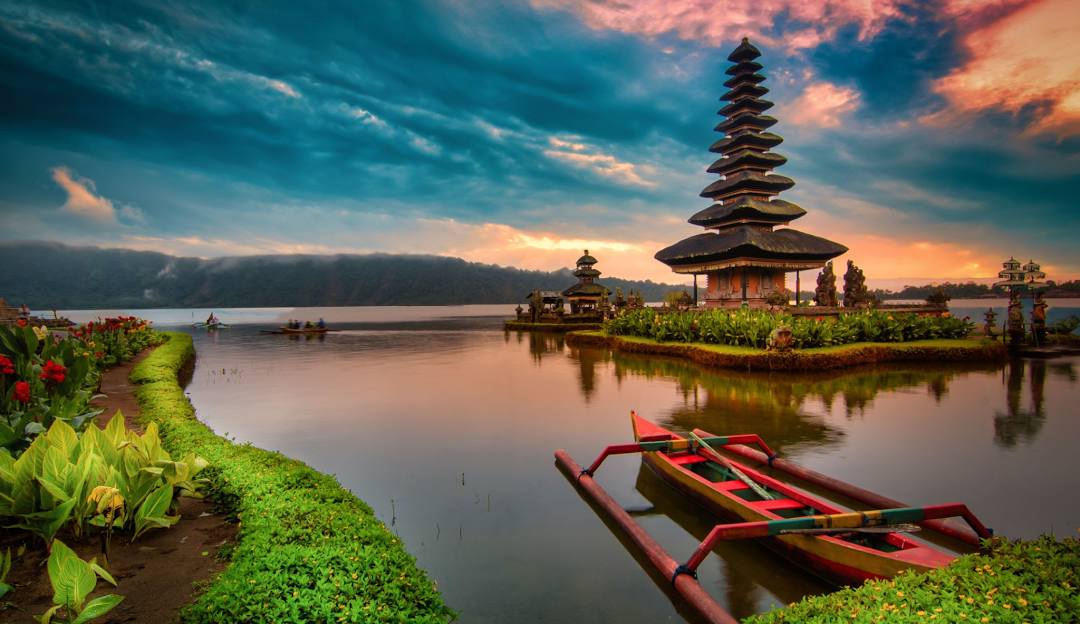
Pandawa Beach, sometimes called Pantai Pandawa, is a gorgeous beach resort on Bali, Indonesia’s southern coast. One of the island’s most stunning beaches, Pandawa Beach is tucked away behind limestone cliffs and features immaculate white sands, crystal-clear turquoise waters, and spectacular coastal scenery. Once a secret gem only known to locals, Pandawa Beach was named after the five fabled Pandawa brothers from the Hindu epic Mahabharata. But in recent years, travelers looking for a more peaceful option to Bali’s busy beaches have come to like it.


Yemen

Yemen’s Socotra

The Indian Ocean archipelago of Socotra is situated roughly 240 miles (380 kilometers) south of the Arabian Peninsula. Because of its remarkable variety and distinctive ecosystems, it is frequently referred to as the “Galapagos of the Indian Ocean.” Numerous endemic species can be found throughout the archipelago, such as the well-known Dragon’s Blood Tree (Dracaena cinnabari), which is exclusive to Socotra and the adjacent islands.

Turkey

Turkey’s Cappadocia

Central Turkey’s Cappadocia is an area renowned for its surreal scenery, extensive history, and distinctive cultural legacy. It is well-known for its bizarre rock formations, which date back millions of years, as well as its fairy chimneys and underground civilizations created by erosion and volcanic eruptions. There are numerous historic rock-cut churches, cave homes, and cone-shaped rock formations scattered over the area, which all combine to create an ethereal and enchanting environment.

India

India’s Maharashtra

Situated in western India, Maharashtra is a vibrant and varied state. It is the second most populated and third-largest state in terms of area in India. To the west lies the Arabian Sea; to the northwest is Gujarat; to the north is Madhya Pradesh; to the east is Chhattisgarh; to the southeast is Telangana; to the south is Karnataka; and to the southwest is Goa.

Switzerland

Switzerland’s Aare Gorge

The Bernese Oberland region of Switzerland is home to the breathtaking natural wonder known as the Aare Gorge, or Aareschlucht in German. It is located in the Bernese Oberland, close to the town of Meiringen, some 80 kilometers (50 miles) southeast of Bern, the capital of Switzerland. By bus, train, or automobile, it is well located. The Aare River’s erosive forces produced a narrow, deep canyon with towering cliffs on either side as it cut through the region’s limestone rocks over millions of years, forming the Aare Gorge. The gorge is 180 meters (590 feet) deep in some parts and 1.4 kilometers (0.9 miles) long.

France’s Aravis Mountains

Situated in the French Alps, the breathtaking Aravis Range spans the Haute-Savoie and Savoie areas in southeast France. Located roughly between the cities of Annecy to the west and Albertville to the east, it is situated in the northern French Alps. It is a portion of the wider Graian Alps, which reach into Switzerland and adjacent Italy. Rugged peaks, alpine meadows, deep valleys, and charming settlements define the Aravis Range. The Pointe Percée, which is 2,750 meters (9,022 ft) above sea level, is the range’s highest summit.

USA

Florida’s Emerald Coast

A section of the Florida Panhandle’s shoreline known as the “Emerald Coast” is renowned for its breathtakingly beautiful emerald-green waves, powder-soft white sand beaches, and quaint seaside towns. It includes Okaloosa, Walton, and Bay counties, among other coastal counties along the Florida Panhandle. It runs from Pensacola in the west to Panama City Beach in the east, passing through well-known locations like South Walton, Destin, and Fort Walton Beach.

Florida’s Miami Beach

Situated in southeast Florida, Miami Beach is a globally recognized seaside city that is renowned for its exuberant culture, breathtaking beaches, and energetic ambience. It is located directly across Biscayne Bay from the city of Miami, on a barrier island between Biscayne Bay and the Atlantic Ocean. Numerous causeways and bridges link the city to the mainland. Miles down the coastline, Miami Beach is known for its immaculate sandy beaches. Specifically, South Beach is well-known for its blue waves, white sand, and lively promenade that is dotted with colorful lifeguard towers, art deco buildings, and palm palms.

USA’s Washington, D.C.

The capital city of the United States is Washington, D.C., also just called Washington. It is situated between the states of Maryland and Virginia along the Potomac River on the east coast of the United States. Virginia borders it to the southwest and the states of Maryland to the northwest, northeast, and southeast. The United States federal government is headquartered in Washington, D.C. The three branches of the US government are housed there: the Judicial Branch, which includes the Supreme Court, the Legislative Branch, which includes the US Capitol and Congress, and the Executive Branch, which includes the White House and executive departments.

California’s Santa Monica

Santa Monica is a stunning beach city in California’s Los Angeles County. Situated on the Pacific coast, it is bounded to the east by Los Angeles and to the west by the Pacific Ocean. It is conveniently accessible from the city and other surrounding attractions, being roughly 16 miles (26 kilometers) west of downtown Los Angeles. The enormous Santa Monica Beach and the well-known Santa Monica Pier are only two of the breathtaking beaches that make Santa Monica famous. Swimming, tanning, beach volleyball, and leisurely walks along the sandy shoreline are all possible in the beachside area.

Morocco

Morocco’s Marrakech

At the base of the Atlas Mountains in western Morocco is the energetic and historic city of Marrakech. The ancient medina of Marrakech, a UNESCO World Heritage Site, is the city’s center. The medina is an intricate web of tiny lanes, alleys, and crowded marketplaces (souqs) brimming with vendors offering anything from jewelry and handicrafts to spices and textiles. The medina’s historic architecture, which includes its recognizable red sandstone structures and elaborate riads (traditional Moroccan homes), is open to visitors.

Germany

Germany’s Brocken Railway

Germany’s Harz Mountains are home to the ancient Brocken Railway, also known as the Brockenbahn. It connects the village of Wernigerode with the summit of the Brocken, the highest peak in the Harz Mountains, and passes through the central German Harz National Park. The railroad is a component of the network of Harz Narrow Gauge Railways, which also consists of a number of other old steam-powered railroads in the area.

Canada

The Rockies of Canada

In western Canada, the provinces of British Columbia and Alberta are home to the magnificent Canadian Rockies mountain range. Their breathtaking landscapes, which feature tall peaks, lakes fed by glaciers, verdant woods, and tumbling waterfalls, are well known. Worldwide outdoor enthusiasts, photographers, and environment lovers are drawn to the untamed splendor of the mountains.

Canada’s Kananaskis

The breathtaking wilderness area known as Kananaskis Country is situated in Alberta, Canada’s Canadian Rockies. It is located about an hour west of Calgary in the foothills of the Canadian Rockies. Mountains, woods, rivers, and alpine meadows are all part of the unspoiled wilderness that spans more than 4,000 square kilometers (1,500 square miles). With some of the most stunning scenery in the Canadian Rockies, Kananaskis Country is a breathtaking wilderness location that provides countless options for exploration, adventure, and leisure.

Canada’s Rawson Lake

In Kananaskis Country, Alberta, Canada’s Peter Lougheed Provincial Park is home to the breathtaking alpine lake known as Rawson Lake. Located in the center of the Canadian Rockies, it is roughly 130 kilometers (80 miles) southwest of Calgary and 15 kilometers (9 miles) south of the town of Canmore. The Rawson Lake Trail, which begins at the Upper Kananaskis Lake day-use area, leads to it.

Canada’s Niagara Falls

Situated on the boundary between Ontario, Canada, and New York, the United States, Niagara Falls is one of the most famous natural wonders in the entire world. The Niagara River, which empties Lake Erie into Lake Ontario, runs through the location. The majority of the falls are on the Canadian side of the international boundary that separates the United States and Canada. The Horseshoe Falls (sometimes called the Canadian Falls), the American Falls, and the Bridal Veil Falls are the three distinct waterfalls that make up Niagara Falls.

Canada’s Marble Canyon

Located in British Columbia, Canada’s Kootenay National Park, Marble Canyon is a breathtaking geological structure. It is located in southeast British Columbia’s Kootenay National Park, in the heart of the Canadian Rockies. The distance is roughly three hours by car west of Calgary and ninety minutes west of the Albertan town of Banff. Marble Canyon is known for its untamed landscape, turquoise-colored streams, and sheer limestone cliffs. The Vermilion River’s erosive forces sculpted the canyon over thousands of years, cutting steep ravines and narrow gorges through the fragile limestone bedrock.

Canada’s Fraser River Lodge

Nestled along the banks of the Fraser River, British Columbia, Canada is home to the opulent wilderness lodge known as Fraser River Lodge. Located in Agassiz, British Columbia, it takes around 90 minutes to get there from Vancouver. The Fraser River and the surrounding mountains are visible from the lodge, which is situated in a lovely area among the Fraser Valley’s breathtaking natural settings. The Fraser River Lodge is located in the beautiful Fraser Valley of British Columbia and provides an opulent wilderness experience. Whether taking in the gorgeous surroundings, going fishing on the river, or just lounging around in comfort, visitors may have an unforgettable and revitalizing stay at this lovely getaway.

Italy

Italy’s POSITANO

Situated in southern Italy on the Amalfi Coast is the charming seaside town of Positano. It is perched above the Tyrrhenian Sea on the craggy cliffs of the Amalfi Coast. It lies about 60 kilometers (37 miles) southeast of Naples in the southern Italian province of Campania. Positano is well known for its breathtakingly beautiful surroundings, where pastel-colored buildings tumble down sheer cliff faces toward the sea. Photographers and artists frequent the town because of its stunning vistas of the Mediterranean’s azure waters, its towering cliffs, and its verdant surroundings.

Italy’s Venice

Often called the “City of Canals” or the “Floating City,” Venice is one of the most famous and romantic travel destinations worldwide. Venice, an Italian city in the northeast, is constructed on 118 little islands connected by bridges and divided by canals. It is a well-liked tourist destination and a UNESCO World Heritage Site because of its distinctive urban design, extensive history, and artistic legacy. St. Mark’s Square, the Doge’s Palace, and the Grand Canal are just a few of the city’s breathtaking architectural attractions.

It is also well-known for its charming canals and graceful bridges. Discover the atmosphere of Venice’s historic neighborhoods and unearth hidden gems around every corner as you explore the city’s winding alleyways on foot or by gondola.

Italy’s Pragser Wildsee

The Pragser Wildsee, sometimes referred to as Lake Prags or Lake Braies, is a breathtaking alpine lake found in northern Italy’s Dolomites. Nestled amidst high peaks, deep forests, and lush meadows, the lake is situated within the Prags Valley (Val di Braies) in the South Tyrol region, offering an incredibly picturesque natural backdrop.

Renowned for its glistening turquoise waters that mirror the surrounding mountains, the Pragser Wildsee draws tourists from all over the world with its idyllic setting. The lake is well-liked by both nature enthusiasts and photographers since it is encircled by hiking trails that provide expansive views of the surrounding terrain.

Argentina

Argentina’s Caviahue Waterfalls

A stunning natural landmark, Caviahue Waterfalls is situated close to the town of Caviahue in the Argentine state of Neuquén. These waterfalls, which are recognized for their beauty and serenity, are a picturesque feature of the Andes Mountains. The waterfalls create a stunning landscape that draws tourists from near and far as they tumble down rocky cliffs encircled by lush greenery.

Waterfalls at Iguazu, Argentina

One of the most breathtaking natural wonders in the world is the Iguazu Falls, which are situated on the border between Brazil and Argentina. The Iguazu River forms this magnificent sequence of waterfalls as it tumbles over a number of sheer cliffs, producing a stunning display of mist, rainbows, and thundering water. Nestled amidst the verdant subtropical rainforests of Iguazu National Park, the falls boast an abundance of varied flora and fauna.The Devil’s Throat (Garganta del Diablo), the most well-known portion of the Iguazu Falls, is where the majority of the river’s flow plunges into a narrow gap, producing a continual mist that rises far into the air and an audible roar.

Argentina’s Talampaya

The UNESCO-designated Talampaya National Park is situated in Argentina’s La Rioja Province. It is well-known for its breathtaking geological formations, prehistoric rock art, and varied animals, which makes it a must-visit location for both adventurers and nature lovers. The park is known for its striking red sandstone cliffs, which have been shaped by water and wind erosion over millions of years. The park’s untamed landscapes are dramatically framed by these hundreds-meter-tall cliffs. The “Cathedral,” a soaring rock formation that resembles the inside of a Gothic cathedral, is one of Talampaya’s most recognizable characteristics. The “Monk,” the “Tower,” and the “Frias,” each with their own distinctive geological formations and breath-taking views, are other noteworthy attractions.

Brazil

CACHOEIRA FUMACA

One of Brazil’s most stunning natural wonders is Cachoeira da Fumaça, or “Smoke Waterfall” in English. It is situated in the Brazilian state of Bahia, in the Chapada Diamantina National Park. The park is renowned for its breathtaking vistas, which include craggy mountains, deep valleys, and tumbling waterfalls. Cachoeira da Fumaça is well known for its remarkable height, reaching a height of roughly 1,247 feet (380 meters). It is the tallest waterfall in the Chapada Diamantina region and among the highest in all of Brazil.

Brazil’s Rio de Janeiro

Rio de Janeiro, also just Rio, is one of the most famous and energetic cities in Brazil. Situated on Brazil’s southeast coast, the area is encircled by beautiful mountains, such as the famed Sugarloaf Mountain (Pão de Açúcar) and Corcovado Peak, which is home to the well-known Christ the Redeemer monument. To the east lies the Atlantic Ocean. Rio de Janeiro is well known for its breathtaking natural beauty, which includes miles of powder-soft beaches, lush rainforests, and striking alpine vistas. The most well-known beaches in the city are Ipanema and Copacabana, which are great for swimming, beach sports, and tanning.

Brazil’s Lagoa Cristalina

“Crystal Lagoon” or “Lagoa Cristalina” in English refers to a group of crystal-clear lagoons found in Brazil. The Lagoa Azul, or Blue Lagoon, in the state of Mato Grosso do Sul’s city of Bonito, is one particularly well-known example. It is distinguished for its unusually transparent and clean waters, which make it possible to see the lake bed and any submerged aquatic life. The absence of silt, algae, or toxins in the water is frequently the cause of this clarity, which gives the water a captivating blue color.

Brazil’s Praia Grande

Brazilian state of São Paulo is home to the coastal city of Praia Grande, which means “Big Beach” in English. Situated on the São Paulo coast, it is roughly 70 kilometers (43 miles) southeast of the city. It is a component of the Baixada Santista metropolitan region, which is also home to well-known beach towns like Guarujá and Santos. The beaches at Praia Grande extend over 22 kilometers (14 miles) along the coast. The city is home to several beaches, including as Praia da Vila Tupi, Praia Grande, Praia do Boqueirão, and Praia do Forte. Swimming, tanning, beach sports, and leisurely strolls down the sand are all popular activities on these beaches.

Brazil’s Lencois Maranhao

Wide stretches of sand dunes and freshwater lagoons define the spectacular natural marvel that is Lençóis Maranhenses, which is situated in the Brazilian state of Maranhão. The magnificent scenery of rolling sand dunes in Lençóis Maranhenses National Park, which can reach heights of up to 40 meters (130 feet), is well-known. Water accumulates in the low-lying sections between the dunes during the rainy season, creating crystal-clear freshwater lagoons that are scattered across these dunes.

Brazil’s Boitava Sao Paula

Brazil’s São Paulo state contains the city of Boituva. It is located about 116 kilometers (72 miles) west of the metropolis of São Paulo in the interior of the state. It is included in the metropolitan area of Sorocaba. Boituva is a quaint city with a distinct charm that offers chances for thrill-seekers to have heart-pounding experiences as well as to fully appreciate the beauty of Brazil’s countryside. Travelers to Boituva are guaranteed an amazing experience, whether they choose to go skydiving, explore the local food, or explore the surrounding area.

Brazil’s Criuva Caxias do Sul

Situated in the state of Rio Grande do Sul in southern Brazil, the municipality of Caxias do Sul contains the district known as Criúva. It is situated in the Serra Gaúcha region, which is renowned for its lush vineyards, gorgeous scenes, and quaint small towns. About 15 kilometers (9 miles) northeast of Caxias do Sul’s downtown is where it is located. Criúva, with its rolling hills, verdant pastures, and meandering country lanes, still has a lot of its rustic appeal. With orchards and vineyards all around, the neighborhood is a great place for anyone looking for a quiet getaway in the middle of the outdoors.

Bangladesh

Bangladesh’s Sajek Valley

Sajek Valley is a charming location close to Bangladesh’s Indian border, in the Chittagong Hill Tracts. It’s well-known for its breathtaking natural beauty, verdant hills, and tranquil atmosphere, which makes it a well-liked retreat for adventure seekers and nature lovers. The valley provides sweeping views of the surrounding hills and valleys from its elevation of around 1,800 feet (550 meters) above sea level. Activities available to visitors to Sajek Valley include trekking, hiking, and jeep or foot exploration of the breathtaking scenery.

Jordan

Jordanian Petra

Southern Jordan is home to the ancient city of Petra, which is well-known for both its historical significance and its stunning rock-cut architecture. Once the capital of the Nabatean Kingdom, Petra was a key commerce station along the ancient caravan routes and was carved into the rose-red rocks of the Wadi Musa valley. The Treasury (Al-Khazneh), a spectacular temple cut into the sandstone cliffs and embellished with elaborate façade and artistic embellishments, is the most famous building in Petra. The Monastery (Ad Deir), the Royal Tombs, and the Roman Theater are a few other noteworthy sites that highlight the architectural and cultural heritage of the ancient Nabateans.

Jordan’s Rose City

The ancient city of Petra, which is situated in southern Jordan, is referred to as the “Rose City”. The rose-red sandstone cliffs that encircle the archaeological site are the source of this nickname. The Nabatean Kingdom, a prosperous civilization that thrived from the first century CE to the fourth century BCE, with Petra as its capital. Famous for its exquisite rock-cut architecture, the city features elaborate temples, tombs, and other constructions etched straight into the sandstone cliffs.

The Treasury (Al-Khazneh), a stunning temple facade that welcomes guests as they emerge from the small siq (canyon) heading into the city, is the most famous building in Petra. The Monastery (Ad Deir), the Royal Tombs, and the Roman Theater are a few other noteworthy sites that highlight the architectural and cultural heritage of the ancient Nabateans.

Maldives

Maldives’ Soneva Jani

The Maldivian luxury resort Soneva Jani is well-known for its unmatched beauty, environmentally conscious philosophy, and opulent overwater villas. Soneva Jani is a private, opulent resort located in the pristine Noonu Atoll, surrounded by white sand beaches and dazzling blue waters. Beautiful overwater villas with private pools and direct access to the Indian Ocean are the resort’s distinguishing feature. Immerse yourself in the natural beauty of the Maldives from the comfort of your opulent villa with these roomy, stylishly furnished villas that give stunning views of the surrounding lagoon.

Starry Sea, Maldives

In the Maldives, bioluminescent phytoplankton produces a captivating natural light display known as the “Ocean of Stars” phenomenon. When disturbed, these microscopic creatures—known as dinoflagellates—emit a blue-green glow that produces an amazing sight that resembles a starry night sky reflected in the sea. In the summer, when the conditions are ideal for viewing, calm, moonless nights are when the bioluminescent plankton are most frequently seen in some parts of the Maldives. Swimming in the warm, shallow seas close to the coast or taking a nocturnal boat tour are two ways that visitors to the Maldives might see the Ocean of Stars phenomenon.

Thailand

In Thailand, Koh Lao Lading

Off the coast of Krabi province in southern Thailand, Koh Lao Lading—also called Lading Island or Lao Lading Island—is a hidden gem. It is renowned for its immaculate beaches, glistening oceans, and serene environment. It is a part of the breathtaking Andaman Sea archipelago. Compared to other of the more well-known islands in the area, Koh Lao Lading is rather small and underdeveloped, which makes it a great place for those looking for peace and quiet. Surrounded by rich tropical vegetation and high limestone cliffs, the island offers a lovely setting for swimming, snorkeling, and sunbathing.

Conclusion

In conclusion, the most beautiful places in the world offer a breathtaking array of landscapes and experiences that captivate the senses. From the surreal salt flats of Bolivia’s Salar de Uyuni to the historic splendor of Uzbekistan’s Registan Square, and the majestic Rockies of Canada to the tranquil beaches of Thailand’s Koh Lao Lading, each location reveals a unique facet of our planet’s beauty. These extraordinary sites not only highlight the diverse natural wonders and rich cultural heritage found across continents but also invite travelers to explore and appreciate the boundless splendor of the most beautiful places in the world.

Restaurants near tourist places

The Test Kitchen

The Test Kitchen

Located in Cape Town, The Test Kitchen is renowned restaurant in Cape town known for its innovative and experimental cuisine, offering a multi-course tasting menu that showcases Chef Luke Dale-Roberts’ creativity and culinary expertise.

The Test Kitchen: A renowned restaurant in Cape Town

The Test Kitchen, a culinary destination that attracts customers from all over the world with its inventive cuisine, vibrant tastes, and immersive dining experience, is tucked away in the center of Cape Town, South Africa. This well-known eatery, led by Chef Luke Dale-Roberts, has won both Michelin stars and praise from all over the world, solidifying its reputation as a must-visit location for foodies looking for an amazing culinary experience.

A Kitchen Test Facility

As implied by the name, The Test Kitchen is a creative and experimental culinary playground where Chef Luke Dale-Roberts and his staff push the limits of taste, texture, and presentation. With each dish bearing witness to Chef Luke’s unwavering quest of culinary perfection, the restaurant’s constantly changing menu reflects his insatiable curiosity and love for innovation.

A multi-course tasting menu that explores a wide range of flavors and cooking methods is served to guests at The Test Kitchen. Every dish, from light seafood to substantial meat-based entrees, is painstakingly prepared to highlight the best available seasonal ingredients as well as the chef’s unmatched talent and artistry.

A Delight for the Eyes

Eating at The Test Kitchen is a multimodal, all-senses experience that goes beyond simply sating hunger. With its open kitchen and cozy eating areas, the restaurant’s sleek and contemporary decor creates the ideal environment for an amazing gastronomic adventure.

Visitors are exposed to a symphony of flavors, scents, and textures that dance over the tongue as they are led through the tasting menu. Every meal is a revelation from the very first bite to the very last—a masterful fusion of creativity and workmanship that makes an enduring impact.

Novel Approaches, Classic Tastes

Though The Test Kitchen is renowned for its cutting-edge approach to cooking, it still honors traditional flavors and methods, taking cues from both international culinary trends and South African recipes. As a result, the menu offers both familiar and unexpected foods that are both inventive and comfortable.

Chef Luke’s distinct vision and culinary philosophy are evident in every dish created at The Test Kitchen, be it a reimagining of a classic or a whimsical take on a childhood favorite. Everything from comfort cuisine prepared slowly to molecular gastronomy can satisfy any palette and dispel any misconceptions.

A Gastronomic Journey

A dinner at The Test Kitchen is more than simply a meal; it’s an exploration of the tastes, textures, and cultures that make up the diverse culinary landscape of South Africa. Every time a customer visits, the restaurant’s ever-changing menu and dedication to using seasonal, sustainable ingredients encourage them to try new things.

The Test Kitchen offers a wine pairing experience in addition to its tasting menu. The wine selections are made by the restaurant’s sommelier to improve and compliment the flavors of each dish. The restaurant’s vast wine list features some of South Africa’s finest vintages, ranging from crisp whites to full-bodied reds, making it the ideal complement to an unforgettable dining experience.

An Outstanding Heritage

The Test Kitchen has won various honors and recognitions since its debut, including commendation from the esteemed Michelin Guide. Diners go from all over the world to Cape Town to enjoy Chef Luke Dale-Roberts’ culinary magic, since the city has gained a reputation for culinary innovation and brilliance.

In summary, The Test Kitchen is a culinary laboratory where innovation is unrestricted and every meal is an adventure rather than just a restaurant. The Test Kitchen is changing the art of dining one dish at a time by pushing the frontiers of gastronomy with its inventive cuisine, immersive dining experience, and dedication to perfection.

Restaurants near tourist places

Restaurant Mosaic at The Orient

Restaurant Mosaic at The Orient

Found in Elandsfontein, Pretoria, Restaurant Mosaic at The Orient offers a dining experience characterized by elegance and sophistication. Chef Chantel Dartnall’s culinary creations draw inspiration from nature and are presented with artistic flair.

Restaurant Mosaic: Where Culinary Artistry Meets Timeless Elegance

Nestled in the enchanting Elandsfontein countryside of Pretoria, South Africa, Restaurant Mosaic at The Orient stands as a culinary sanctuary, captivating diners with its exquisite cuisine, opulent surroundings, and unwavering commitment to culinary excellence. Restaurant Mosaic is one of the most prestigious fine dining restaurants in the nation because of its blend of French-inspired cuisine, South African flavors, and flawless service. It provides patrons with an opulent and unique dining experience.

An Elegant Vision

From the minute guests enter, Restaurant Mosaic at The Orient, surrounded by lush gardens, peaceful water features, and towering architecture, is a vision of elegance and refinement. The restaurant’s grand entrance, with its sweeping staircase, ornate chandeliers, and intricate detailing, sets the stage for an unforgettable dining experience that is as visually stunning as it is delicious.

Guests are welcomed with warm hospitality and ushered into the restaurant’s elegant dining room, where soft lighting, plush furnishings, and tasteful decor create an atmosphere of sophistication and romance. Every area of Restaurant Mosaic enables patrons to unwind and savor life’s finer things, whether they’re dining inside or outside on the terrace with views of the serene surroundings.

An Exhibition of Artistry

The menu is the focal point of Restaurant Mosaic and represents its culinary masterpiece. Under the direction of Executive Chef Chantel Dartnall, the restaurant’s gifted culinary team creates meals that highlight the best seasonal ingredients and the chef’s inventive vision, making them as beautiful as they are tasty. Restaurant Mosaic’s menu is a celebration of creativity, taste, and imagination, inspired by Chef Chantel’s global travels and the abundant landscapes of South Africa.

Every meal is a precisely created culinary masterpiece that awakens the senses and stimulates the tongue. Every dish, from elegant amuse-Bouches to rich desserts, showcases Chef Chantel’s love of detail and dedication to pushing the frontiers of cuisine. Dining at Restaurant Mosaic is an adventure of delight and discovery, with flavors that are both robust and nuanced, textures that are both delicate and sumptuous, and presentations that are both exquisite and whimsical.

An Examination of Terroir in South Africa

Restaurant Mosaic honors South Africa’s rich terroir in addition to its French-inspired cuisine, emphasizing locally produced, seasonal ingredients that capture the richness and diversity of the nation’s landscapes. Working directly with regional farmers, producers, and craftsmen, Chef Chantel and her team highlight the finest that South Africa has to offer, from rare herbs and indigenous spices to fresh seafood and organic vegetables.

The restaurant’s tasting menus, which are subject to frequent changes in accordance with the seasons and ingredient availability, take patrons on a gastronomic voyage throughout South Africa’s flavors through dishes that honor the nation’s natural beauty and culinary legacy. Every dish at Restaurant Mosaic conveys a tale of location, time, and tradition—whether it’s a tender lamb dish influenced by the Karoo, a delicate seafood masterpiece inspired by the Atlantic coast, or a colorful salad bursting with colors from the Highveld.

A Haven for Wine Enthusiasts

A trip to Restaurant Mosaic wouldn’t be complete without perusing their vast wine list, which features worldwide selections from the most known wine areas in the world in addition to some of the best vintages from South Africa. Sommeliers at the restaurant are available to help patrons navigate the extensive and varied wine list and provide knowledgeable suggestions and pairings to improve the dining experience and go well with each meal.

Restaurant Mosaic makes sure that every visitor finds the ideal complement to their meal by providing a carefully chosen selection of specialty cocktails, premium spirits, and non-alcoholic beverages in addition to its outstanding wine selection. Discover the world of wine in a sophisticated and welcoming atmosphere at Restaurant Mosaic, whether you’re a casual lover or a connoisseur.

An Outstanding Heritage

Since its opening, The Orient’s Restaurant Mosaic has received praise and awards from both customers and reviewers, and it has been recognized by esteemed organizations like The World’s 50 Best Restaurants and the Michelin Guide. Diners travel from all over the world to Pretoria to experience Chef Chantel Dartnall’s culinary magic firsthand because of its stellar reputation for culinary excellence, flawless service, and stunning surroundings.

In summary

The Orient’s Restaurant Mosaic is more than simply a dining establishment; it’s a gourmet haven where patrons may indulge in the extraordinary while escaping the everyday. Restaurant Mosaic welcomes guests to join it on a gastronomic adventure that honors the beauty and abundance of South Africa’s landscapes and customs with its superb cuisine, sumptuous surroundings, and friendly service.

Restaurants near tourist places

La Brasserie

La Brasserie restaurant

Tucked away in the heart of the upscale Tahlia Street in Riyadh, La Brasserie is a monument to sophistication and fine dining. La Brasserie, which has become a gastronomic haven with its exquisite French food, outstanding service, and elegant atmosphere, captivates guests with its charm and attractiveness.

A Sneak Peek at Parisian Style

You are immediately taken to Parisian streets as you enter La Brasserie, where classic elegance and cutting-edge flair coexist. A sense of refinement and sophistication permeates the restaurant’s stylish decor, which feature Art Deco highlights, soft lighting, and luxurious furnishings. La Brasserie is a place where you can relax and enjoy the better things in life, whether you’re sat at a sleek marble table or a comfy banquette.

Everything about the eating experience is well-thought-out, from the expertly arranged tables to the careful treatment offered by the workers. In this gastronomic sanctuary, you are welcomed with a warm grin and treated like a valued guest, regardless of whether you are a frequent customer or a first-time visitor.

A Harmony of French Tastes

The menu is La Brasserie’s culinary masterpiece and its central component. The chefs at La Brasserie have created a menu that features the best ingredients and the best craftsmanship, with inspiration drawn from France’s rich culinary history.

Start your meal with traditional French appetizers like Soupe à Loignon Gratinée or Escargots de Bourgogne, which are both elegantly prepared and overflowing with flavor. Savor delicate slices of coq au vin or steak au poivre for the main course, together with a variety of seasonal vegetables and rich sauces. Each dish is a creative and skillfully crafted celebration of French cuisine.

A Gastronomic Journey

La Brasserie provides a Chef’s Table experience for those looking for a more hands-on dining experience. Here, patrons can savor a customized tasting menu created by the chef himself. Every dish, from the most exquisite foie gras to delicate soufflés, is a culinary work of art that highlights the chef’s talent and inventiveness.

La Brasserie offers à la carte dining as well as themed dinners and special events that let patrons experience many facets of French food and culture. These events provide a chance to savor French cuisine in a cozy and joyous atmosphere, whether it’s a wine pairing meal showcasing the best French vintages or a celebration of local specialties.

A Salutation to Seasonal Flavors

La Brasserie is committed to using only the best seasonal foods that are purchased from local sources whenever feasible, with a strong emphasis on quality and freshness. Every dish, from the freshest fish of the day to the ripest heirloom tomatoes, is prepared with care and attention to detail, guaranteeing each visitor an unmatched dining experience.

With meals that showcase the abundance of each harvest, the restaurant’s constantly rotating menu mirrors the cycles of the seasons. Every dish at La Brasserie is a celebration of the natural flavors and textures of the ingredients, whether it’s a summer salad bursting with color or a deep winter stew that warms the soul.

An Outstanding Heritage

La Brasserie has established itself as one of Riyadh’s top eating spots with the praise and awards it has received from both customers and reviewers since its opening. Whether you’re visiting La Brasserie for a special occasion or just in the mood for some French cuisine, you can be sure that your visit will leave a lasting impression that will be remembered long after the last bite has been enjoyed.

In summary, La Brasserie is more than simply a restaurant; it’s a gastronomic sanctuary—a safe haven where visitors can unwind and savor the classic delights of French cuisine while escaping the bustle of the city. In the center of Riyadh, La Brasserie offers guests to experience the very best of French cuisine, great service, and an elegant setting, all while fostering lifelong memories.

Located on the upscale Tahlia Street in Riyadh, La Brasserie is a French-inspired eatery renowned for its exquisite French food and sophisticated atmosphere. La Brasserie provides a sophisticated fine dining experience with a menu that features both traditional French fare and creative ideas.

Restaurants near tourist places