
30 seconds summary
- Staying organized on the go helps food enthusiasts enjoy spontaneous eating adventures without the stress. Keep a ready “food kit” with napkins, wipes, utensils, and a small container for leftovers. Use a two-zone bag setup, quick-access items like wallet and sanitizer up top, and food gear in the main section.
- Protect fragile foods with rigid containers and keep perishables safe with an insulated tote and ice pack. Organize digitally by saving spots in map lists and jotting quick notes about what you ordered.
- Pack a couple emergency snacks, bring a sustainable bag for market runs, and do a quick reset at home so you’re always ready for the next food stop.
Staying organized on the go can be the difference between a smooth, delicious day and one spent scrambling for napkins, losing reservation details, or watching your still-warm pastries get squished in the bottom of a backpack. For food enthusiasts, people who plan weekends around farmers’ markets, carry snacks “just in case,” and can’t walk past a new coffee shop without stepping inside, organization isn’t about being rigid. It’s about making space for spontaneity while keeping your essentials protected, fresh, and easy to access.
Below are practical, travel-friendly tips to help you stay organized wherever your appetite takes you, whether that’s a street-food crawl, a picnic in the park, a day trip to a small town bakery, or a multi-stop grocery run after work.
Build a “food adventure kit” and keep it ready
One of the simplest ways to stay organized is to stop rebuilding your setup from scratch each time you leave the house. Create a small, dedicated kit that lives near the door (or in your day bag) so you can grab it and go.
A solid food adventure kit might include:
- A few napkins or a small pack of tissues
- Wet wipes or hand sanitizer
- A compact multi-tool or a small folding knife (where legal and appropriate)
- A reusable spork or chopsticks
- A small container or silicone zip pouch for leftovers
- A couple of rubber bands or bag clips (shockingly useful for sealing snack bags)
- A pen (for notes, tasting impressions, or market prices)
- A few condiment packets you actually like (hot sauce fans, you know)
Keep it small. The goal isn’t to lug a kitchen around, it’s to prevent minor inconveniences from disrupting your plans.
Use the “two-zone” bag method: quick access vs. deep storage
Food outings have a lot of “I need that right now” moments: your payment method at the register, your phone for a quick photo, or a napkin the second a sauce starts dripping. If everything is in one chaotic compartment, you’ll end up digging around while balancing a drink and a bag of pastries.
Try dividing your bag into two zones:
Quick-access zone (front pocket or top pouch):
- Wallet or card holder
- Phone
- Keys
- Hand sanitizer/wipes
- Lip balm
- A couple napkins
Deep-storage zone (main compartment):
- Containers
- Utensils
- Water bottle
- Snacks
- Tasting notebook
- Market finds
If your bag doesn’t have many pockets, use pouches: one “grab fast” pouch and one “later” pouch. This is the organization hack that feels almost too simple, until you realize you’re no longer unpacking your entire life on a café counter.
Plan for food safety, especially with perishable finds
Food enthusiasts often buy things that don’t love sitting in a warm car: cheese, seafood, deli meats, fresh pasta, pastries filled with cream, or anything chocolate on a sunny day. Staying organized includes keeping food safe (and tasty).
A few easy upgrades:
- Insulated lunch tote inside your main bag for sensitive items
- Ice pack (slim ones fit easily; freeze it the night before)
- Separate containers for hot vs. cold foods so temperature doesn’t suffer
- A “no-crush” section (more on this below) for delicate baked goods
If you’re doing a long market run, make cold purchases last. Buy shelf-stable items first (bread, jam, dried pasta), then refrigerated items near the end.
Protect delicate foods with a “no-crush” strategy
Nothing ruins a good mood like opening your bag to find a smashed tart, a flattened croissant, or berries turned into jam. Create a consistent system for fragile items.
Options that work well:
- A rigid container specifically for pastries or berries
- A small box (some bakeries will provide one; keep it on top)
- A dedicated “top layer” of your bag that stays empty until you add fragile items
- A separate carry bag for baked goods when you know you’ll be walking a while
A practical trick: carry a lightweight, fold-flat container for emergencies. It takes up almost no space and saves you from pastry heartbreak.
Master digital organization: save, tag, and note as you go
Your phone can be your best organizing tool, if you use it intentionally instead of letting screenshots pile up.
Try this system:
- Maps lists: Create lists like “Want to Try,” “Best Coffee,” “Date Night,” “Markets,” and “Late Night.”
- Notes app templates: Keep a running note called “Food Hits” and log dishes you loved, prices, and what you’d reorder.
- Calendar holds for reservations: Add reservation times with addresses and confirmation numbers in the event description.
- Photo albums: One album for menus, one for dishes, one for receipts (if you track spending).
Extra tip: after you visit a place, add one sentence to your map entry, something like “Get the spicy ramen; go early to avoid the line.” Future-you will feel like a genius.
Keep a “snack strategy” so hunger doesn’t derail your plans
Food lovers are often willing to wait for the best bite, but waiting while hungry is a recipe for impulse decisions (and sometimes grumpiness). A snack strategy keeps you patient and focused.
Think of snacks as tools, not meals:
- A protein bar or nuts for emergency hunger
- A piece of fruit that travels well (apple, orange)
- Crackers for pairing with market cheese
- Mints or gum for palate resets between stops
Organize snacks in one dedicated pocket or pouch so you don’t rummage. If you always keep the same “baseline snack,” you’ll never be caught off guard.
Use containers that stack and nest
If you take leftovers home often (and you should, good food deserves a second act), smart containers make organization effortless.
Look for:
- Stackable shapes (rectangles often pack better than circles)
- Nesting sets that collapse or fit inside each other
- Leak-resistant lids so you can store sauces without fear
- A small jar for dressings or dips
One underrated hero: a wide-mouth container that can hold both dry snacks and messy leftovers. Versatility reduces clutter.
Make sustainability easy, not stressful
Food enthusiasm and sustainability pair naturally: supporting local producers, reducing waste, and choosing reusable items when it’s realistic. Organization helps sustainability stick, because you’re more likely to reuse what you actually remember to bring.
A helpful approach:
- Keep a reusable cutlery set in your bag permanently
- Carry one reusable bottle (refill as you go)
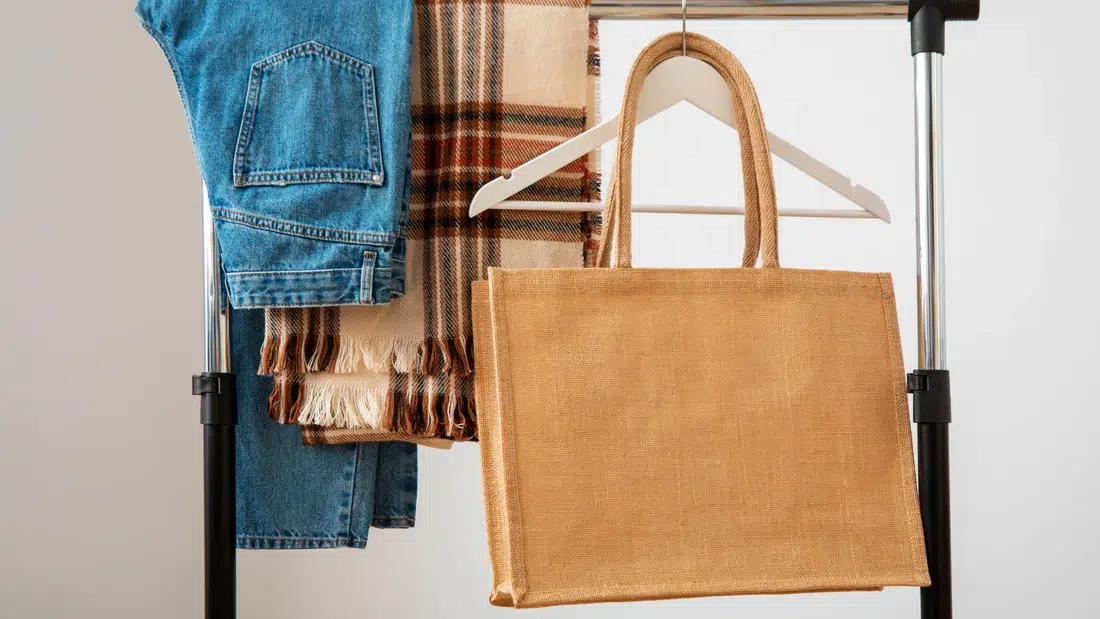
- Bring a sustainable bag for market runs or takeout containers, so you’re not relying on single-use plastics
- Keep one or two reusable produce bags folded into your kit
The key is consistency: choose a few reusable items you genuinely use often, then make them part of your default setup.
Create a “receipt and expense” habit (if you like tracking)
Not everyone wants to track spending, but many food enthusiasts enjoy reflecting on what they tried and what it cost, especially when balancing splurges with everyday meals.
Simple systems:
- Take a photo of receipts and store them in a “Food Receipts” album
- Use a notes app to jot weekly “food highlights” plus rough total spend
- If you travel often, keep a separate note for “Trip Food Budget” and log as you go
The organization benefit isn’t just financial, it’s also memory. When you remember where you had that incredible dumpling place, you’ll probably also remember what else you tried nearby.
Pack for weather and comfort, because comfort is organization
Organization isn’t only about objects; it’s about reducing friction. If you’re uncomfortable, too hot, too cold, soaked from rain, you’ll be less patient, less thoughtful, and more likely to misplace things.
A few small add-ons can save a whole day:
- A compact umbrella or packable rain shell
- Sunglasses (or a hat) for long outdoor lines
- A small microfiber towel (great for rainy seats and surprise spills)
- Layers if you’re going from outside markets to chilly restaurants
Keep these items in the deep-storage zone, so they don’t crowd your essentials.
Use a “pre-leave checklist” that takes 10 seconds
The most organized people aren’t always naturally tidy, they’ve just reduced the number of decisions they make. A quick mental checklist prevents the classic mistakes: forgetting the ice pack, leaving the containers at home, or showing up at a market without your payment method.
Try this 10-second scan:
- Phone
- Wallet/cards
- Keys
- Kit (wipes/napkins/utensils)
- Container (if you expect leftovers)
- Insulated tote + ice pack (if buying perishables)
If you’re heading to a specific event, like a food festival, add one more item: “ticket/QR code.”
Keep “mess management” supplies on hand
Food is joyful, but it can also be messy: drippy tacos, saucy wings, powdered sugar, unexpected spills. Being organized means being ready for the mess so it doesn’t become a crisis.
Bring:
- A couple extra napkins beyond what you think you need
- Wet wipes (especially for outdoor eating)
- A small zip bag for trash or sticky utensils
- A spare mask or cloth (optional, but useful in crowded indoor spots)
This is the kind of organization that feels invisible—until you’re the one calmly fixing a spill while everyone else panics.
Organize your route like a food strategist
If you’re doing multiple stops, market, coffee, bakery, specialty shop, order matters. Think about:
- Temperature: cold items last; hot food should be eaten soon
- Fragility: pastries and berries should be picked up late or carried separately
- Crowds: hit popular spots early to reduce waiting
- Distance: cluster stops so you’re not backtracking with heavy bags
A route plan doesn’t have to be strict. Even choosing “north side first, south side later” can save time and keep your food in better shape.
Build a “taste memory” habit so you don’t forget what you loved
Food enthusiasts often try so many places that memories blur. One week later you might remember “amazing noodles,” but not the name, the street, or what you ordered.
Try one small habit:
After each new place, write three quick notes:
- What you ordered
- What stood out
- What you’d do differently next time
This takes under a minute, but it turns random eating into a personal guidebook. Over time, you’ll build a reliable system for your own preferences.
Create a reset routine when you get home
The final piece of staying organized on the go is what you do when you return. If you dump everything on a chair and walk away, the next outing starts with chaos.
A reset routine can be quick:
- Toss trash and wipe down containers
- Restock napkins/wipes if you used them
- Put the ice pack back in the freezer
- Return utensils to the kit pouch
- Review notes/photos and save anything important (like a new favorite spot)
Even a two-minute reset prevents the “I swear I had chopsticks in here last week” problem.
Conclusion
Staying organized on the go doesn’t mean turning food adventures into a rigid checklist. It means setting yourself up so that the fun parts, discovering new flavors, talking to vendors, photographing the perfect pastry layers, or building a picnic spread, aren’t interrupted by preventable hassles.
Start small: pick one pouch system, add a container, keep wipes handy, and create one map list for places you want to try. Organization compounds. Once your essentials have a home, you’ll spend less energy searching and more energy savoring. And that’s the point, really: making your life easier so your attention can stay where it belongs, on the food.